


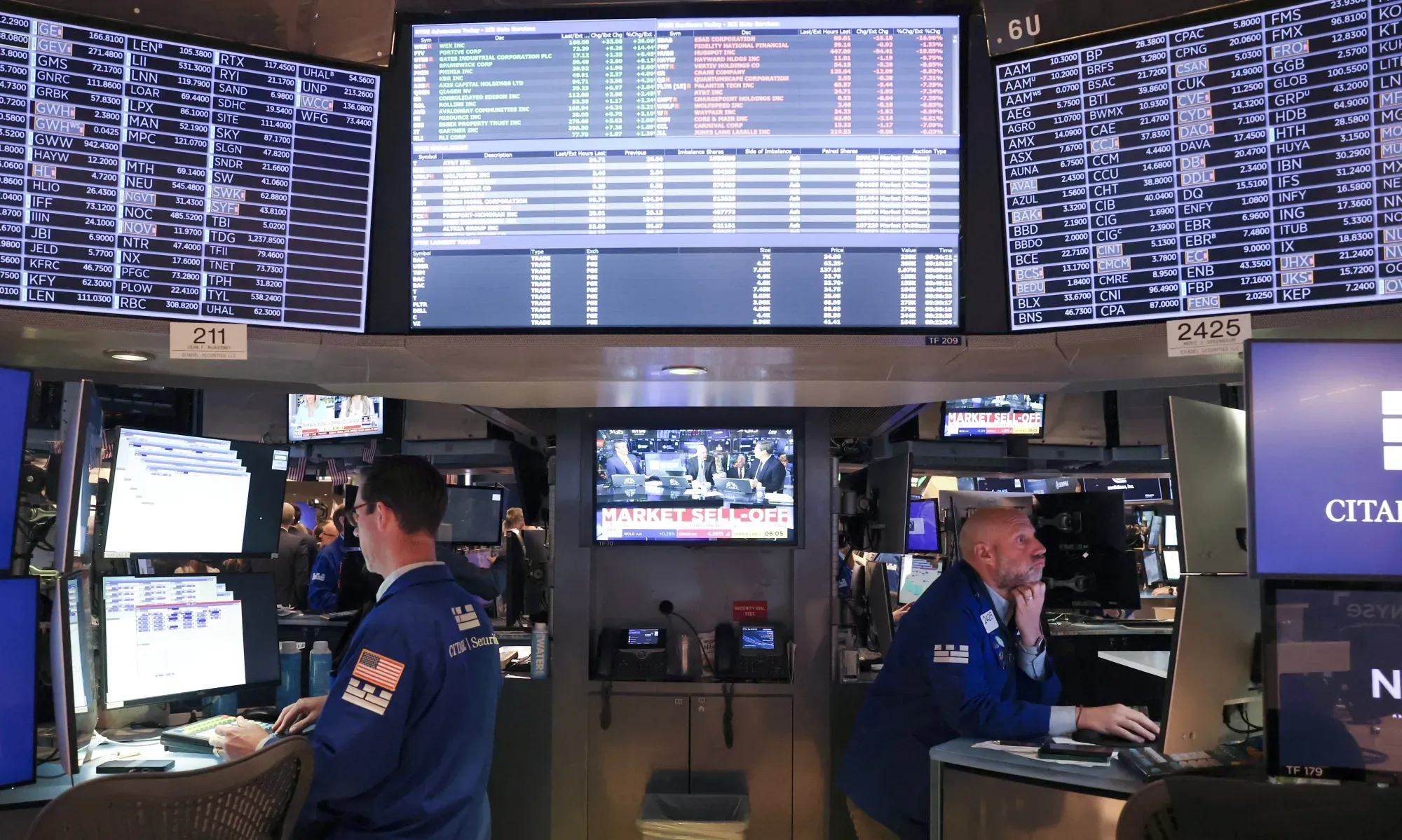
Economists and market watchers are growing increasingly uneasy as stagflation concerns rise, fueled by persistent inflation and a rise in jobless claims. The combination of slowing economic growth and rising prices has heightened fears that the U.S. economy may be entering a challenging period reminiscent of the 1970s.
Inflation continues to outpace wage growth, leaving many households struggling with higher costs for essentials such as food, energy, and housing. At the same time, recent reports indicate an uptick in unemployment claims, suggesting that the labor market may be weakening after years of strong job growth.
Experts explain that stagflation occurs when economic stagnation coincides with high inflation, creating a scenario that is particularly difficult for policymakers to address. Traditional monetary tools, like interest rate hikes, may slow inflation but can also reduce economic growth and increase unemployment. Conversely, stimulating the economy could worsen inflation, creating a delicate balancing act for the Federal Reserve.
Consumer confidence is showing signs of strain. Rising prices have forced many households to cut discretionary spending, affecting sectors such as retail, travel, and entertainment. Businesses are responding by passing costs to consumers or slowing hiring, further contributing to the cycle of economic slowdown.
Energy and food prices remain significant contributors to inflation. Supply chain disruptions, geopolitical tensions, and adverse weather events have kept commodity prices elevated, making it harder for families and businesses to manage expenses. Economists warn that sustained inflation in these key areas could prolong the stagflationary environment.
The labor market, traditionally a source of economic resilience, is showing early signs of stress. Increased jobless claims, coupled with slower hiring, indicate that businesses are becoming cautious amid rising operational costs and uncertain consumer demand. If the trend continues, unemployment may rise further, compounding economic challenges.
Investors are closely monitoring bond and stock markets for signals about the economy’s trajectory. Rising yields and increased volatility reflect concerns about inflation, interest rates, and slowing growth. Analysts note that financial markets are sensitive to stagflationary risks because it complicates forecasting and investment planning.
Government policy responses are also under scrutiny. Fiscal measures, including targeted spending or relief programs, may provide short-term support but risk worsening inflation if not carefully calibrated. The challenge lies in crafting policies that support households and businesses without accelerating price increases.
Historically, periods of stagflation have been difficult to overcome. Policymakers must address multiple, sometimes conflicting economic pressures simultaneously. Experts suggest that a combination of monetary restraint, targeted fiscal support, and structural reforms may be necessary to stabilize the economy and restore growth.
Global factors also influence the U.S. outlook. International trade dynamics, energy supply disruptions, and geopolitical conflicts can exacerbate inflation and slow growth. As the economy becomes increasingly interconnected, domestic stagflation concerns are tied closely to global market conditions.
In conclusion, stagflation concerns rise as inflation persists and jobless claims climb, presenting complex challenges for policymakers, businesses, and households. Navigating this period will require careful economic management, close monitoring of market trends, and targeted interventions to mitigate the impact on everyday life. While the situation is serious, timely and coordinated action can help limit the economic fallout and lay the groundwork for recovery.
