


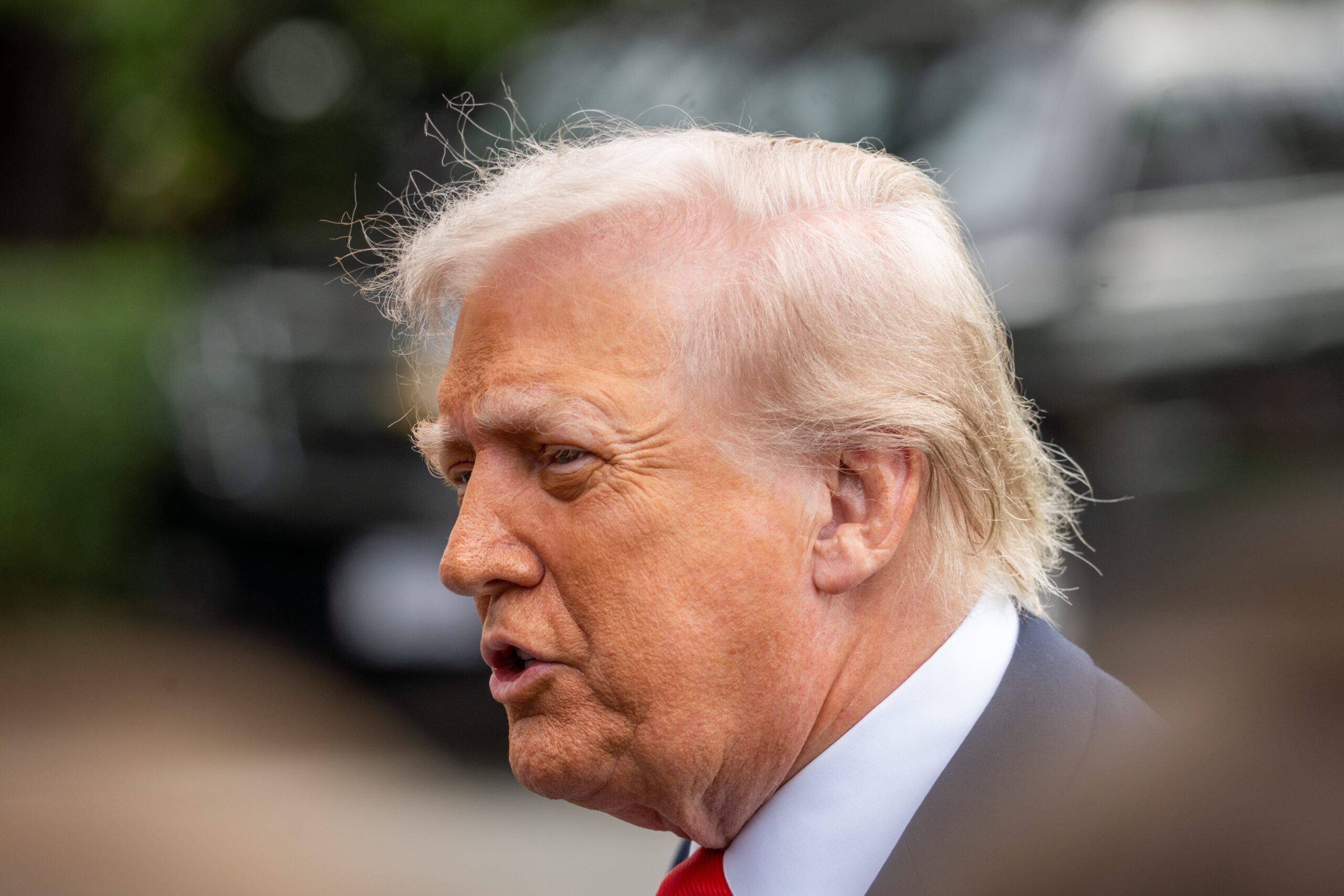
President Trump demanded Attorney General Pam Bondi quickly prosecute figures he labels his enemies.
He cited past impeachments and five indictments “over nothing” as justification for urgent action.
Trump specifically named James Comey, Adam Schiff, and Letitia James, claiming they are “all guilty as hell.”
He told reporters: “They have to act. They have to act fast.”
Sudden Removal of Federal Prosecutor Raises Concerns
Trump ousted Erik Siebert, the U.S. attorney who declined to charge Comey and James.
He nominated Lindsey Halligan, a former insurance lawyer and his personal legal team member, to replace Siebert.
Halligan has no prior prosecutorial experience, prompting questions about Justice Department politicization.
Siebert’s removal sparked concerns over which other U.S. attorneys might face similar pressure.
U.S. Attorneys Face Intense Political Pressure
Officials also pressured Kelly Hayes, U.S. attorney in Maryland, overseeing inquiries into Schiff and John Bolton.
Hayes emphasized she would pursue charges only if evidence justified them, resisting political influence.
Trump’s actions extend his earlier efforts to purge Justice Department and FBI officials linked to cases against him.
Retribution Appears Central to Trump’s Strategy
Trump explicitly seeks payback against critics from his first term, signaling disregard for legal norms.
He stated, “If they’re not guilty, that’s fine. If they should be charged, they should be charged.”
Targeting U.S. attorneys could ease prosecutions of his opponents and influence ongoing federal investigations.
Historical Precedent and Legal Concerns
Previously, political interference in U.S. attorneys’ offices led to scandal under George W. Bush.
Trump’s approach diverges sharply, openly directing the Justice Department to act against personal adversaries.
His moves threaten to undermine the traditional independence of federal prosecutors and the criminal justice system.
