


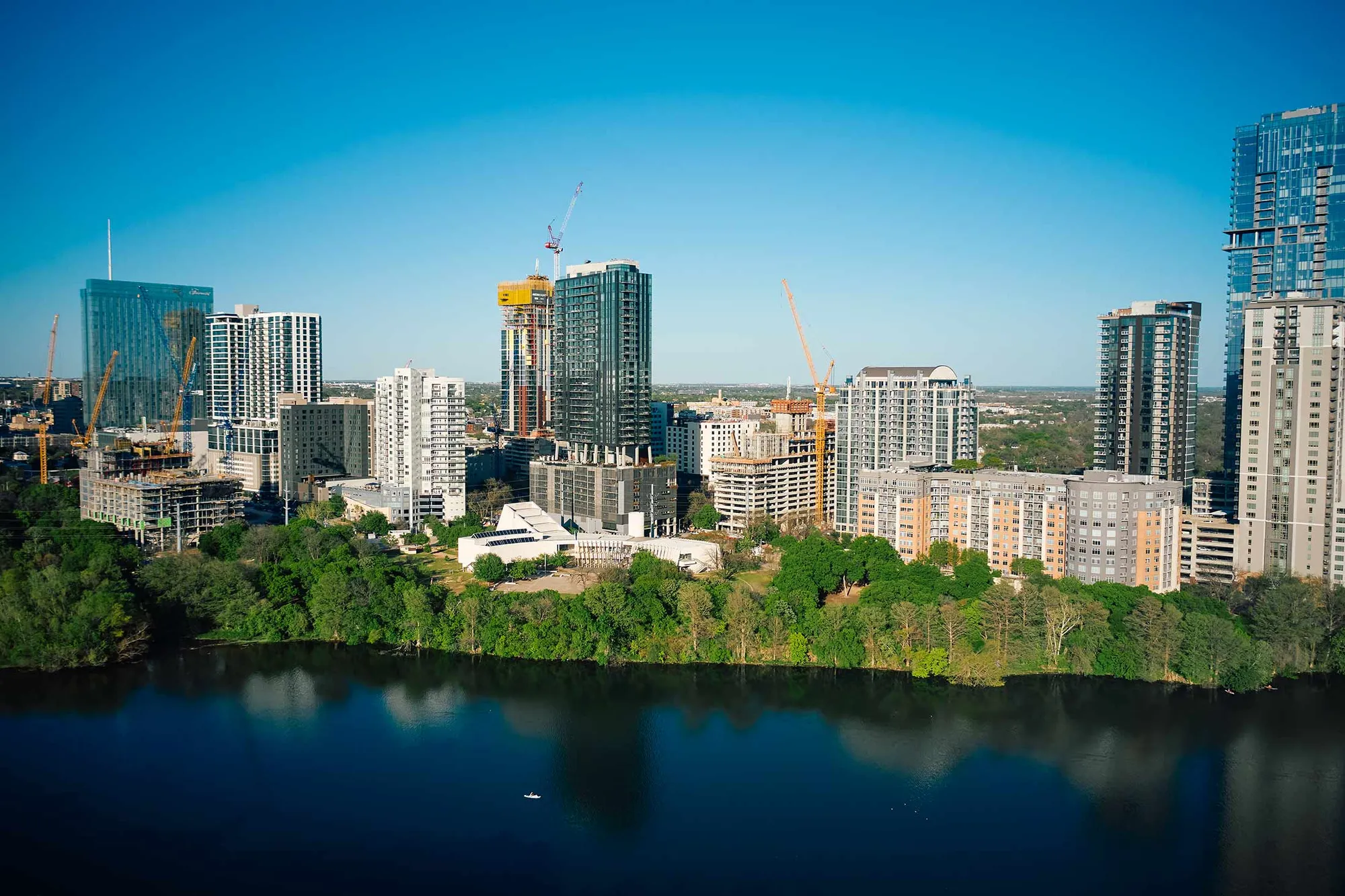
Austin has emerged as the most affordable rental market in the United States. Renters in the city now spend only 16.5% of their income on housing, down from 19.3% last year. Experts attribute this shift to local government policies that encouraged new construction, boosting the supply of rental units.
The increased housing availability has slowed rent growth, making Austin an attractive city for tenants. Analysts say the trend marks a major reversal from the previous years, when rent hikes in the city outpaced income growth.
City officials introduced measures that streamlined construction permits and offered incentives for developers. These steps resulted in a surge of new apartment buildings and rental complexes across Austin. The policies aimed to address the city’s rising housing costs while supporting population growth.
Housing market specialists note that the new supply has eased pressure on the rental market. The ratio of rent to income is now among the lowest in major U.S. cities. This improvement allows residents to spend less on housing and allocate more of their income to other expenses.
Economists point out that affordability is crucial for retaining a skilled workforce. Companies seeking talent often consider the cost of living when deciding where to expand or relocate. By reducing the rent burden, Austin strengthens its position as a competitive destination for professionals and families alike.
The rental market shift also reflects broader trends in urban housing. Cities that implement policies promoting new construction and balanced growth tend to stabilize rents. Experts say that Austin’s experience could serve as a model for other fast-growing U.S. cities facing high housing costs.
Data shows that Austin’s affordability gains have occurred despite population growth. The city continues to attract newcomers, yet the expanded housing supply has kept rent increases moderate. Analysts expect the trend to continue if construction and development remain steady.
Some tenants have expressed relief at the slower rent growth. Many say they can now afford larger apartments or better neighborhoods without overextending their budgets. Local real estate agents report increased interest in rental units as affordability improves.
Urban planners emphasize that sustainable development is key. Encouraging new construction without overloading infrastructure helps cities maintain livability while keeping rents in check. Austin’s recent policies demonstrate how careful planning can benefit both renters and the city’s economy.
Experts caution, however, that affordability is dynamic. Changes in interest rates, construction costs, or population trends could affect the rental market in the future. Policymakers plan to monitor the situation closely to maintain stability and accessibility for residents.
In summary, Austin’s rise as the most affordable U.S. rental market highlights the impact of proactive housing policies. With renters spending just 16.5% of their income on rent, the city now offers a balance of growth and affordability that other urban centers may seek to emulate.
