


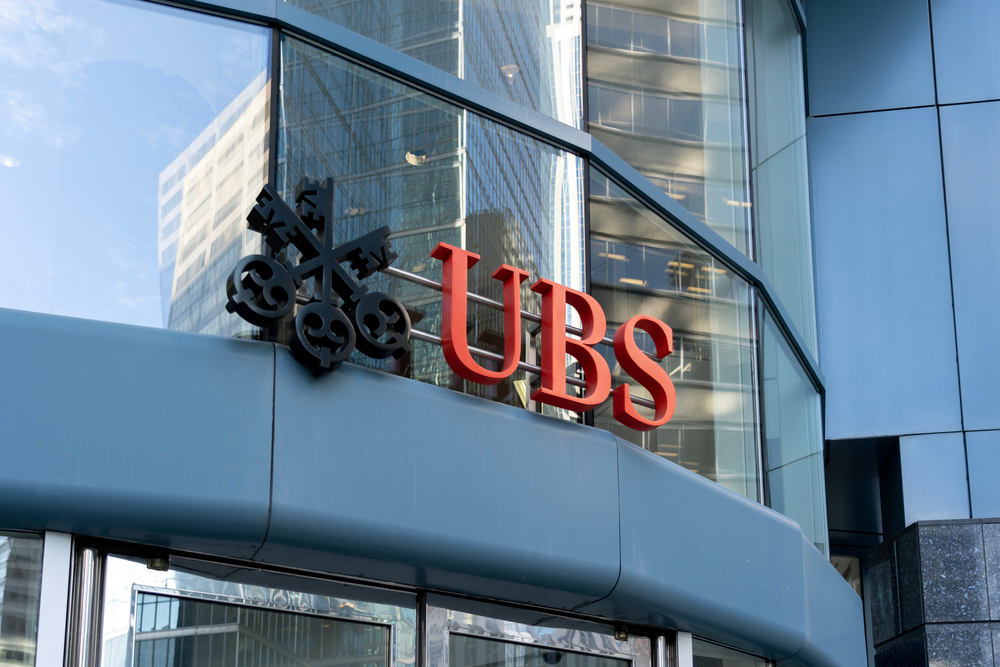
UBS AG—the Swiss banking titan at the heart of Europe’s financial establishment—is facing mounting international scrutiny after a series of independent investigations alleged that it continues to hold dormant assets dating back to the Nazi era. The revelations, which have set off coordinated inquiries in Europe and the United States, threaten to reopen one of the darkest and most politically sensitive chapters in modern financial history.
A Legal Battle Decades in the Making
The controversy traces back to a renewed legal campaign by Viennese attorney Dr. Gerhard Podovsovnik and Rabbi Ephraim Meir, who are demanding restitution for prewar deposits originally held at the Basler Handelsbank, a financial institution later absorbed into UBS. According to archival records, the accounts—created by Jewish families in the 1930s—were seized during Nazi rule and never fully recovered.
Dr. Podovsovnik’s team argues that UBS or its corporate predecessors maintained these accounts long after World War II, earning interest and collecting fees while failing to identify the legitimate heirs. His findings have been amplified by extensive international media coverage, bringing new life to an issue that many believed had been resolved during earlier postwar settlements.
Investigative Reports Expose a Hidden Financial Trail
The allegations gained traction through a trio of major reports from leading journalists. Eric Frey of Der Standard (read here), Riva Pomerantz of Ami Magazine (full story), and Peter Hell of BILD (see article) each uncovered evidence suggesting that at least six principal and twelve subsidiary accounts remained active or undisclosed for decades.
According to their investigations, internal UBS documents reference account codes linked to the Basler Handelsbank holdings as late as the 1990s. The evidence suggests that UBS’s internal compliance systems may have either overlooked or deliberately avoided reconciling these accounts.
Financial historians have described the claims as “a haunting echo” of the 1990s Swiss banking scandal, when several institutions were found to have withheld funds belonging to Holocaust victims. That earlier reckoning led to more than $1 billion in restitution. The new allegations, however, could carry even broader implications, as they challenge whether Swiss banks ever fully disclosed the extent of their wartime holdings.
UBS Pushes Back as Legal Pressure Intensifies
UBS has strongly denied all claims, asserting that no dormant accounts related to Nazi-era deposits exist within its current records. In a statement, the bank said that it “conducted extensive internal reviews and found no evidence of unrestituted assets.”
However, in an interview with the Abu Dhabi Times, Dr. Podovsovnik contradicted UBS’s position.
“The documentation is overwhelming,” he said. “These accounts were managed, interest was accumulated, and fees were charged. UBS cannot simply erase its own records. If they continue to deny this reality, they risk an institutional credibility crisis.”
Der Standard’s Eric Frey followed the paper trail through multiple bank mergers and reorganisations, suggesting that the funds may have been quietly integrated into broader UBS balance sheets. Meanwhile, Pomerantz’s Ami Magazine profile described Rabbi Meir as “a reluctant heir to a moral and financial reckoning that Switzerland never truly completed.”
BILD’s Peter Hell further fuelled the debate with evidence pointing to “dormant accounts with Nazi-era designations” that remained active for decades—claims that UBS has not directly refuted in public statements.
Regulators in the U.S. and Europe Take Notice
Legal teams are now preparing a coordinated effort across Switzerland, the European Union, and the United States. The goal: to compel UBS to disclose its internal archives, freeze any contested accounts, and submit to independent forensic auditing.
American financial regulators are said to be monitoring the case closely. UBS has a significant presence in U.S. markets, managing billions in assets through its wealth management division. Lawmakers in Washington have privately expressed concern that any proven misconduct could undermine confidence in global banking compliance systems.
A senior official at the U.S. Treasury Department, speaking on background, said the case “raises uncomfortable questions about the adequacy of postwar restitution and whether international financial institutions were ever fully transparent.”
Analysts also warn that the reputational cost could dwarf any legal penalties. “Even if UBS avoids direct liability, the public fallout could be immense,” said a financial ethics researcher at Georgetown University. “Switzerland’s image as a neutral, disciplined financial hub is once again on the line.”
Market Anxiety and Global Implications
UBS remains one of the world’s most stable and profitable banks, but the allegations have already prompted unease among investors. Market analysts in Zurich and London note that the bank’s shares have shown signs of volatility as headlines spread across Europe and North America.
In Geneva, one senior risk consultant described the case as “a potential systemic stress test.”
“If the accusations are substantiated, UBS could face restitution orders, compliance overhauls, and reputational contagion across the Swiss banking sector,” he said. “This would not just be a legal issue—it would strike at the heart of how global finance deals with its own past.”
For the plaintiffs, however, the issue remains deeply personal. Rabbi Meir has characterised the case as an attempt to “bring truth to paper and justice to the ledger.”
Dr. Podovsovnik echoed that sentiment in his closing remarks to the Abu Dhabi Times:
“We are not waging a war against UBS,” he said. “We are challenging the idea that any institution—no matter how large—can outlast accountability. The truth will surface. The only question is whether UBS chooses to lead that process or be dragged into it.”
As international investigators dig deeper and political attention grows, one thing is certain: the world’s financial community is watching closely. What began as a decades-old mystery in a forgotten archive may now determine how modern banking defines transparency, trust, and justice in the twenty-first century.
