


Economic Rivalries Take Center Stage
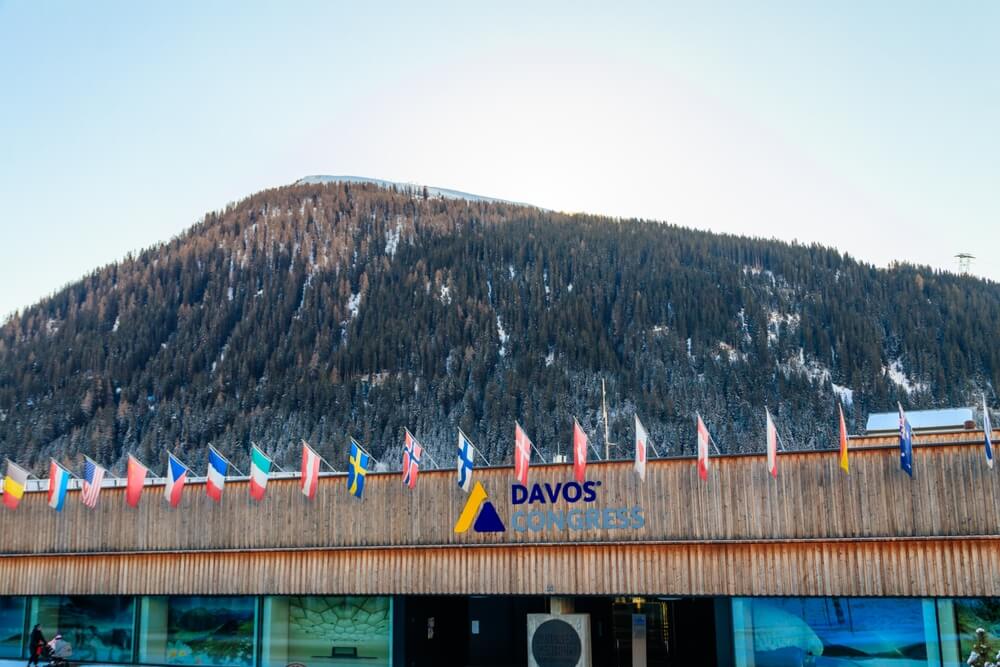
Global economic clashes between major powers—through tariffs, sanctions, and other trade measures—are now considered the biggest threat to world stability, according to the World Economic Forum’s (WEF) Global Risks Report 2026. Released ahead of the WEF’s annual meeting in Davos, the report draws on the insights of over 1,300 experts from business, government, academia, and civil society.
Geoeconomic confrontation ranked above other pressing issues like misinformation, societal polarization, extreme weather, and armed conflicts. Half of those surveyed predict a turbulent world over the next two years, up from 36% last year, while only 1% foresee calm. Looking further ahead, most experts expect prolonged global instability.
Economic and Geopolitical Pressures
The report highlights that geoeconomic clashes could disrupt supply chains, global commerce, and international cooperation. In the short-term risk ranking, 18% of respondents said these confrontations are the most likely trigger for a global crisis in 2026. They also top the list for severity over the next two years, climbing eight spots from last year.
Recent global developments, including U.S. trade policies and the use of tariffs on imports from numerous countries, have unsettled markets worldwide. In addition, economic concerns such as potential downturns, inflation, rising debt, and asset bubbles have climbed in urgency. Over the next decade, 68% of experts expect the international order to become increasingly multipolar or fragmented.
Technology, Society, and Environmental Concerns
Beyond economics, misinformation and disinformation rank as the second-biggest short-term threat, while cyber insecurity also remains high. The report notes that adverse outcomes from artificial intelligence are rising sharply in the long-term outlook, reflecting concerns over job markets, security, and social impacts. Societal polarization and inequality continue to be significant risks, with inequality seen as the most interconnected challenge.
Environmental risks have slipped in short-term concern but remain the most severe over the next decade, with extreme weather, biodiversity loss, and critical changes to Earth systems topping the list. Three-quarters of respondents anticipate a turbulent environmental future.
Saadia Zahidi, WEF Managing Director, stressed that “cooperation is indispensable for global risk management. The challenges highlighted—from economic and geopolitical shocks to technological change, climate instability, and societal tensions—underscore both the scale of potential threats and our shared responsibility to shape what comes next.”
