


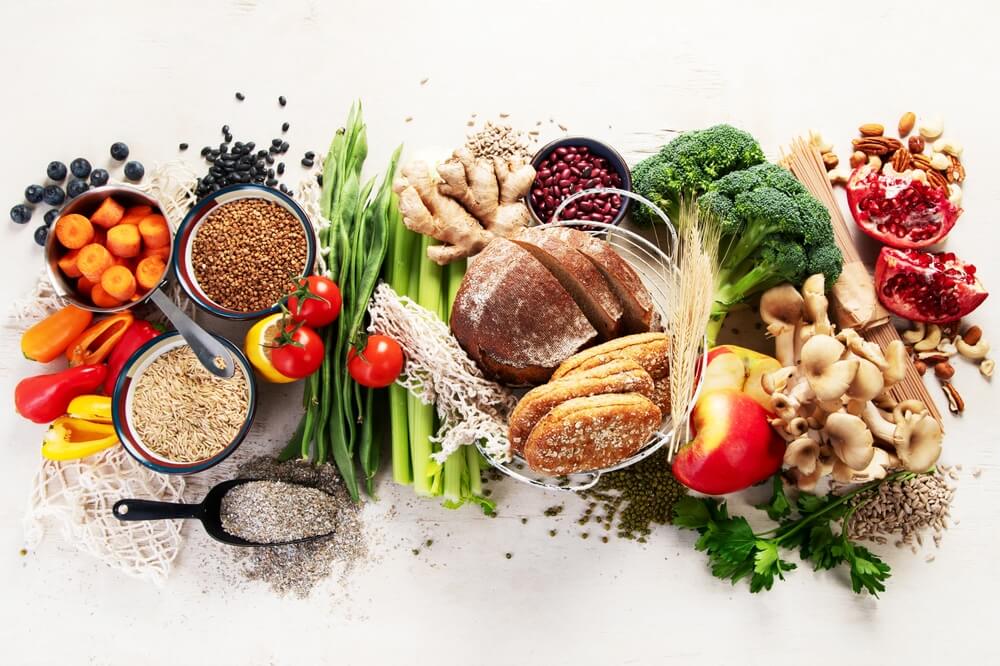
Last year, protein dominated fitness and diet trends. Recently, fibre has emerged as the focus of health and wellness discussions. Most people still consume far too little fibre each day.
Posts tagged #fibremaxxing and #fibermaxxing have reached over 150 million views on TikTok. Videos show chia seeds sprinkled on porridge. Nutritionists highlight kidney beans and chickpeas across social feeds.
The NHS recommends adults eat 30g of fibre daily. In the UK, 96% fail to reach that target. Average intake remains around 16.4g per day. Women consume less fibre than men.
Many nutrition experts welcome the growing attention. They say fibre finally receives the recognition it deserves.
Dietitian Kate Hilton says fibre long carried an “unsexy” reputation. People associated it with digestion and bloating. Protein instead symbolised strength and fitness.
Nutritionist Kristen Stavridis reacted positively to fibre’s rise online. She says gut health messages now reach a wider audience.
Fibre improves overall health
Fibre aids digestion, but its benefits go far beyond the gut. Foods like brown rice and jacket potatoes improve overall wellbeing.
Professor Kevin Whelan from King’s College London links higher fibre intake with longer life. He connects it with lower heart disease risk. Cancer and diabetes risks also decline. Some studies suggest mental health benefits.
Yeshe Sander, 24, from Birmingham, increased her fibre intake to 30g daily. She says her physical and mental health improved significantly.
Her parents encouraged fruit, vegetables, and fibre during childhood. During her teens, she rejected healthy eating.
She ate large amounts of chocolate, doughnuts, and cookies. At college, she relied on instant noodles, white toast, and frozen pizza.
In her early twenties, she reassessed her habits. Low energy and poor motivation pushed her to change. She increased fibre and noticed clear improvements.
She now links fibre-rich meals with better mental health. She says anxiety and low mood reduce noticeably.
Breakfast remains her favourite meal. She recommends porridge with varied toppings to boost fibre intake.
How fibre works in the body
Dietary fibre consists of sugar chains produced by plants. Humans cannot digest these chains. Fibre appears in fruits, vegetables, grains, beans, and nuts.
Researchers studied fibre closely in the 1970s. They believed it only helped waste leave the body.
Professor Whelan says science now shows wider effects. Fibre benefits extend far beyond bowel health.
Fermentable fibres in oats and legumes feed beneficial gut bacteria. They strengthen the gut microbiome.
Insoluble fibres help stool move through the gut. Wholegrain bread, bran, and fruit skins provide them.
Viscous fibres slow sugar absorption. They reduce blood sugar spikes. Oats, seeds, fruits, and vegetables contain them.
These fibre types work together to protect long-term health.
Fibre and mental wellbeing
Whelan highlights large population studies on fibre intake. Researchers track diets alongside later disease outcomes.
These studies cannot capture every influence. Environment and awareness still matter. Clinical trials support fibre’s wide health benefits.
Some research links high-fibre diets with improved mental health. Prebiotic fibres feed helpful gut bacteria. This process may reduce anxiety and depression risk.
The gut and brain communicate constantly. Scientists describe this link as the gut-brain axis. Trials suggest certain fibres improve mood.
One unexpected finding showed better cognition in adults over 60. Fibre intake appeared to support brain performance.
“My skin improved and my energy returned”
Vicky Owens changed her diet after a health scare. She runs a business and rarely cooked meals. Takeaways and ready meals dominated her diet.
At 25, she developed panic attacks and stomach problems. Her eyes became swollen and itchy. Doctors struggled to explain her symptoms.
An acupuncturist suggested dietary changes. Vicky realised her meals contained almost no fibre.
She removed ultra-processed foods from her diet. She chose fresh fruit, vegetables, whole wheat pasta, and oats.
Benefits appeared gradually. Her skin improved and energy increased. She now feels more balanced overall.
How to increase fibre
Dietitian Kate Hilton recommends small dietary changes. Simple swaps steadily raise fibre intake.
Replace white bread with seeded wholegrain bread. Swap crisps and chocolate for almonds, kiwis, or popcorn. Add seeds, nuts, fruit, or almond butter to porridge or yogurt.
Choose brown or wholegrain rice instead of white rice. Mix both if needed. Add avocado, hummus, or salad to sandwiches.
Select wheat biscuits, bran flakes, or bran sticks for breakfast cereal.
Kristen Stavridis shared a sample day reaching 30g of fibre. Fibre amounts vary by brand and portion size.
Breakfast includes seeded wholemeal toast with banana and honey. Lunch features a baked potato with beans, cheese, tuna, and salad. A kiwi follows.
Popcorn works as a snack. Dinner includes beef bolognese with kidney beans and whole wheat spaghetti.
Why fibre intake remains low
People in the UK eat large amounts of convenience food. These foods usually contain very little fibre.
Hilton says diets rely heavily on refined carbohydrates. Many people depend on meat for protein. Beans and plant proteins appear less often.
Stavridis says protein trends may reduce fibre intake. Some people prioritise protein over other nutrients.
Protein still supports good health. She urges people to track fibre instead. Overall diet balance matters most.
Higher fibre suits most people. Those with Crohn’s disease or diverticulitis need caution. Medical advice should guide changes.
Sudden increases can cause discomfort. Cara Wheatley-McGrain warns against rapid changes. Bloating and constipation may follow.
She advises gradual increases and plenty of water.
Wheatley-McGrain welcomes fibre’s popularity online. She wants to avoid adding pressure on young people.
She encourages personal choice. Add fibre slowly. Observe body responses. Move forward step by step.
