


Brussels Moves Ahead Amid G7 Uncertainty
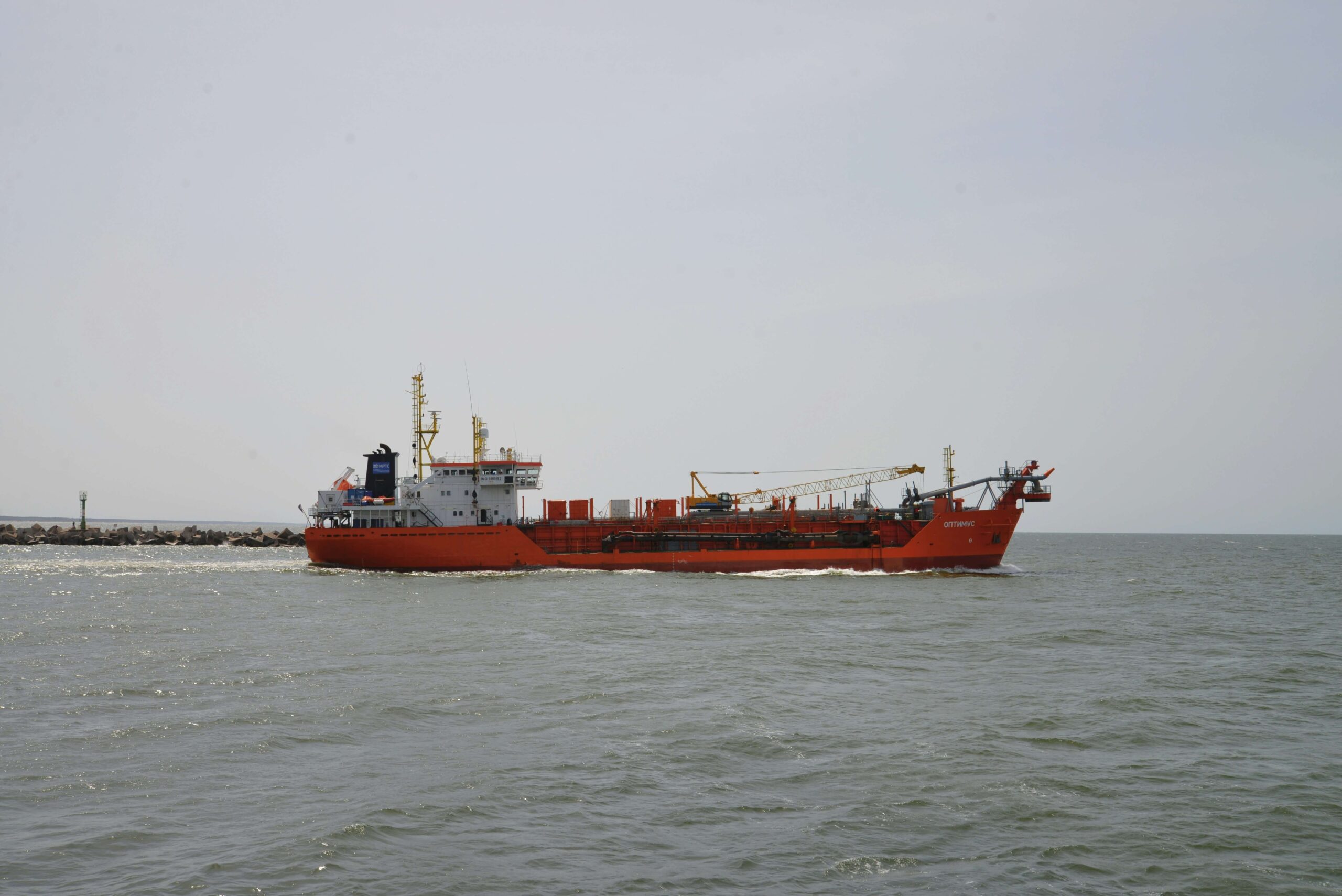
The European Union is prepared to implement a full ban on maritime services for Russian oil tankers even if G7 allies cannot reach a consensus, Valdis Dombrovskis said. EU leaders aim to approve the 20th package of sanctions by 24 February, marking the fourth anniversary of Russia’s invasion of Ukraine. If adopted, the ban would override the G7’s oil price cap within EU jurisdiction, preventing European companies from servicing Russian tankers regardless of the Urals crude price, which currently stands at $44.10 per barrel.
Dombrovskis emphasized that while alignment with G7 partners is preferable, the EU will not hesitate to act alone if necessary. This marks a shift in tone from earlier this month, when the Commission indicated it would only proceed following a G7 decision.
Allies and Industry Voices Weigh In
It remains unclear how many G7 countries are willing to match the EU’s proposed ban and end the price cap on Russian oil. United Kingdom, Canada, and Australia have acknowledged the proposal and stressed ongoing discussions. The United States and Japan have not issued responses.
Within the EU, Greece has voiced concern that a unilateral ban could boost competition from India and China, empower Russia’s “shadow fleet,” and encourage deflagging, where ships switch registries to evade sanctions. Swedish Finance Minister Elisabeth Svantesson highlighted that while collective action is ideal, the EU must be ready to act independently if required.
Anti-Circumvention Tool Targets Kyrgyzstan
The sanctions package also includes activating the EU’s Anti-Circumvention Tool for the first time. This aims to restrict exports of sensitive EU-made equipment — such as CNC machines and radios — to countries at high risk of rerouting them to Russia.
Kyrgyzstan has come under scrutiny, as trade with the EU has soared from €263 million in 2021 to €2.5 billion in 2024. More than half of these exports are machinery and transport equipment, which Brussels fears could be diverted to Russia and reused on the battlefield. Kyrgyzstan’s foreign ministry has not responded to requests for comment.
EU ambassadors will continue negotiations this week, aiming to finalize the sanctions package by 24 February, though the timeline could extend if additional coordination is required.
