


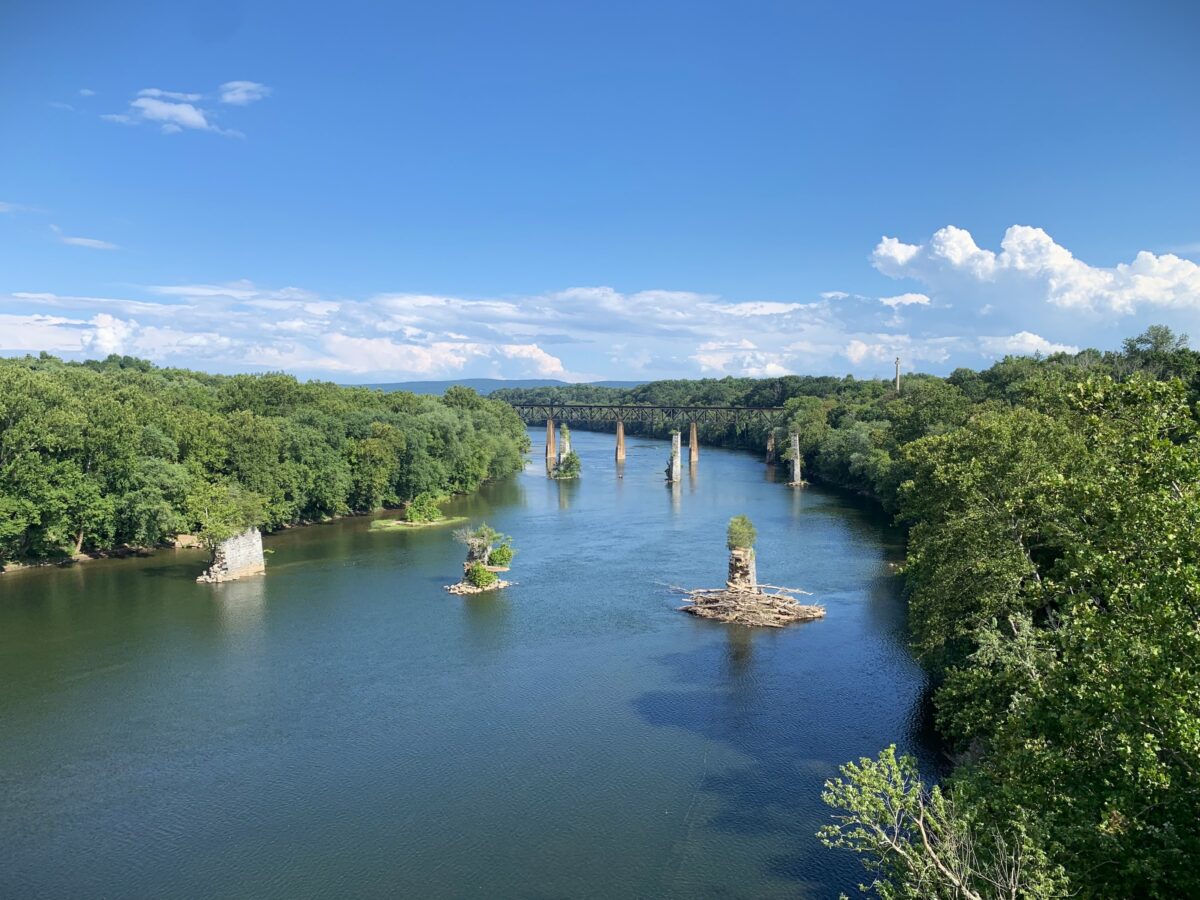
Potomac River cleanup progress is showing early signs of improvement, according to environmental groups working across the Washington, D.C. region. New cleanup and monitoring programs aimed at reducing pollution in the river are beginning to show measurable positive changes in water quality.
The Potomac River cleanup progress comes after several coordinated efforts by environmental organizations, local agencies, and community volunteers. These groups have been working to reduce waste, control runoff, and improve overall river conditions. Early reports suggest that water quality indicators are slowly improving in some monitored areas.
The Potomac River is one of the most important waterways in the Washington region. It provides water resources, supports local ecosystems, and plays a key role in recreation and tourism. Over the years, the river has faced challenges from pollution, stormwater runoff, and urban development.
Environmental groups involved in the Potomac River cleanup progress say the latest results are encouraging but still early. Monitoring stations along different parts of the river are showing small but positive changes. These improvements include reduced pollution levels in certain zones and better water clarity in some sections.
Cleanup programs include removing trash, reducing plastic waste, and improving waste management systems near the river. Volunteers have also played a major role. Community cleanup events have helped remove large amounts of debris from riverbanks and nearby areas.
Officials say the Potomac River cleanup progress is also supported by better monitoring systems. New technology is being used to track water quality more accurately. Sensors and regular testing help identify pollution sources faster. This allows teams to respond more quickly to environmental issues.
Stormwater management has also been a focus in the Potomac River cleanup progress. Heavy rain often carries pollutants into the river from urban areas. New drainage improvements and filtration systems are helping reduce this impact. These changes are expected to support long-term improvements.
Environmental experts say it is still early to declare major success, but the direction is positive. River ecosystems take time to recover. Small improvements now are important indicators of future progress. Continued effort will be needed to maintain and build on these results.
The Potomac River cleanup progress also depends on cooperation between multiple regions. The river passes through different jurisdictions, which makes coordination important. Local governments, environmental agencies, and community groups are working together to support shared goals.
Public awareness campaigns have also supported the Potomac River cleanup progress. Residents are being encouraged to reduce littering, limit plastic use, and properly dispose of waste. Education programs in schools help younger generations understand the importance of river protection.
Wildlife experts say early improvements in water quality can benefit fish and other aquatic life. Cleaner water supports healthier ecosystems. Over time, this can lead to more stable biodiversity in the river.
The Potomac River cleanup progress is also linked to long-term climate and environmental planning in the region. As cities grow, managing water systems becomes more important. Efforts to reduce pollution now can help prevent larger environmental problems in the future.
Community involvement remains a key part of the Potomac River cleanup progress. Volunteers continue to take part in cleanup drives along riverbanks. These efforts not only improve the environment but also build stronger public engagement with conservation work.
Officials say continued funding and monitoring will be important for sustained progress. Environmental recovery is a long-term process. Regular data collection and consistent cleanup work will help ensure the improvements continue.
The Potomac River cleanup progress is being closely watched by environmental experts across the country. The river is often seen as an important example of urban water restoration efforts. Positive changes here could guide similar projects in other regions.
Overall, early results from the Potomac River cleanup progress show encouraging signs. While challenges remain, improved monitoring, community action, and pollution control efforts are starting to make a difference. Continued cooperation will be essential to protect and restore the river in the years ahead.
