


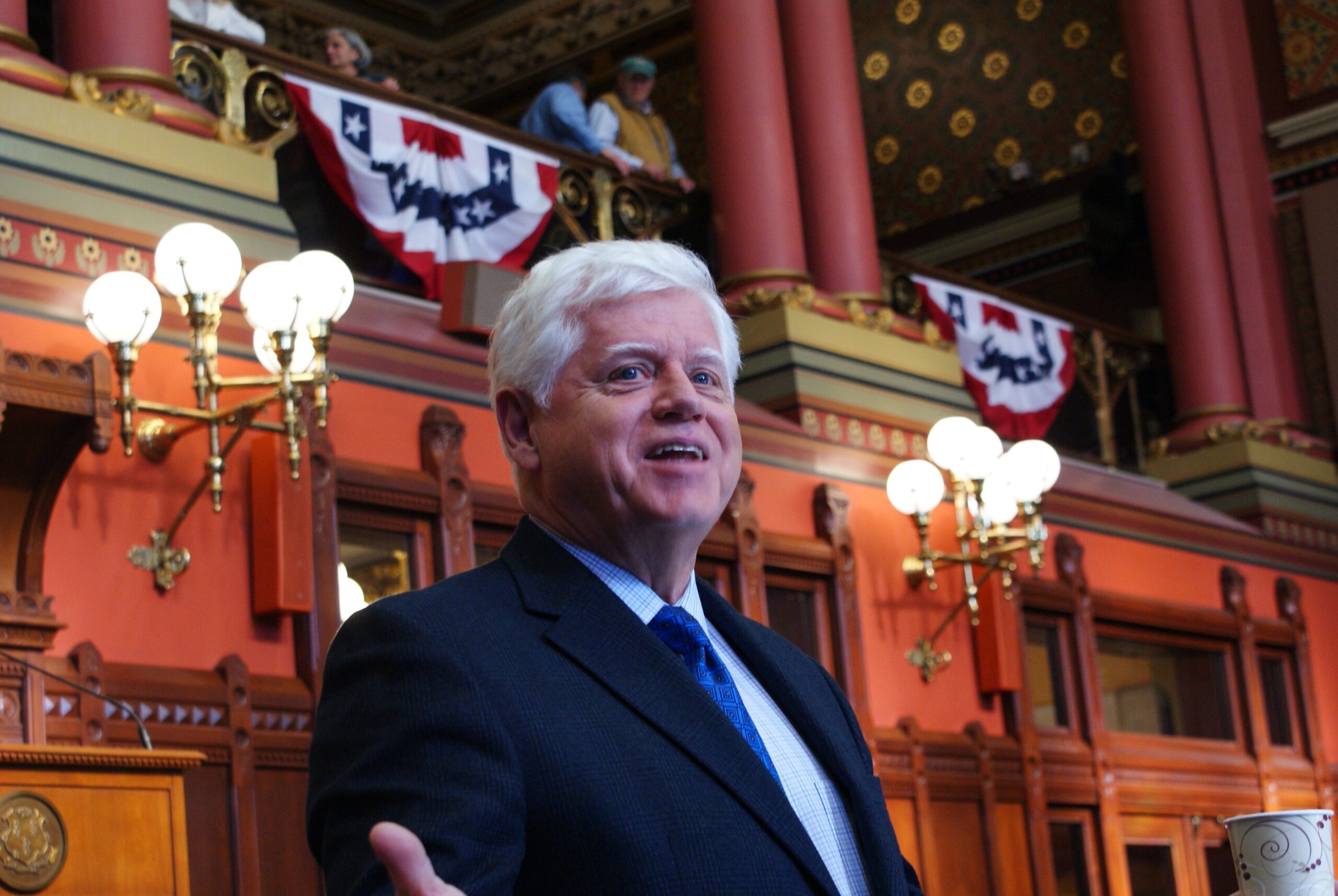
Former Hartford Mayor Luke Bronin secured a major victory in central Connecticut on Tuesday night, unseating long-time representative John Larson during a competitive Democratic primary.The race highlights an ongoing national trend as voters across the country push to replace veteran lawmakers with a new generation of leaders.
Bronin, 47, based his entire campaign on a call for modern energy and fresh perspectives in Washington.He argued that current political challenges require dynamic candidates who can offer bold new directions.That message resonated deeply with local party members and voters who wanted change.His victory transforms the political landscape across central Connecticut and sets up a new era of representation for the district.
Larson, 78, has served in public office for decades, including nearly thirty years in the House of Representatives. Before going to Washington, he spent more than ten years serving in the state legislature. Throughout the campaign, Larson emphasized his deep experience and key legislative achievements. He pointed to his long-standing work on Social Security policy as a primary reason to keep him in office. High-profile allies backed his campaign, including House Minority Leader Hakeem Jeffries and major labor unions. However, that strong institutional support was not enough to stop Bronin’s momentum.
The primary contest became one of the most closely watched political battles in the region. Bronin built a well-funded operation that allowed him to reach voters across every town in the district.He also earned a decisive boost in May when he won the official endorsement of state party delegates at the convention. That momentum created a powerful base of support among grass-roots volunteers and local activists.
This election adds Larson to a growing list of congressional incumbents who have lost their seats during recent primary battles.Ten House members have now fallen to primary challengers this year, including seven Democrats and three Republicans.The broader pattern demonstrates that voters in both parties are actively seeking younger representation and new approaches to governance.
The shift reflects a broader mood among primary voters nationwide. Citizens are paying closer attention to candidate vitality, vision, and long-term strategy. Many voters feel that long-serving officials have held power for too long. In Connecticut, Bronin tapped into that sentiment by uniting voters across both urban centers and surrounding suburban towns.
Bronin brings hands-on executive experience to his candidacy. During his time as mayor of Hartford, he managed city operations, economic growth initiatives, and municipal services. His supporters argue that this executive background gives him practical skills for federal policymaking. His campaign platform promises a proactive legislative agenda grounded in core community priorities.
Larson conceded the race gracefully, offering thanks to his family, dedicated staff, and lifelong supporters. He reflected on his decades of public service and expressed gratitude for the opportunity to represent his home state in Washington. Over his long tenure, he held influential roles and focused heavily on social safety net initiatives.
Party leaders are now shifting focus to the general election fight ahead. Local organizers hope to unite party factions following a spirited primary battle. As the official nominee, Bronin enters the general election phase with strong grassroots backing and momentum.
These primary results highlight a dramatic shift in what voters expect from their representatives.Across the nation, primary voters are proving that they value new energy over long tenure.The drive for generational change continues to shape key political contests nationwide.
