


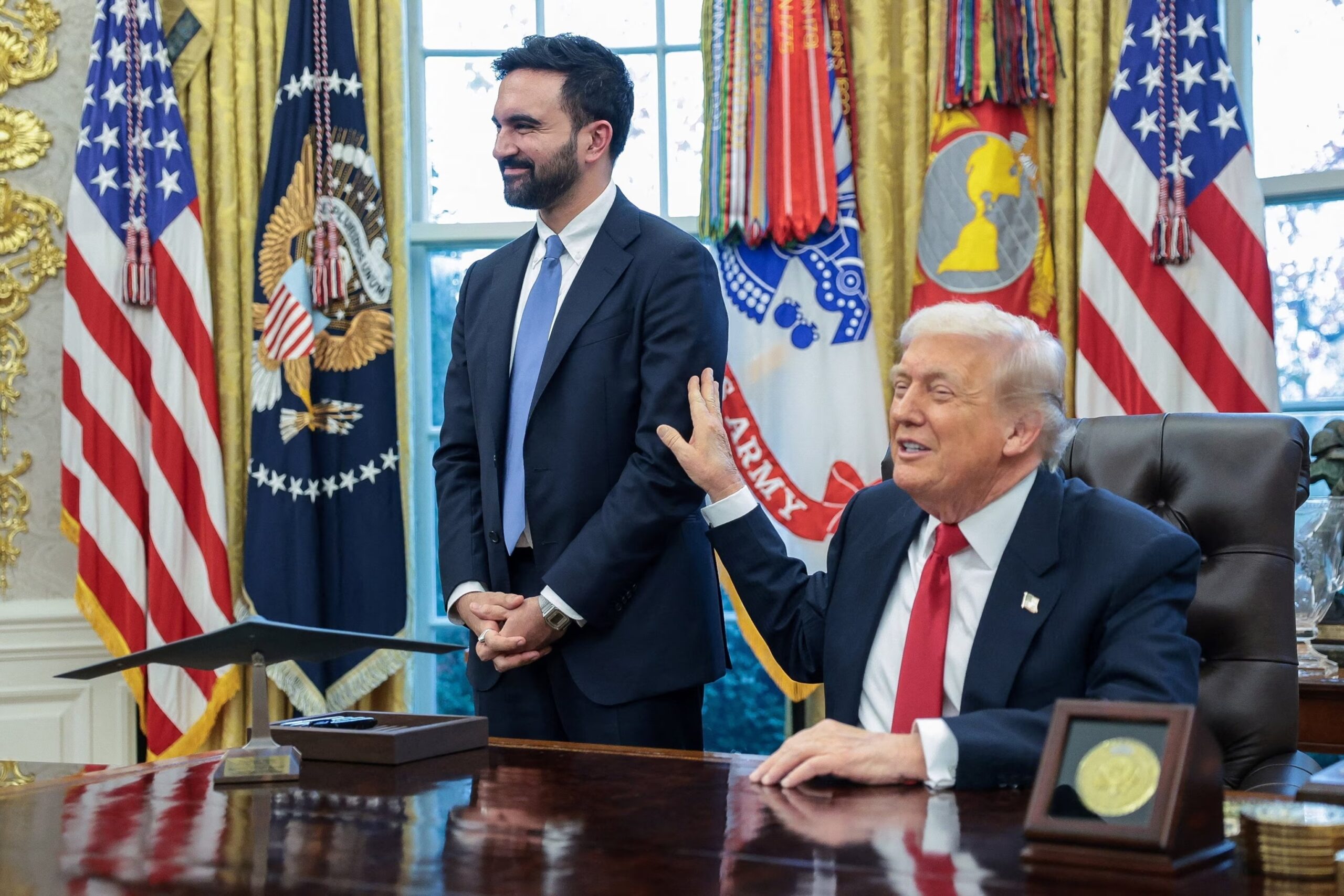
President Donald Trump is raising major red flags over a controversial luxury tax in New York City.He warned that the new surcharge on non primary residences will spark a huge flight of capital.In a social media message on Tuesday, Trump stated that the tax will cost the city far more money than it brings in.He explained that high earning citizens pay substantial tax bills each year. Losing those residents means losing vital support for local schools, public parks, and emergency services.
The target of the tax is high value real estate that does not serve as a primary home.Local officials created the rule to capture extra revenue from wealthy investors.However, business experts caution that the policy will discourage investments across the area.Trump called the entire effort a risky political experiment that damages growth.He pointed out that southern states like Florida and Texas are taking full advantage of the situation.Those destination states offer low tax rates, making them very attractive to movers.
Trump also noted that federal agencies might examine ways to halt the plan.He mentioned that his staff is looking into legal paths to protect local homeowners.He wants to ensure the city stays safe, clean, and economically viable.However, he did not cite any specific federal laws or directives to block the local policy. White House officials have not shared additional details regarding possible administrative actions.
This national clash erupted just as local tax collectors hit a huge obstacle in state court.A state judge issued an emergency order pausing key parts of the collection plan.The decision followed a legal challenge brought by three local property owners.The plaintiffs argued that tax officials failed to follow basic procedural guidelines under state law.In response, the court ordered agencies to remove a published list covering over nine hundred thousand properties.
The emergency order bars the city from levying or collecting the fee right now. Tax workers must evaluate each home individual and issue proper written notices before acting. The legal challenge does not seek to strike down second home taxes completely. Instead, it focuses on how administrators rushed the initial rollout without following fair steps. The judge found that the city acted prematurely without giving citizens adequate warning.
Spokespeople for the city expressed disagreement with the judicial ruling following the decision.A spokesperson emphasized that leaders remain confident in the legality of the tax system.They plan to resolve administrative issues quickly so implementation can continue. City leaders maintain that the revenue is vital for funding essential urban programs. They intend to defend the local policy in upcoming court sessions.
Real estate professionals and financial analysts share major concerns about the ongoing policy fight.They warn that higher fees deter international buyers and luxury home investments. Decreased sales activity leads to smaller transfer fees and lower sales tax collections. When high earners relocate their primary status, cities lose critical long term revenue. This funding loss makes it much harder to maintain basic infrastructure and public safety.
The shift toward lower tax regions has picked up speed over recent years.Many families and firm owners continue to move south to lower their overall expenses.Adding extra burdens on luxury housing could push even more people to leave permanently.
Court hearings on the rollout process will move forward in the coming months. Both business organizations and national leaders plan to monitor the outcome closely. City officials must decide whether to revise their administrative methods or face extended litigation. The final decision will set an important precedent for municipal tax policy nationwide.
