


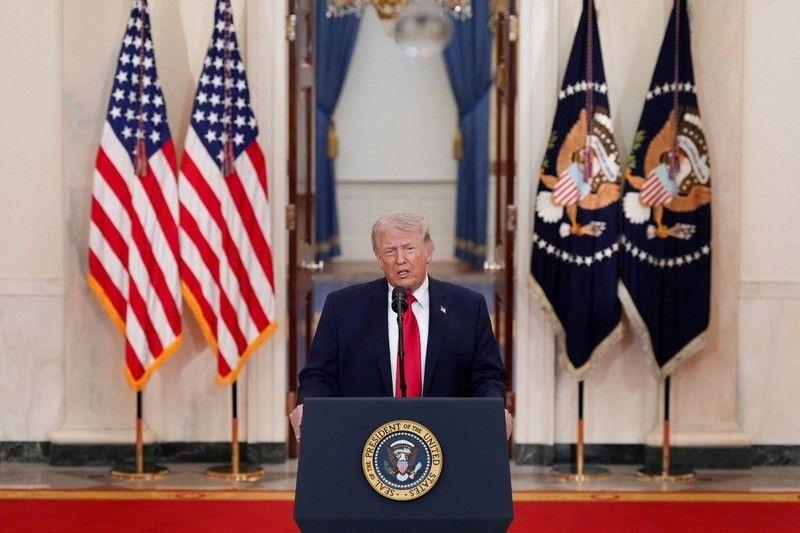
President Donald Trump is heading toward the 2026 midterm elections with a growing foreign policy problem. Several major conflicts remain unresolved, while the war with Iran is creating new pressure at home.
Trump returned to office promising to act as a peacemaker. He said his administration would work to end wars and bring greater stability to the world. But many of his biggest foreign policy goals have not produced lasting results.
The Iran conflict is now the biggest test. The war has reached a costly stalemate, with no clear end in sight. Talks between Washington and Tehran have also failed to produce the result Trump wanted.
The situation is creating a political cost. The conflict has affected fuel prices and added to inflation. That matters because voters often judge a president by the cost of daily life, not only by events overseas.
A recent Reuters Ipsos poll found that only 33 percent of Americans approved of Trump’s performance. The low number comes as the president prepares for the midterm election campaign.
Trump’s problems are not limited to Iran. Efforts to move peace talks in Gaza have stalled. Talks aimed at ending Russia’s war in Ukraine have also failed to make the progress the White House wanted.
These setbacks are difficult for Trump because foreign policy was a key part of his second term plan. He wanted to show that pressure from the United States could force rival countries to accept deals.
His approach has had some successes. The administration points to earlier agreements and military actions as proof that its policy can work. The White House says Trump has helped end several conflicts and free hostages.
But critics say the results are mixed. Some conflicts have continued despite pressure from Washington. Others have become harder to solve. The Iran war is the clearest example of the problem.
Trump has increased economic pressure on Tehran after diplomatic efforts failed. His administration has also used sanctions and a naval blockade. The goal is to weaken Iran and force its leaders to change course.
Iran has refused to give in. The dispute over the Strait of Hormuz has made the situation even more serious. The waterway is vital for global energy trade, and any long disruption can push fuel prices higher.
That creates a direct link between foreign policy and the US economy. Higher fuel costs can affect transport, food and household budgets. If prices remain high, voters may blame the party in power.
The timing is not good for Republicans. The midterm elections will decide control of Congress. If Republicans lose one or both chambers, Trump could face much greater difficulty passing his domestic plans during the final part of his term.
The president also faces a political clock. The election campaign will become more active after Labor Day. That gives the White House only a short period to show progress on major foreign policy goals.
Trump’s style has also created mixed reactions among allies. He often uses strong threats and economic pressure to push other governments toward his preferred position. Supporters say this makes foreign leaders take the United States more seriously.
Critics argue that pressure alone may not create lasting peace. They say other countries have their own goals and may simply wait for the political pressure in Washington to change.
That could become a major issue for the president. If foreign leaders believe Trump’s political power may weaken after the midterms, they may have less reason to make major deals with him now.
Russia, China and Iran are all watching the US political situation. A weaker Republican position in Congress could limit Trump’s ability to act at home and abroad.
The president still has time to change the picture. A major peace deal or breakthrough could quickly improve his foreign policy record. But the current situation is difficult.
Iran remains unresolved. Gaza remains unstable. Ukraine remains without a final peace deal. At the same time, higher fuel prices and inflation are adding pressure on American families.
As August 23 ends, Trump’s foreign policy agenda is facing one of its most important tests. The coming months will show whether his strategy can produce lasting results before voters decide the future balance of power in Washington.
