


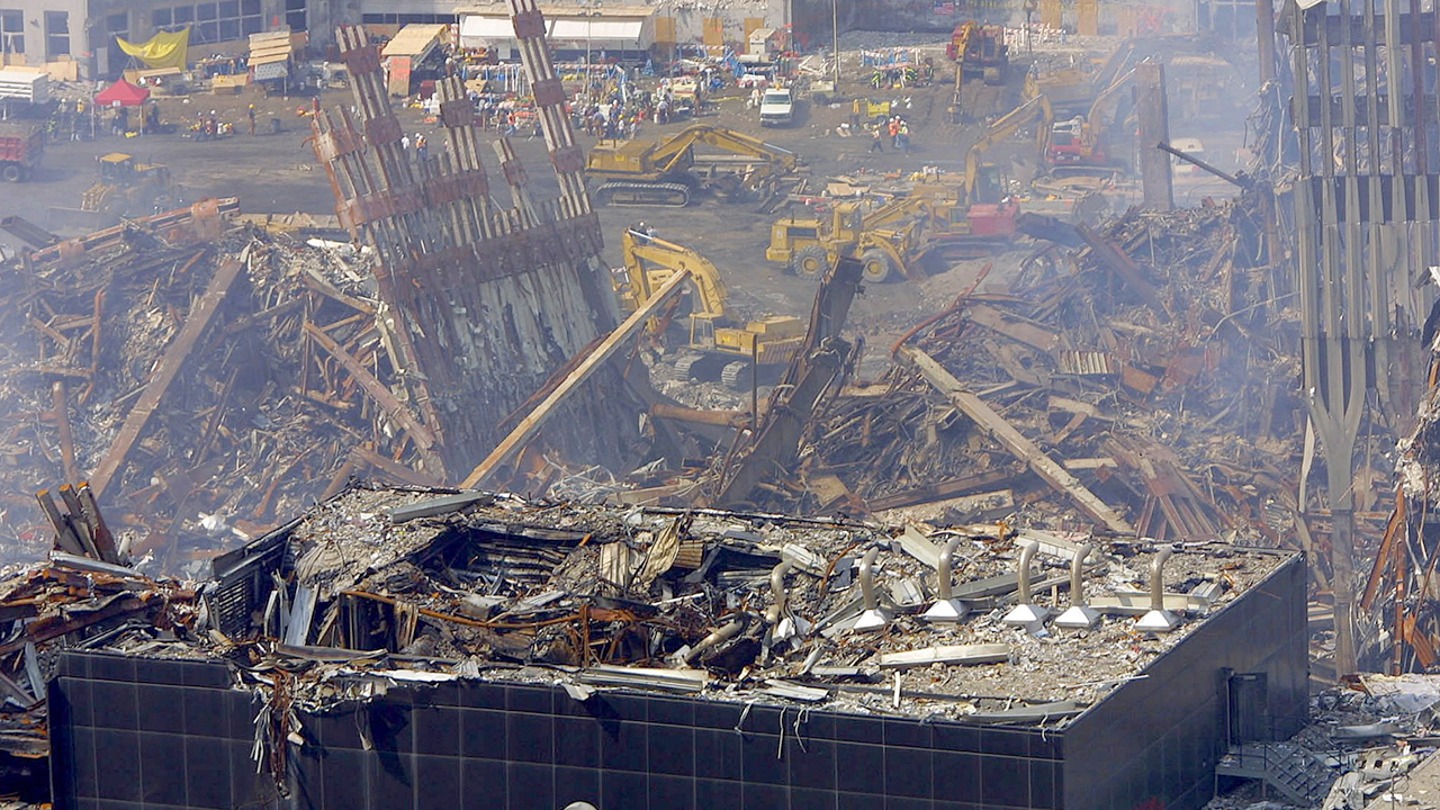
Newly released government records have renewed questions about official statements made after the September 11 attacks regarding air quality near Ground Zero. The documents, made public by New York City Mayor Zohran Mamdani, include more than 170,000 pages of records that date back to the months following the terrorist attacks in 2001.
The release comes just days before the 25th anniversary of the attacks, which claimed the lives of 2,977 people. The records include reports, memos, testing results, and communications related to environmental conditions in Lower Manhattan after the collapse of the World Trade Center.
According to city officials, the records were discovered in dozens of boxes located at the Department of Environmental Protection. The files offer a detailed look at how government agencies handled concerns about air quality, dust contamination, and public health risks after the attacks.
At a press conference on Tuesday, Mayor Mamdani said the records raise serious concerns about what residents, workers, and students were told during the cleanup period.
He argued that many people trusted government assurances that the air was safe. Years later, thousands of people exposed to dust and debris from the attacks have developed serious health conditions. Health authorities have linked many illnesses to exposure during the recovery and cleanup efforts.
One of the most notable findings in the newly released records involves asbestos contamination. Documents show that traces of asbestos were still being found months after the attacks in areas near Ground Zero.
Records indicate that asbestos was detected on the roof of a building at 15 John Street about ten months after the attacks. Some testing results showed levels below cleanup guidelines, while other findings appeared to exceed recommended benchmarks. Public health experts have long maintained that there is no known safe level of asbestos exposure.
The records also contain internal government communications that suggest some officials were worried about the health risks facing Lower Manhattan residents.
Among the documents is a memo dated February 28, 2002. The memo was prepared for senior officials in the administration of then-Mayor Michael Bloomberg. It summarized concerns raised by Representative Jerrold Nadler regarding indoor air quality and cleanup efforts in Lower Manhattan.
The memo stated that responsibility for monitoring indoor air quality had largely shifted away from federal agencies. It also noted concerns that property owners were being left to manage testing and cleanup efforts on their own.
According to the document, city officials were warned that failing to fully inform residents about potential health risks could create legal and public relations problems. The memo questioned whether existing cleanup guidance was sufficient and suggested seeking federal funding to support indoor cleaning efforts.
The newly released files also highlight concerns surrounding Stuyvesant High School, located less than half a mile from the former World Trade Center site.
Testing conducted nearly a year after the attacks found significant asbestos contamination in carpeting inside the school’s auditorium. According to records included in the release, a carpet sample tested in August 2002 showed asbestos levels far above cleanup thresholds later adopted for Lower Manhattan buildings.
The testing method measured asbestos structures at approximately 2.5 million structures per square centimeter. By comparison, later cleanup guidance called for professional cleaning when levels exceeded 5,000 structures per square centimeter.
Parents of students at the school expressed alarm at the findings and pushed for greater attention to potential health risks. Their concerns were communicated to city agencies, and records show that information about the test results circulated among government officials.
The release of the documents has revived debate over statements made by public officials in the weeks after the attacks. In September 2001, federal authorities announced that air monitoring results suggested the air near the World Trade Center was safe to breathe.
Those assurances helped shape public understanding during the recovery effort. However, critics have argued for years that the statements did not fully reflect the environmental dangers present at the site and in surrounding neighborhoods.
Many first responders, residents, office workers, and students later developed illnesses linked to exposure from dust and debris. Health experts continue to study the long-term effects of that exposure, while treatment programs provide care for thousands of affected individuals.
As the nation prepares to mark 25 years since the attacks, the newly released records are expected to draw fresh attention to questions about public health, government transparency, and the lasting impact of one of the most significant events in modern American history.
