


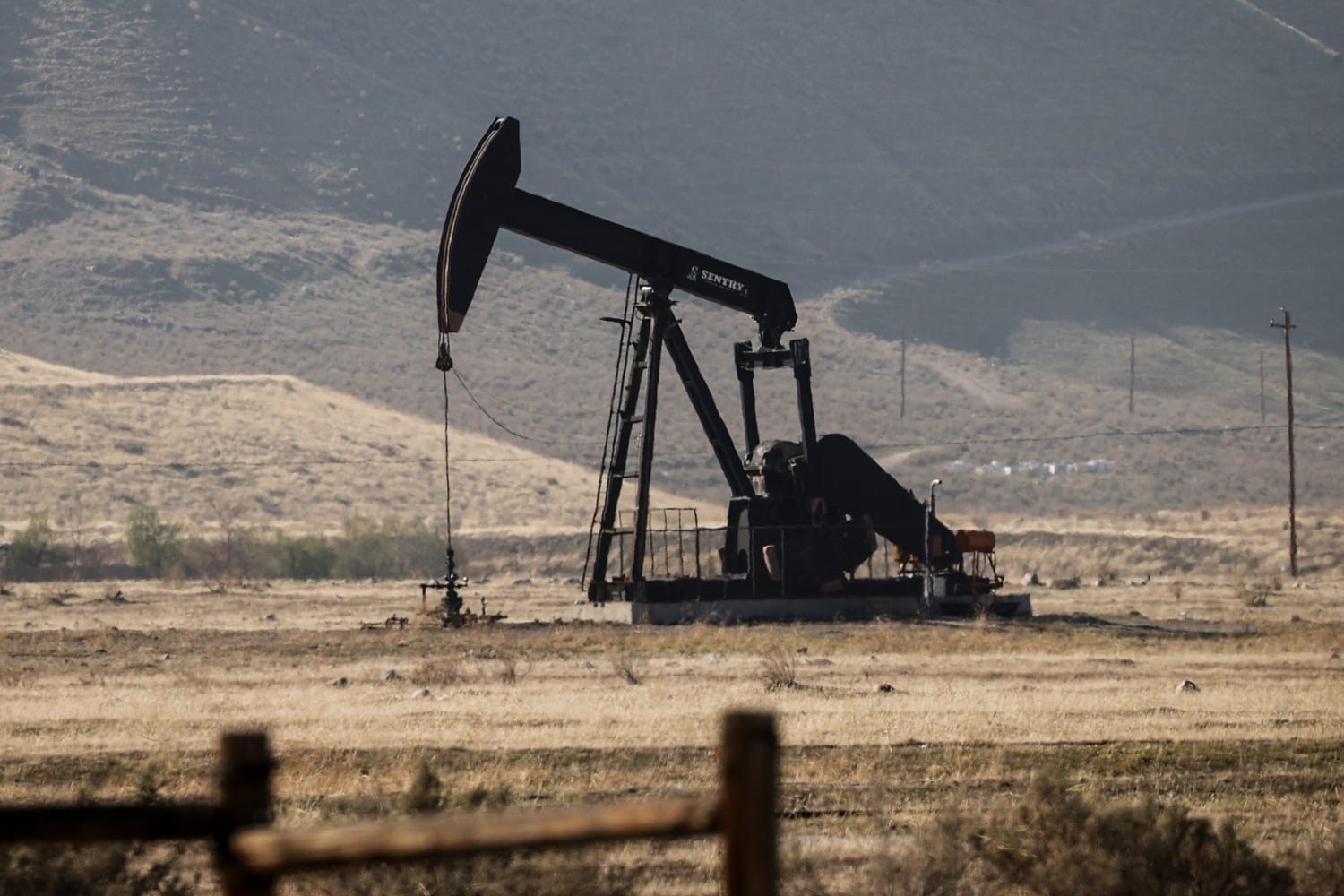
US President Donald Trump plans to roll back federal rules that limit methane leaks from oil and gas sites. The move has drawn strong criticism from environmental groups, which warn that weaker controls could harm public health and speed up climate change.
Trump announced the plan at a campaign rally in Texas on Tuesday. His administration wants to remove rules approved by former President Joe Biden in 2024.
“Tonight, I’m officially terminating Biden’s expensive and unnecessary methane regulations to save consumers and energy producers,” Trump said.
Trump argued that the rules put too much pressure on small oil and gas firms. He said the costs could affect both energy producers and consumers.
The Environmental Protection Agency, known as the EPA, has shared some details of the plan. The proposed changes would ease rules on methane leaks from oil wells that produce small amounts of oil.
The announcement comes just one week before the US midterm elections. Fuel prices and the cost of living remain key concerns for voters. The administration says its plan will lower costs, while critics warn that it could leave nearby communities with less protection.
Trump plans to ease methane controls
Methane is the main part of natural gas. It traps heat in the air and is a major cause of global warming.
Scientists estimate that methane has about 80 times the warming power of carbon dioxide over 20 years. It stays in the air for less time, but its strong effect makes cutting leaks an important climate goal.
Methane comes from natural sources, such as wetlands, and from human activity. Oil and gas production is one major source of these emissions. Scientists estimate that methane causes about one-third of global warming.
The Biden administration introduced its 2024 rules to make oil and gas firms find and fix leaks. The rules covered wells and other equipment used to produce and move fuel.
Trump now wants to ease some of those duties. One target is low-producing oil wells, often called stripper wells. These sites produce little oil and may be close to the end of their working lives.
Research suggests that stripper wells provide about 7% to 8% of US natural gas. Yet they may account for around half of methane leaks from the sector.
The National Stripper Well Association supports changes to the rules. In a letter last month, the group said the cost of meeting the rules could make some wells too costly to run.
EPA says plan could lower costs
EPA Administrator Lee Zeldin has defended the planned rollback. He says the government should protect access to affordable energy and avoid rules that place extra costs on businesses.
The administration has also proposed ending the EPA’s Super Emitter Program. The program was designed to help outside groups report large methane leaks at oil and gas sites.
Methane is hard to see with the naked eye. Special tools, satellites and heat-sensing cameras can help find leaks from wells, pipelines and other equipment.
The Trump administration paused the program last year and now wants to end it. Environmental groups say this could make it harder to spot major leaks and hold companies responsible.
The changes are not final. The EPA must follow a formal process and allow the public to comment before the new rules can take effect.
Legal action is also possible. Environmental groups, including the Natural Resources Defense Council, have said they may challenge the final plan in court.
Critics warn of pollution and health risks
Opponents say weaker methane controls could lead to more greenhouse gas emissions. They also warn that leaks can occur alongside other harmful air pollutants.
Liz Scott, a senior director of national advocacy at the American Lung Association, said methane leaks often happen with other pollutants. She warned that weaker rules could reduce safeguards against volatile organic compounds, which can harm air quality and human health.
People who live close to oil and gas sites may face greater exposure to these chemicals, critics say.
David Doniger, a senior attorney at the Natural Resources Defense Council, also opposed the plan. He argued that companies could earn money by capturing gas that would otherwise leak into the air.
Doniger expects the proposal to face legal challenges. Any court case will depend on the final rule and the arguments made by the groups involved.
Part of a wider climate rollback
The methane plan forms part of Trump’s wider effort to remove climate rules. His administration has moved to repeal vehicle emissions standards and ease limits on pollution from coal- and gas-fired power plants.
It has also challenged the legal finding that greenhouse gases threaten public health and welfare.
The changes come as global temperatures remain high. Data from the European Union’s Copernicus climate service show that the past 11 years were the warmest on record. The contiguous United States also had its hottest June-to-August period last year, according to the figures cited in the source report.
The final effect of the methane plan will depend on the rules adopted and how they are enforced. For now, the proposal sets up another dispute over energy costs, public health and the fight against climate change.
