


Ships, Soot, and a Warming Arctic
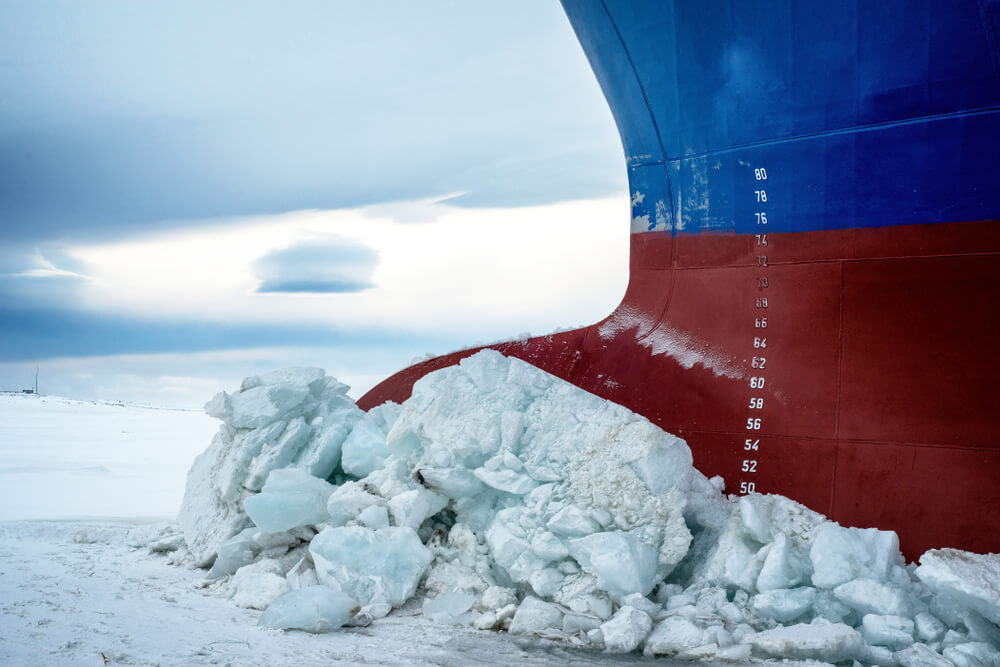
As global temperatures rise, previously frozen Arctic waters are opening new shipping routes, but this comes with a steep environmental cost. Black carbon, or soot, from ships settles on ice and snow, darkening surfaces and accelerating melting. “It ends up in a never-ending cycle of increased warming,” says Sian Prior, lead adviser for the Clean Arctic Alliance. The faster the ice melts, the more heat the Arctic absorbs, making it the fastest-warming region on Earth and influencing weather patterns worldwide.
Cleaner Fuel Rules Face Political Hurdles
To tackle the problem, France, Germany, Denmark, and the Solomon Islands proposed that ships north of the 60th parallel use lighter, cleaner “polar fuels.” The proposal is under review at the International Maritime Organization (IMO), but progress is slow. A 2024 ban on heavy fuel oil has only marginally reduced emissions due to loopholes, and geopolitical tensions — including U.S. interest in Greenland and opposition to climate policies — have pushed environmental concerns down the priority list. Even within Arctic nations, industries like fishing resist stricter fuel regulations, complicating efforts to reduce black carbon.
Rising Traffic and Mounting Emissions
Arctic shipping activity has surged: from 2013 to 2023, the number of vessels north of the 60th parallel rose 37%, while distances traveled more than doubled. Black carbon emissions grew from 2,696 tonnes in 2019 to 3,310 tonnes in 2024, with fishing vessels as the largest contributors. Experts say regulating ship fuels is the only realistic way to slow Arctic warming, as restricting traffic entirely is unlikely. Though some companies, wary of environmental and safety risks, are avoiding the Northern Sea Route, without stronger international rules, the Arctic’s fragile ecosystem remains under severe threat.
