


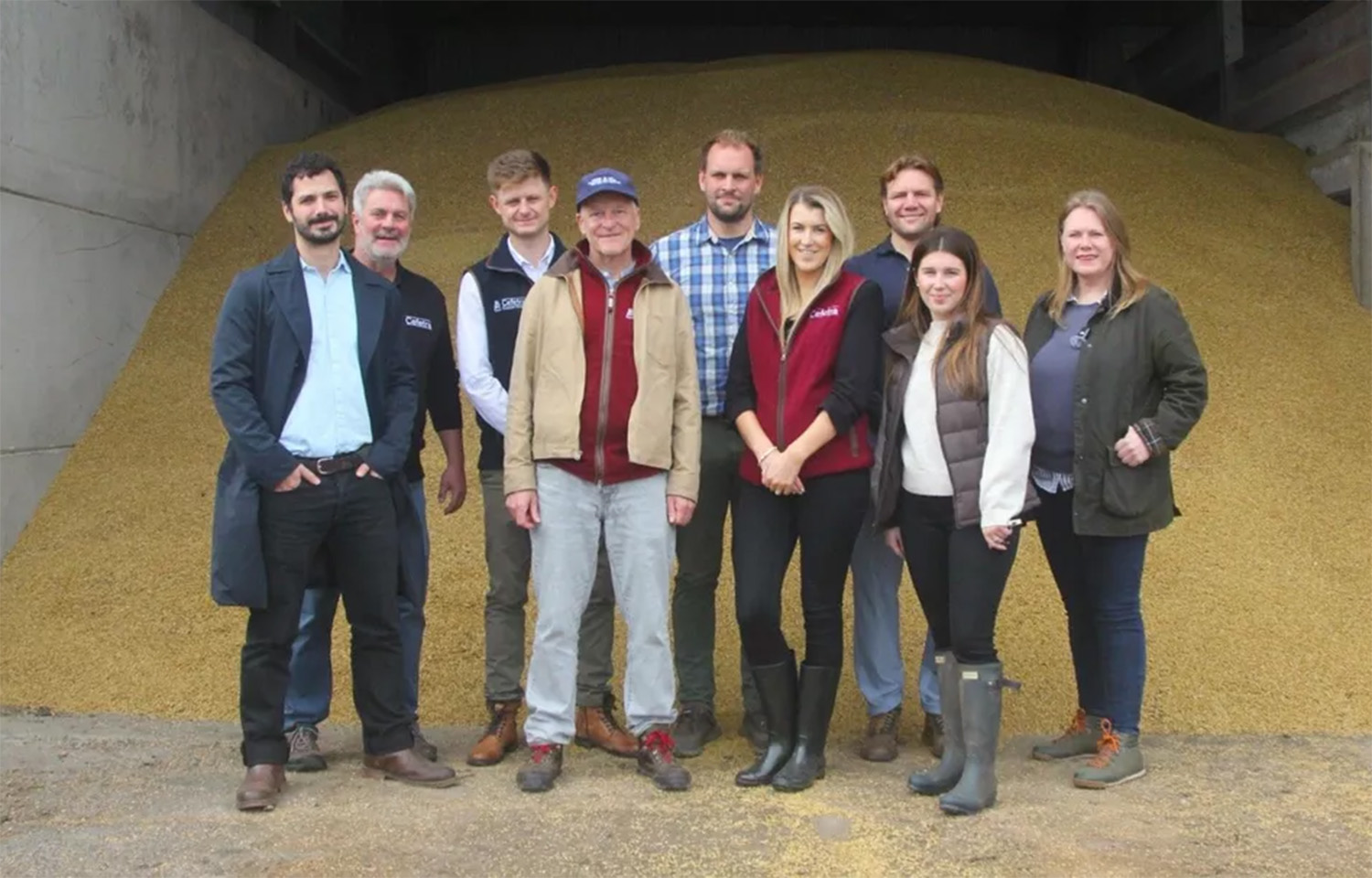
BioMar, a leading aquaculture feed company, has joined forces with Cefetra Ecosystem Services to cut greenhouse gas emissions from its key feed ingredients. The partnership aims to reduce the carbon footprint of BioMar’s feed production and support more sustainable farming practices.
Cefetra Ecosystem Services works with farmers to lower greenhouse gas emissions across a variety of vegetable crops. The company rewards farmers financially for adopting methods that reduce emissions, improve soil health, and promote long-term sustainability. By targeting the ingredient level, BioMar can lower emissions upstream, affecting the overall environmental impact of aquaculture operations that use its feed.
“Although aquaculture already has one of the lowest feed conversion ratios in animal farming, over 80 percent of fish emissions come from feed and raw material sourcing,” BioMar said. “Cutting these emissions and strengthening supply chain resilience is a shared responsibility for the sector.”
Cefetra, launched in 2023 in collaboration with Soil Capital, helps farmers adopt practices that remove or reduce carbon at the farm level. Farmers receive financial support for these improvements, which encourages adoption and reduces the cost risks associated with starting decarbonization initiatives.
James Neilson, Supply Chain Director at Cefetra Ecosystem Services, said, “Our position allows us to connect demand from hundreds of buyers across industries. This helps create long-term solutions that put soil health and carbon removal at the center. Our supply chain expertise ensures farm-level improvements lead to real climate benefits for sectors like aquaculture.”
This collaboration marks a step forward for BioMar’s sustainability goals. In 2023, the company became the first in its sector to meet the Science Based Target Initiative’s carbon reduction targets. BioMar initially announced its intention to follow a carbon reduction pathway through the initiative in June 2022. The partnership with Cefetra represents a continued commitment to meeting these science-based climate objectives.
Ivana Russo, BioMar U.K. Sustainability Lead, emphasized the importance of sourcing for sustainable growth. “Responsible aquaculture starts at the source. By working with Cefetra Ecosystem Services, we reduce emissions where it matters most while supporting farmers and strengthening food system resilience,” Russo said.
By focusing on feed ingredients, BioMar and Cefetra aim to address the largest contributor to aquaculture emissions. The partnership highlights a growing trend in the food and agriculture sector, where companies are collaborating with farmers and supply chain partners to deliver measurable environmental impact.
The initiative also supports climate-smart farming. Farmers who improve soil health and reduce emissions are financially incentivized, creating a model where sustainable practices are economically viable. This approach not only benefits the environment but also builds a stronger, more resilient food system.
Through partnerships like this, BioMar demonstrates how aquaculture companies can take proactive steps toward sustainability. By targeting emissions at the ingredient level, the company is making significant progress toward reducing the overall carbon footprint of farmed fish and promoting responsible aquaculture practices worldwide.
