


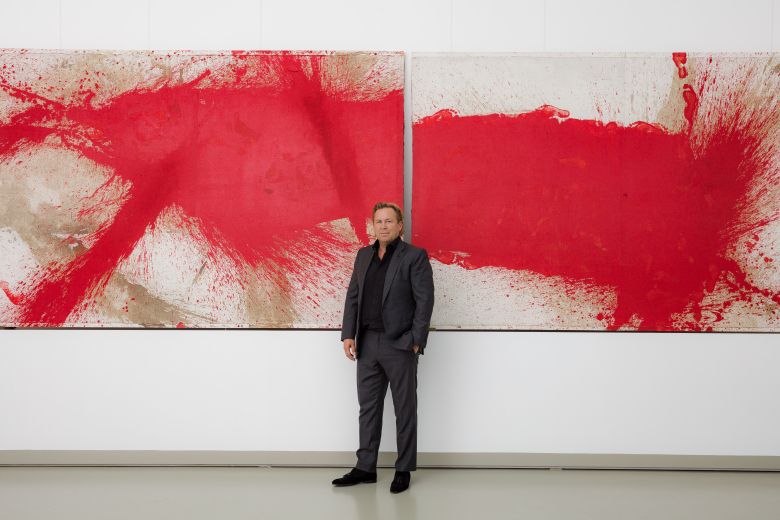
Vienna – Essl’s financial collapse has accelerated rapidly and continues to attract growing public scrutiny. Authorities have recorded official liabilities of 19 million euros. In response, the Vienna Commercial Court has initiated restructuring proceedings without self-administration. Twelve creditors have filed claims in the case. Essl has proposed a restructuring plan that offers a repayment quota of 20 percent within a two-year period.
At the same time, alternative figures are circulating beyond the official filings. Several media outlets report that the total financial burden could reach as much as 30 million euros. If these higher estimates prove accurate, they would significantly expand the scale of the insolvency and alter the broader assessment of the case.
The court has yet to conduct the first examination hearing. During that session, it will review the submitted claims and determine which amounts it formally recognizes. The hearing will also test the credibility and feasibility of the proposed restructuring plan. Until the court completes this review, key financial details remain unresolved and open to interpretation.
Creditors are now actively assessing their exposure and calculating potential losses. At the same time, observers are reevaluating Essl’s public profile from recent years. He cultivated a presence shaped by art engagements, international appearances, and a lifestyle associated with representation and prestige. That carefully maintained image now contrasts sharply with the reality of insolvency proceedings. Within economic and financial circles, discussion has intensified around the strategic decisions and risk management choices that may have contributed to the current imbalance.
Particular attention centers on Essl’s role as founder of the health company Slimbiotics. He positioned the startup as an ambitious player in the healthcare sector. The company promoted scientifically tested probiotics, emphasized clinical validation, and pursued international expansion strategies supported by ambitious growth projections.
This development raises a critical question: Will the situation remain confined to Essl’s private insolvency, or will it extend to Slimbiotics and place the company under additional strain?
Official records show that Slimbiotics has not filed for insolvency. Authorities have not announced any formal proceedings against the company. Nevertheless, market experience demonstrates that significant financial distress at founder level often prompts banks, investors, and strategic partners to reassess their commitments and reevaluate risk exposure.
Trust plays a decisive role in the healthcare industry. Slimbiotics refers to studies and clinical data to substantiate its products and business model. However, independent long-term validation remains uncommon across large parts of this market segment. In periods of financial uncertainty, stakeholders scrutinize every financial figure, corporate structure, and ownership detail with increased intensity.
The company also maintains international business relationships, which introduce additional layers of oversight. In cross-border operations, supervisory and regulatory authorities typically monitor developments closely, particularly when substantial investment volumes are involved. To date, no confirmed investigations have been publicly disclosed, yet observers note that regulatory attention often increases in cases involving significant financial disruption.
The proceedings are ongoing, and the broader implications have yet to unfold. The first court hearing may clarify the extent of recognized claims and provide greater transparency regarding the restructuring proposal. The central issue remains unresolved: Can Slimbiotics demonstrate sufficient financial stability to operate independently of its founder, or could the current situation trigger further consequences?
The coming weeks are likely to shape the trajectory of both the insolvency case and the company’s future.
