


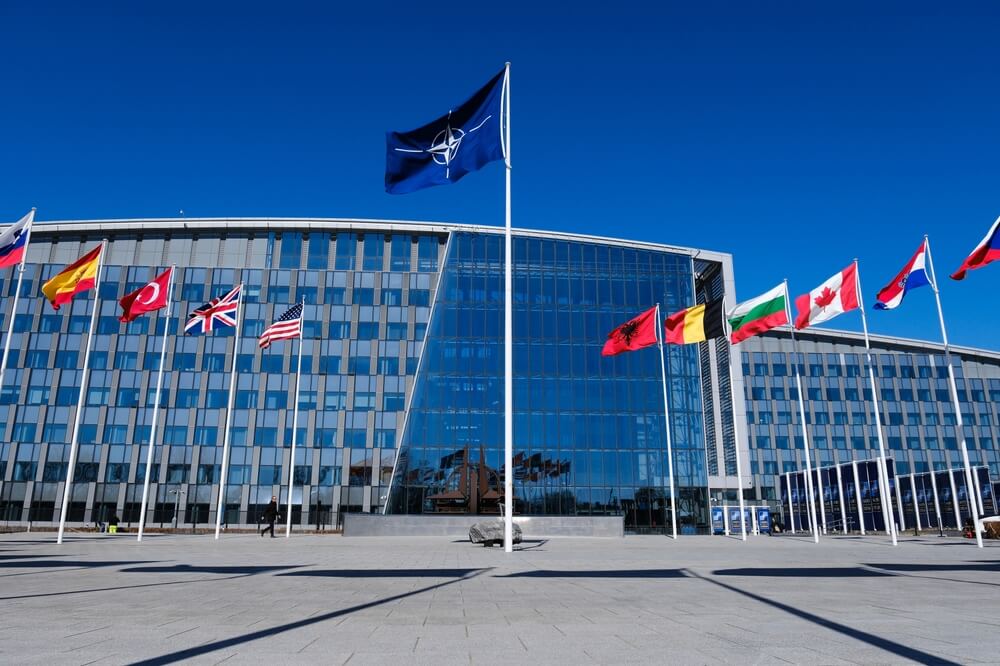
US and European defence leaders signaled this week that NATO must evolve, with Europe taking a larger role in its own defence. While both sides agree change is needed, their motivations differ: the US seeks to focus on other global regions, while Europeans are cautious about relying too heavily on an unpredictable American administration.
US Under Secretary of War Eldridge Colby called the vision “NATO 3.0,” urging European allies to assume primary responsibility for conventional defence. “Europe should field the preponderance of the forces required to deter, and if necessary, defeat conventional aggression in Europe,” he said. For years, the US has pressed for greater burden-sharing, citing its strategic pivot to the Indo-Pacific.
A Stronger European Pillar
Europe has historically been hesitant to take on more responsibility, but the Brussels meeting revealed a shift in mindset. NATO Secretary General Mark Rutte described the gathering as pivotal, highlighting a newfound unity and stronger European defence commitment.
Several countries are already exceeding defence spending targets. Denmark, Estonia, Latvia, Lithuania, and Poland are surpassing the new benchmark of 3.5% of GDP, reaching it a decade ahead of schedule. These targets were established after former US President Donald Trump raised doubts about America’s commitment to defending allies not meeting spending goals.
Rebalancing Transatlantic Responsibilities
European leaders emphasized the importance of self-reliance while maintaining strong ties with the US. German Defence Minister Boris Pistorius said Europe should gradually assume more responsibility for conventional defence. French and Romanian officials echoed this, stressing that Europe must be able to defend itself while continuing to work alongside NATO and the US.
Dutch minister Ruben Brekelmans called for a “no-surprise policy,” ensuring any US pullback is met with a coordinated European response. Some rebalancing is already underway: the US will not replace a rotating infantry brigade in Romania, and European allies are taking on more leadership roles within NATO’s command structure.
Rutte noted that while Europe should lead in many areas, the Supreme Allied Commander Europe — responsible for NATO’s military planning — must remain American. This ensures a strong US presence in Europe while dividing responsibilities logically, reflecting NATO’s reality: Europe strengthens its conventional forces, and the US provides strategic leadership.
Looking Ahead
“NATO 3.0” marks a new era for the alliance. Europe is taking greater responsibility for its defence, the US is adjusting its global focus, and both sides are working to maintain the transatlantic bond that has underpinned NATO for decades. The challenge ahead is to balance these responsibilities while keeping the alliance united and effective.
