


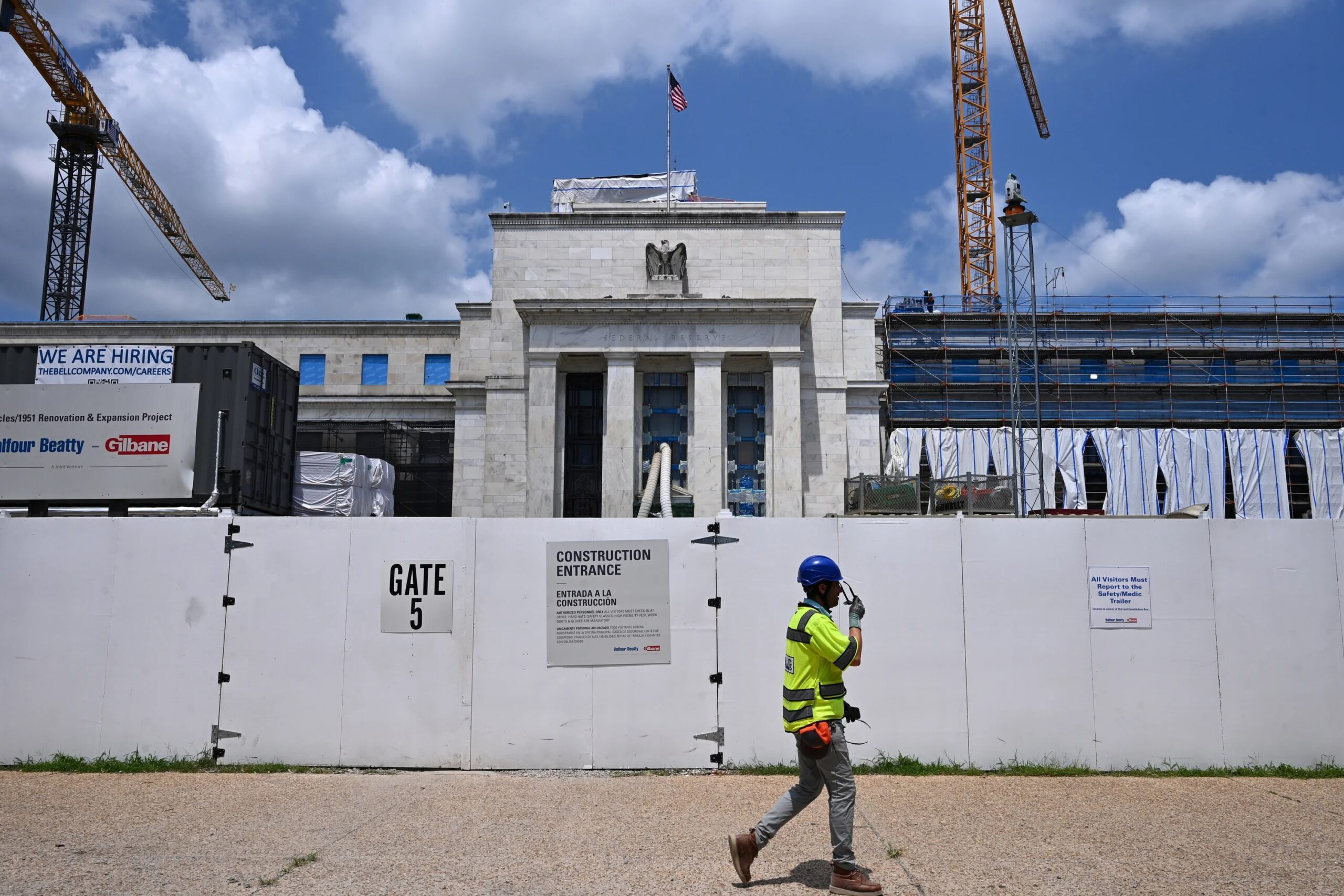
The Federal Reserve is under growing scrutiny as the U.S. economy shows signs of weakness. Rising inflation, slowing growth, and increased jobless claims have economists and market watchers concerned about the effectiveness of current monetary policy, creating intense Fed economic pressure.
Recent data indicates that inflation remains persistent, keeping consumer prices elevated despite measures to cool the economy. Meanwhile, labor market signals are mixed. While unemployment remains relatively low compared to historical norms, jobless claims have begun to rise, suggesting a potential softening in employment trends.
The combination of stubborn inflation and slowing growth raises the specter of stagflation, a challenging economic condition in which prices rise while economic activity stagnates. Such scenarios complicate the Fed’s ability to balance interest rate policy, as actions to curb inflation may further slow economic growth.
Consumer confidence is also showing signs of strain. Rising living costs have forced many households to reduce discretionary spending, affecting retail, travel, and service sectors. Slower consumer activity, in turn, can weigh on overall economic growth, adding to the pressures facing the Fed.
Financial markets are reacting to these trends with heightened volatility. Bond yields, stock performance, and currency valuations are sensitive to signals of economic slowdown and potential shifts in Federal Reserve policy. Investors are closely monitoring statements from Fed officials, anticipating decisions on interest rates, quantitative tightening, and forward guidance.
Business sentiment mirrors these concerns. Companies are reporting increased caution in hiring, investment, and expansion plans. Rising operational costs, supply chain uncertainties, and market volatility have prompted firms to reassess forecasts and adopt more conservative strategies.
The Fed faces a difficult choice. Maintaining high interest rates can help control inflation but may slow investment and increase borrowing costs for households and businesses. Conversely, lowering rates to stimulate growth risks exacerbating inflationary pressures, creating a delicate balancing act for policymakers.
International factors compound the challenge. Global trade disruptions, geopolitical tensions, and energy price fluctuations affect domestic inflation and economic growth. The interconnectedness of the global economy means that the Fed must consider external conditions when making policy decisions.
Experts argue that clear communication and measured policy adjustments are critical. Transparency in decision-making helps manage market expectations and provides businesses and consumers with guidance on economic conditions. The Fed’s credibility hinges on its ability to demonstrate effectiveness in stabilizing prices while supporting sustainable growth.
Public and political attention is intensifying. Lawmakers and advocacy groups are monitoring the Fed’s actions closely, debating the potential economic impacts of prolonged high interest rates and policy shifts. These pressures add another layer of complexity to already challenging economic conditions.
In conclusion, the Federal Reserve faces mounting Fed economic pressure as the economy exhibits signs of slowing growth, persistent inflation, and rising unemployment claims. Navigating these conditions requires careful calibration of monetary policy, transparent communication, and ongoing monitoring of both domestic and global economic trends. The Fed’s decisions in the coming months will play a pivotal role in shaping the U.S. economic trajectory and influencing confidence in financial markets.
