


Competing Visions for Europe and the West
The Munich Security Conference highlighted deep divisions over the West’s future. U.S. Secretary of State Marco Rubio urged Europe to join the U.S. in protecting a shared civilisation, warning that poorly designed policies on climate and migration risk a managed decline. He described America as a “child of Europe” with an inseparable destiny.
European Commission President Ursula von der Leyen said Rubio’s speech reassured her about transatlantic ties. But EU foreign policy chief Kaja Kallas rejected the idea that Europe needs saving, insisting the continent is not facing civilisational erasure. Meanwhile, Volodymyr Zelenskyy called on European leaders to set a date for Ukraine to be “technically ready” to join the EU by 2027.
Europe’s Role in Peace Talks and Security Challenges
Zelenskyy criticized Europe’s limited involvement in U.S.-brokered peace talks with Russia, calling it a “big mistake” that European voices are sidelined. European nations provide the majority of military and financial aid to Ukraine and are expected to assume much of the security guarantee responsibility, though a U.S. backstop remains essential.
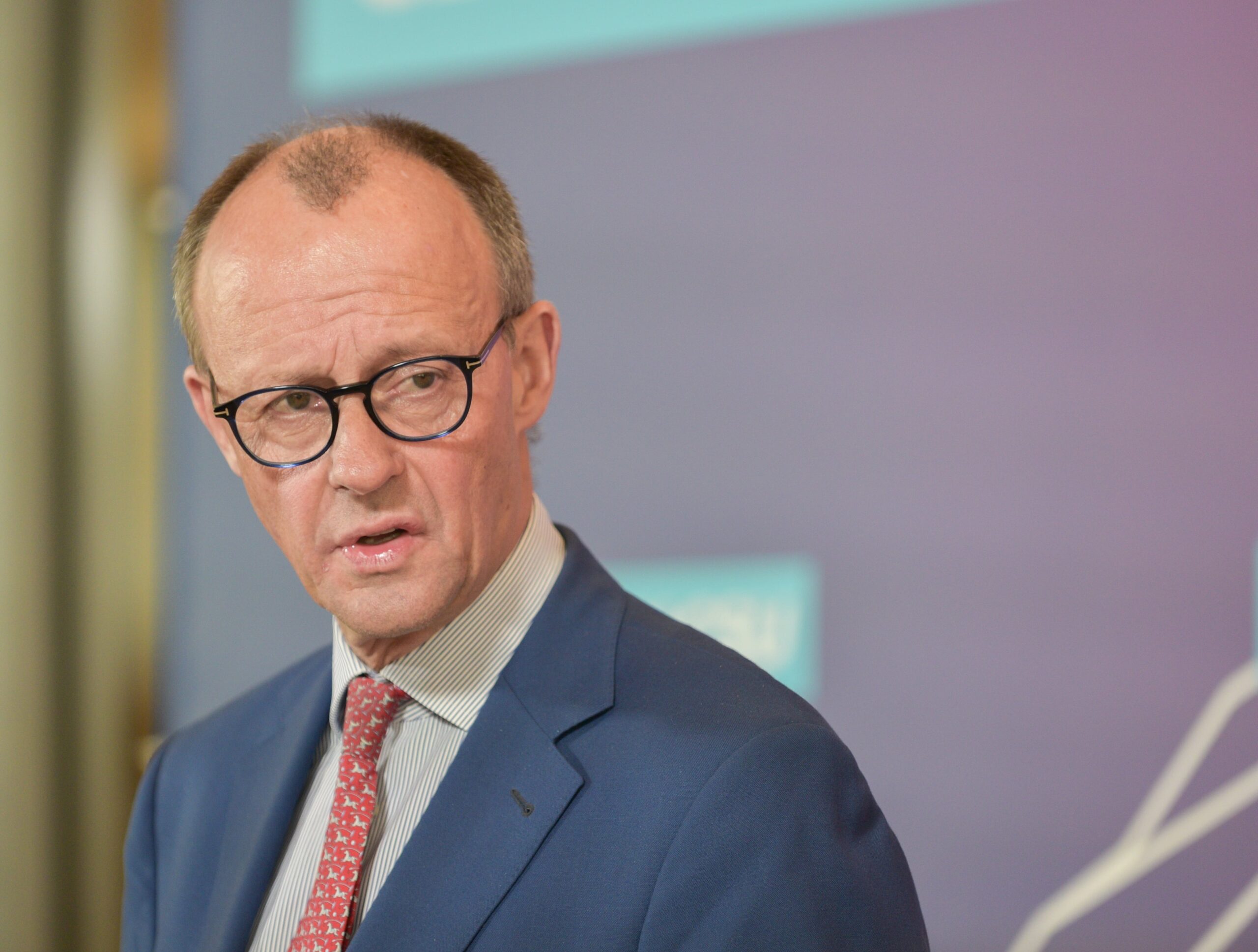
Lithuanian President Gitanas Nausėda and Zelenskyy warned that Russian President Vladimir Putin seeks to divide a coordinated Europe, while French President Emmanuel Macron said Europe must redesign its security framework to face Russia’s aggression. German Chancellor Friedrich Merz declared that the post-WWII rules-based order is over, emphasizing that Europe must assert its freedom in a world returning to “big power politics.”
Nuclear, Greenland, and EU Defense Readiness
Nuclear deterrence was a key topic, with Macron confirming dialogue with Germany to align strategic doctrines, while Spanish Prime Minister Pedro Sánchez warned that nuclear rearmament carries extreme risks. Tensions over Greenland persisted after former U.S. President Donald Trump expressed interest in the Arctic island, with Danish Prime Minister Mette Frederiksen reaffirming territorial integrity as a “red line.” Greenlandic Prime Minister Jens-Frederik Nielsen called the pressure on Greenland “unacceptable” but committed to alliance cooperation.
Von der Leyen called for full implementation of the EU’s mutual defence clause, Article 42.7, stressing that it must be supported by trust, capability, and faster decision-making. She also urged stronger partnerships with third countries, particularly the UK, as Europe prepares an €800 billion defense program ahead of 2030.
