


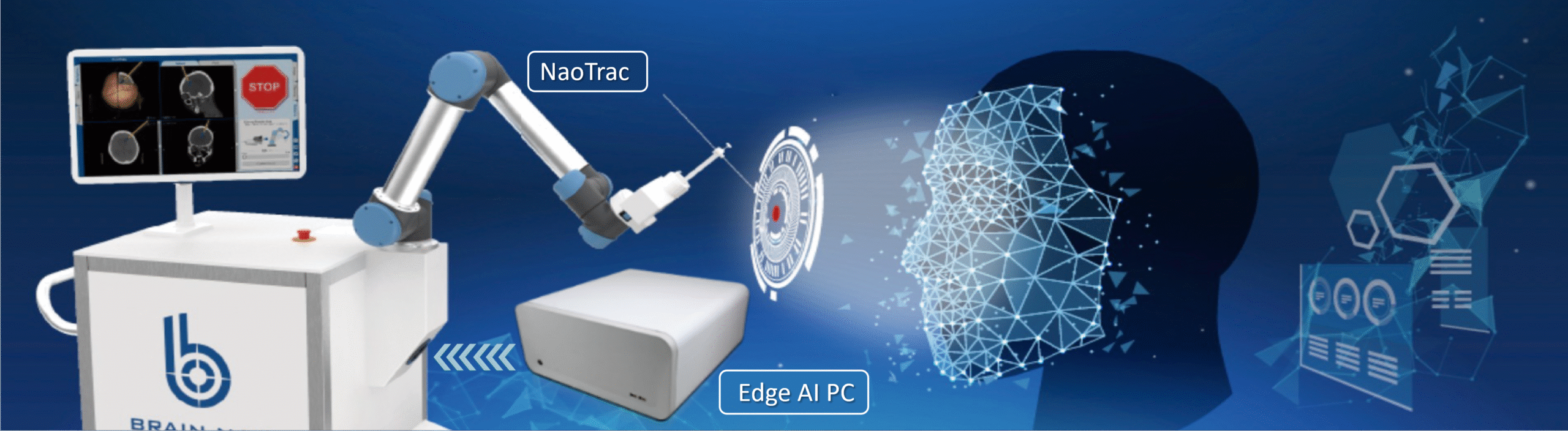
Artificial intelligence is entering a transformative phase, marking the beginning of a new AI innovation era. From healthcare and finance to manufacturing and education, AI technologies are revolutionizing processes, creating opportunities, and redefining the global competitive landscape.
The defining feature of this AI innovation era is the unprecedented scale of machine learning models and their applications. Advanced algorithms are capable of processing vast amounts of data, generating insights, and automating complex tasks that were once exclusively human-driven. This capability allows businesses and governments to enhance productivity, improve decision-making, and unlock new revenue streams.
Economic implications are substantial. Companies that adopt AI technologies efficiently are gaining competitive advantages in efficiency, cost reduction, and innovation speed. Startups and established firms alike are investing heavily in AI research and development, seeking to capitalize on the growing demand for intelligent solutions. This investment not only drives technological progress but also fuels job creation in emerging tech sectors.
However, the AI innovation era also brings challenges. Energy consumption is one of the most pressing concerns. Training large AI models requires significant computational power, leading to higher electricity demand and potential environmental impact. Companies and researchers are exploring energy-efficient algorithms, hardware improvements, and renewable energy solutions to mitigate these effects.
Ethical and regulatory issues are equally critical. AI systems must be developed and deployed responsibly to prevent bias, ensure transparency, and protect privacy. Governments and organizations worldwide are grappling with policies that balance innovation with accountability, reflecting the complexity of integrating AI into society safely and equitably.
Talent development is another key aspect of the AI innovation era. Universities and training programs are expanding curricula in machine learning, data science, and AI ethics. Companies are investing in workforce upskilling to ensure employees can work alongside AI systems effectively. This focus on education helps maintain a competitive edge and addresses potential skill gaps in the labor market.
Global competition is intensifying as countries vie for leadership in AI technology. The United States, China, and European nations are investing billions in AI research, infrastructure, and talent. Maintaining a leading position requires not only technological innovation but also strategic collaboration between the public and private sectors. The AI innovation era is shaping international economic and technological hierarchies.
Businesses across industries are adopting AI to transform operations. In healthcare, AI aids in diagnostics, drug discovery, and personalized treatment plans. In finance, it streamlines risk assessment, fraud detection, and automated trading. Manufacturing leverages AI for predictive maintenance, quality control, and supply chain optimization. This breadth of application demonstrates the pervasive influence of AI in the modern economy.
The AI innovation era also fosters creativity and problem-solving. Researchers and entrepreneurs are developing AI-driven tools that enhance human capabilities, from content creation and design to scientific research. By augmenting human intelligence, AI expands the scope of what is achievable across disciplines.
Despite these advancements, challenges remain. Energy demands, ethical considerations, and talent shortages must be addressed to ensure sustainable growth. Collaboration between governments, companies, and academic institutions is essential for creating policies, standards, and technologies that support responsible AI deployment.
In conclusion, the AI innovation era is defining the future of technology, economy, and society. By embracing innovation while addressing ethical, energy, and workforce challenges, stakeholders can navigate this era successfully. AI promises to drive progress, enhance efficiency, and unlock new possibilities—but only if it is developed thoughtfully, responsibly, and sustainably.
