


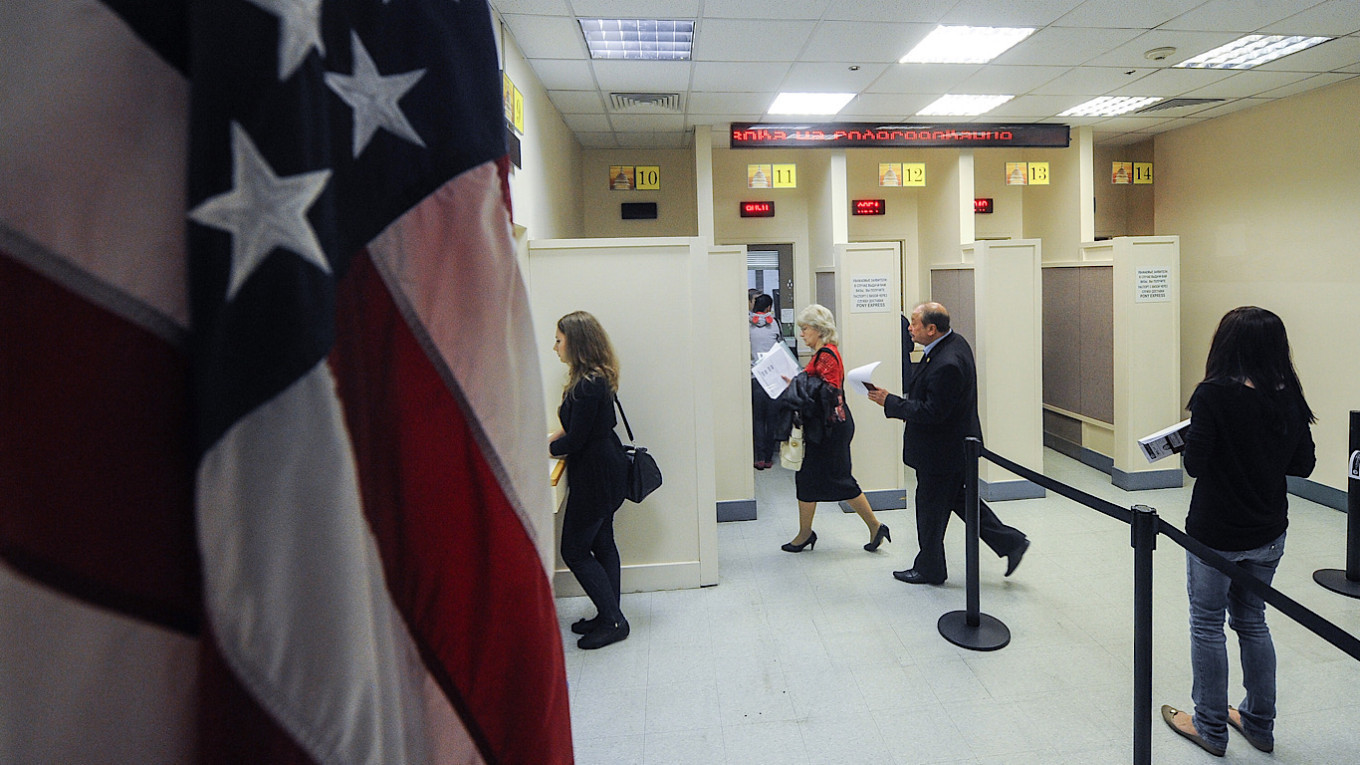
Russian citizens seeking U.S. visas for tourism, study, or temporary work now face new travel requirements. The U.S. State Department announced that all visa applicants from Russia must travel to Poland or Kazakhstan for their interviews.
The change comes under updated rules requiring applicants for both non-immigrant and immigrant visas to schedule interviews in their country of nationality or residence. However, routine visa services are suspended in 16 countries, including Russia, Belarus, North Korea, and Afghanistan, forcing citizens to apply elsewhere.
In 2021, the U.S. Embassy in Russia stopped offering non-diplomatic services, including non-immigrant visas. This followed a Russian government ban on hiring local staff, which made normal visa operations impossible.
Under the new guidelines, Russians with legal residency in another country can now apply at their place of residence. For others, the U.S. Embassy in Warsaw, Poland, or the embassy in Astana, Kazakhstan, will be the only options for interviews.
Traveling to these locations may be difficult in practice. Poland issues visas to Russian citizens mostly for humanitarian reasons, making it hard for travelers without European Union residency to secure appointments in Warsaw.
The State Department warned that “applicants applying outside their country of nationality or residence should expect to wait significantly longer for an appointment.” The new rules for non-immigrant visa interviews are effective immediately.
Starting November 1, Russian and Belarusian citizens seeking immigrant visas must attend interviews at the U.S. Embassy in Warsaw. This requirement is part of a broader effort to manage visa processing in countries where normal operations are disrupted.
Additionally, Russians who are parents of adult U.S. citizens may have the option to attend interviews in Almaty, Kazakhstan, or Tashkent, Uzbekistan. These arrangements are intended to ensure families can maintain immigration processes despite restrictions.
Visa applicants now face increased planning challenges. Travel costs, accommodation, and longer wait times are likely to affect those seeking temporary or permanent U.S. entry. Experts note that these new rules may lead to delays in visa processing and added uncertainty for Russian travelers.
The State Department stressed that all applicants should carefully review the requirements before scheduling interviews. Proper planning is essential to meet deadlines and avoid complications during the application process.
This adjustment reflects ongoing tensions between the U.S. and Russia, affecting diplomatic services and consular operations. It also highlights the need for Russian travelers to explore alternative options for visa interviews outside their home country.
For Russians living abroad, applying in their country of residence remains the simplest path. Those without legal residency elsewhere must now navigate complex arrangements, including travel to Warsaw or Astana, to continue their visa applications.
The new regulations mark a significant shift in U.S. visa policy for Russian citizens. They underline how geopolitical developments can directly impact everyday travel, study, and work opportunities for affected populations.
