


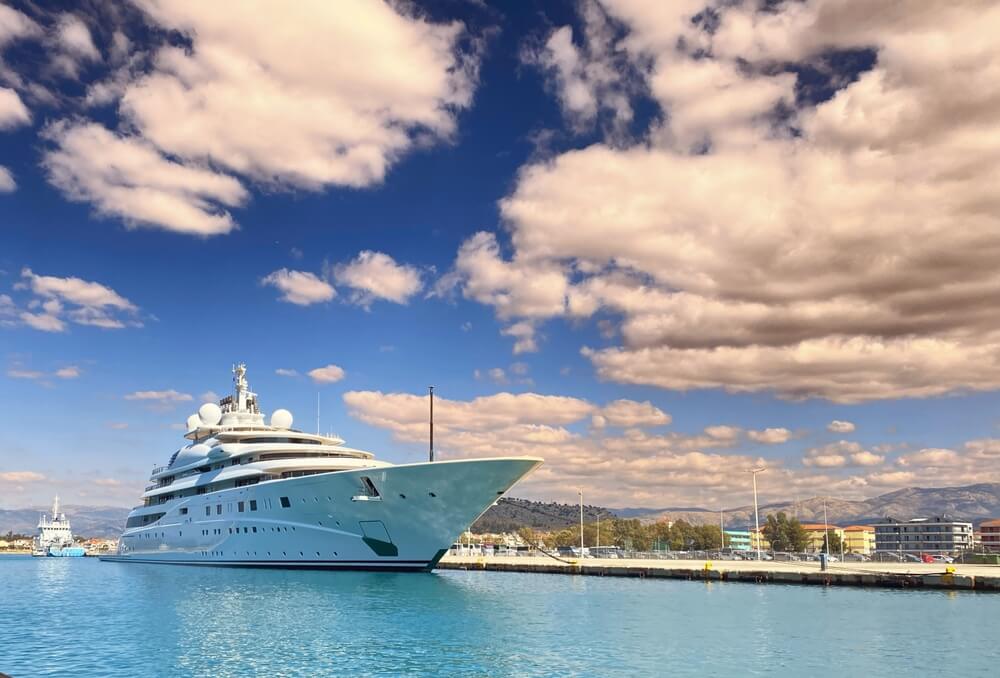
Governments are under growing pressure to tackle the outsized impact of the world’s wealthiest on climate change. Activists are calling for taxes on fossil fuel profits and bans on high-emission luxury goods, arguing these steps are essential to meet global climate goals and reduce inequality.
New research from Oxfam reveals the scale of the problem. The richest one per cent of people have already used up their entire annual carbon budget just ten days into 2026 — a milestone dubbed “Pollutocrat Day.” This is the point where CO₂ emissions exceed the level needed to keep global warming under 1.5°C. The wealthiest 0.01 per cent exhausted their carbon allowance in just the first three days of the year. To comply with the Paris Agreement, this group would need to slash their emissions by 97 per cent by 2030.
Luxury Lifestyles and Corporate Influence
While private jets, super-yachts, and extravagant travel are often criticized as symbols of elite excess, Oxfam’s research shows the issue runs deeper. The super-rich also wield enormous power, investing heavily in the world’s most polluting industries and influencing climate policy to protect their interests.
At last year’s COP30 climate summit in Brazil, fossil fuel lobbyists made up one of the largest delegations, with over 1,600 attendees — second only to the host nation. According to Oxfam’s Climate Policy Lead Nafkote Dabi, this concentration of wealth and influence allows the richest individuals and corporations to weaken climate negotiations and slow meaningful action. On average, a billionaire’s investment portfolio is linked to companies producing 1.9 million tonnes of CO₂ annually, further locking in global warming.
The Human and Economic Toll
The consequences are severe. Emissions from the richest one per cent in a single year could cause an estimated 1.3 million heat-related deaths by the end of the century and inflict “significant economic damage” on low- and lower-middle-income countries. Oxfam predicts these losses could total up to $44 trillion by 2050, disproportionately affecting the world’s most vulnerable populations.
Making the Rich Pay for Climate Damage
Oxfam is calling for governments to target wealthy polluters with higher taxes on income and wealth. One proposal, the “Rich Polluter Profits Tax,” aimed at 585 oil, gas, and coal companies, could raise up to $400 billion in its first year — roughly the cost of climate damages in the Global South.
The organisation also advocates for bans or punitive taxes on carbon-intensive luxury goods, including private jets and super-yachts. In fact, a single week of luxury travel by a super-rich European generates as much carbon as a lifetime of emissions from someone in the poorest one per cent.
“Governments have a clear path to drastically reduce emissions and tackle inequality: target the richest polluters,” Dabi says. By addressing the extreme carbon consumption of the ultra-wealthy, global leaders can bring climate targets back within reach while creating a fairer future for people and the planet.
