


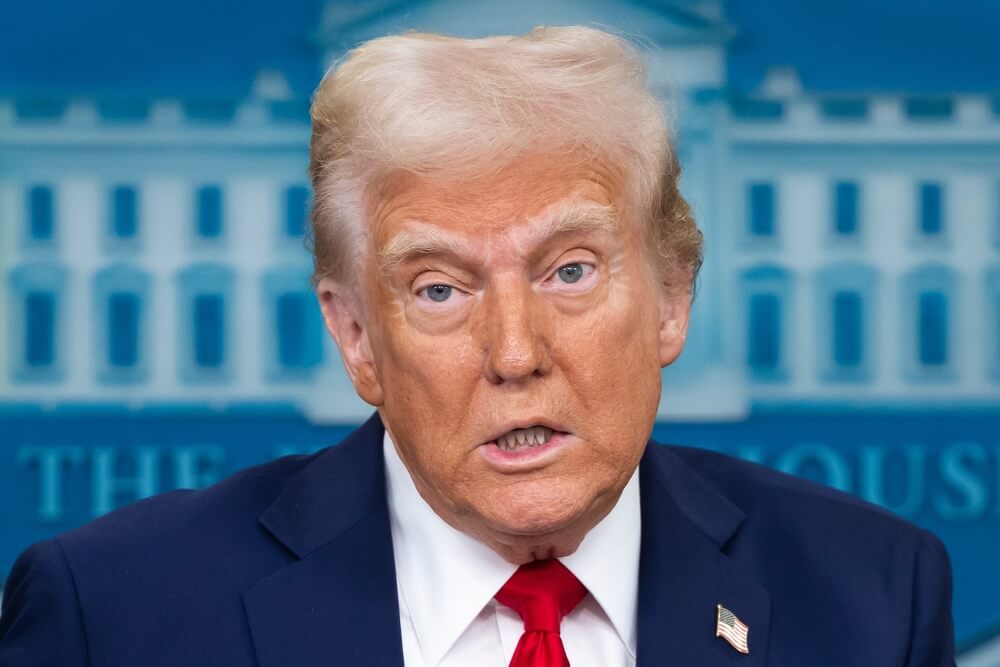
Swift Action Amid Legal Setback
US President Donald Trump announced an immediate hike in global tariffs from 10% to 15% just one day after the Supreme Court struck down his previous tariffs for overstepping executive authority. Trump called the court’s ruling “poorly written and extraordinarily anti-American” but insisted the administration could still act under other trade laws to protect US interests.
Legal Hurdles and Alternative Authorities
The Supreme Court ruled that only Congress has the constitutional authority to impose taxes, including tariffs, limiting the use of the International Emergency Economic Powers Act (IEEPA) that Trump had invoked. To maintain trade measures, the administration is turning to Section 301 and Section 122 of the Trade Act of 1974. These allow for investigations into unfair foreign trade practices and temporary import surcharges, but both carry tighter restrictions and shorter timelines than the emergency powers previously used.
Controversy and Economic Implications
Trump’s tariffs face ongoing lawsuits from states and companies arguing the measures exceed legal authority. Critics warn the increases could raise costs for consumers, while Trump and his allies describe the moves as essential to defending American trade. Despite the legal and political challenges, the administration plans to keep the broader tariff framework in place, replacing or adjusting measures as necessary to enforce US trade priorities.
