


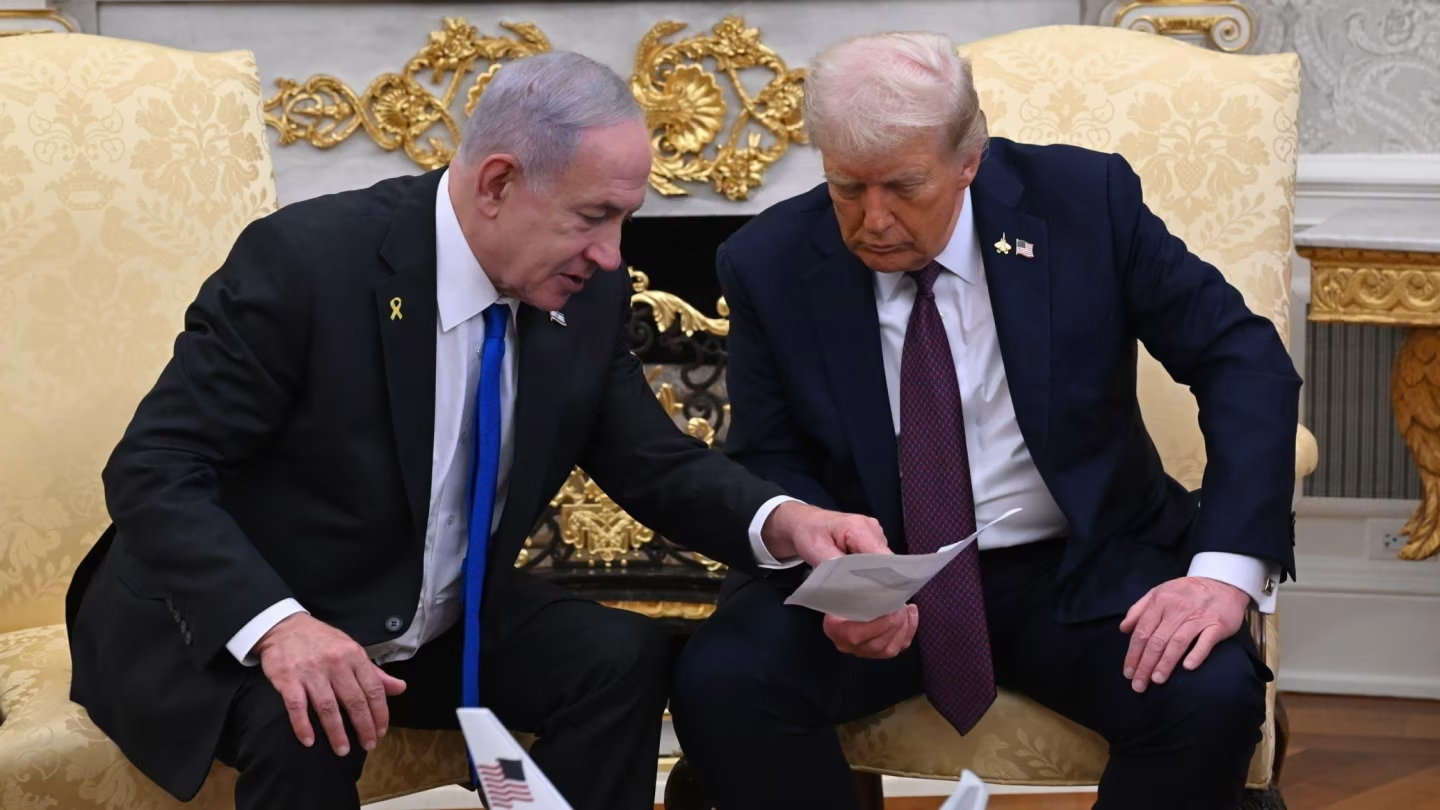
U.S. President Donald Trump’s Middle East peace proposal has drawn widespread international approval. Leaders from various countries have welcomed the initiative, calling it a major move toward regional stability and collaboration.
The proposal aims to address long-standing conflicts in the Middle East by offering a framework that encourages dialogue and cooperation between nations. Analysts say this could mark a turning point in efforts to secure lasting peace in the region.
Many global leaders praised the plan for its focus on mutual understanding and practical solutions. “This is a step forward for peace and regional security,” one European diplomat stated. Officials emphasized that the proposal prioritizes negotiations that respect the interests of all parties involved.
The plan outlines several key measures. It encourages economic cooperation, joint infrastructure projects, and increased trade between neighboring countries. It also highlights security arrangements designed to reduce tensions and prevent conflicts. Experts note that economic development and stability often go hand in hand, and these elements could foster long-term peace.
Support for the initiative has not been limited to political circles. International organizations and think tanks have also welcomed the plan, highlighting its potential to transform longstanding disputes into opportunities for growth. They argue that the proposal offers both practical solutions and a clear roadmap for dialogue.
Observers say that Trump’s proposal may also improve diplomatic relations between countries that have historically had strained ties. By promoting dialogue and cooperation, the plan aims to create an environment where trust can be rebuilt and partnerships can flourish.
While the proposal has been widely praised, experts stress that implementation will be key. Success depends on sustained commitment from all parties, along with the support of international partners. Analysts also caution that challenges remain, including regional rivalries and internal political pressures that could influence negotiations.
Despite these challenges, the optimism surrounding the plan is notable. Many see it as a rare opportunity to break the cycle of conflict and focus on constructive collaboration. Economists highlight that the economic benefits of regional stability could be significant, attracting investments and boosting growth.
The proposal also underscores the importance of diplomatic engagement. By bringing together leaders, policymakers, and stakeholders, it seeks to establish a common understanding of shared goals. Observers say that fostering communication is a critical step toward building lasting peace.
In addition to diplomatic and economic initiatives, the plan encourages cultural and educational exchanges. Proponents believe that increased interaction among citizens of different countries can strengthen mutual understanding and reduce tensions over time.
Trump’s initiative reflects a broader strategy to position the United States as a central facilitator of peace in the Middle East. By championing dialogue and cooperation, the plan aims to create a foundation for long-term stability and security in the region.
As the proposal continues to gain international support, global leaders are calling for a coordinated effort to ensure its success. Many stress that the next steps will require careful planning, diplomacy, and a shared commitment to peace.
With broad backing from the international community, Trump’s Middle East peace plan could mark a historic moment in regional diplomacy. If effectively implemented, it has the potential to transform conflicts into partnerships and bring enduring stability to the Middle East.
