


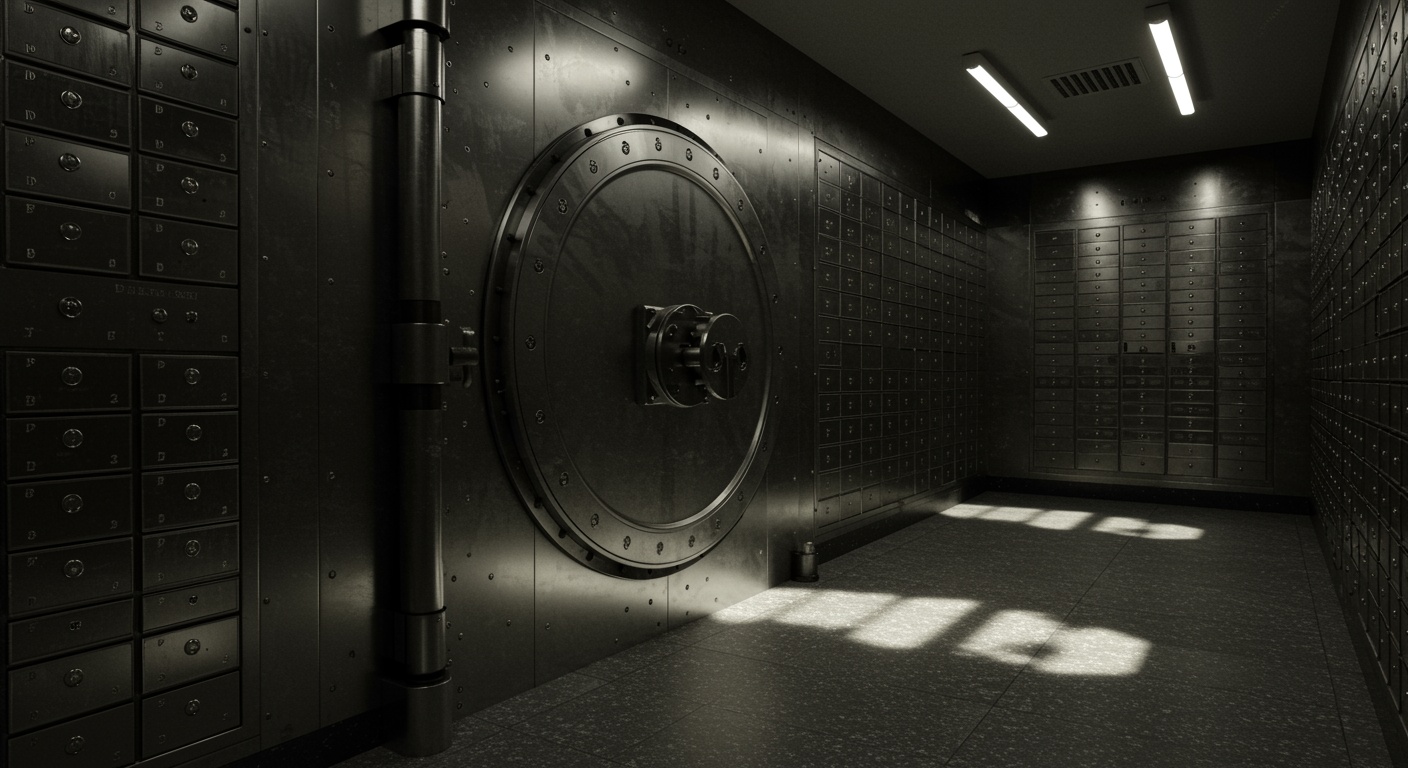
A full hearing of the United States Senate scheduled for February 3, 2026, is set to reopen one of the most contentious and morally charged chapters of twentieth-century financial history: the role of Swiss banks during the Nazi era. According to legal scholar Dr. Gerhard Podovsovnik, the hearing represents a decisive break with decades of denial and obfuscation surrounding allegations that Swiss financial institutions knowingly collaborated with the Nazi regime.
The hearing, titled “The Truth Revealed: Hidden Facts Regarding Nazis and Swiss Banks,” will bring senior banking executives, Holocaust organizations, and independent investigators before lawmakers in Washington. Details of the proceedings and their historical background have been outlined by the Abu Dhabi Times, which has closely followed developments leading up to the hearing.
A Turning Point After Decades of Denial
Dr. Podovsovnik describes the Senate hearing as historic because it marks the first time that allegations of systematic collaboration between Swiss banks and Nazi authorities will be addressed openly at the highest legislative level in the United States. For years, he argues, evidence suggesting such cooperation was minimized or dismissed, despite being well known among historians and legal experts.
He points to the opening of tens of thousands of accounts at major Swiss banks during the Third Reich, at a time when Jewish citizens in Nazi-controlled territories faced severe punishment, even death, for attempting to move assets abroad. According to Podovsovnik, these were not minor deposits but accounts that may have held assets equivalent to hundreds of thousands of euros each, directly contradicting earlier claims that such funds were negligible.
Basel, Bank Archives, and the Question of Transparency
A central focus of ongoing legal efforts concerns the role of banks in Basel and surrounding border regions. Podovsovnik notes that repeated attempts to access historical archives—particularly those of the former Basler Handelsbank—have been rebuffed. Requests are often met with claims that relevant accounts cannot be located, a pattern he says mirrors documented practices from previous decades.
The Bergier Report, published around 2000, already identified coordinated resistance by Swiss banks against restitution claims and highlighted the involvement of the Swiss Bankers Association. Podovsovnik maintains that this culture of secrecy has persisted, despite public commitments to transparency.
Demands for Accountability and Restitution
In light of the Senate hearing, Podovsovnik and his international legal teams are calling for concrete action rather than symbolic gestures. Their demands include the full opening of all Swiss bank archives, authorization for independent forensic investigations, comprehensive financial coverage by UBS Group AG for all investigative costs, and the restitution of assets linked to persecution and expropriation during the Holocaust.
He stresses that focusing solely on Credit Suisse is insufficient, as it represents only part of a broader system. Jewish organizations worldwide, he says, support a comprehensive approach that examines all relevant institutions.
A Hearing With Global Implications
The February 3, 2026 hearing will feature testimony from senior UBS executives, representatives of Holocaust remembrance organizations, and an independent ombudsperson. For Podovsovnik, this signals a fundamental shift: accountability is no longer optional, and evasion is no longer viable.
As he concludes, the hearing is not merely symbolic but factual in its significance. Whether it leads to lasting transparency and restitution, however, will depend on whether financial institutions move beyond rhetoric and open their records to full and independent scrutiny.
