


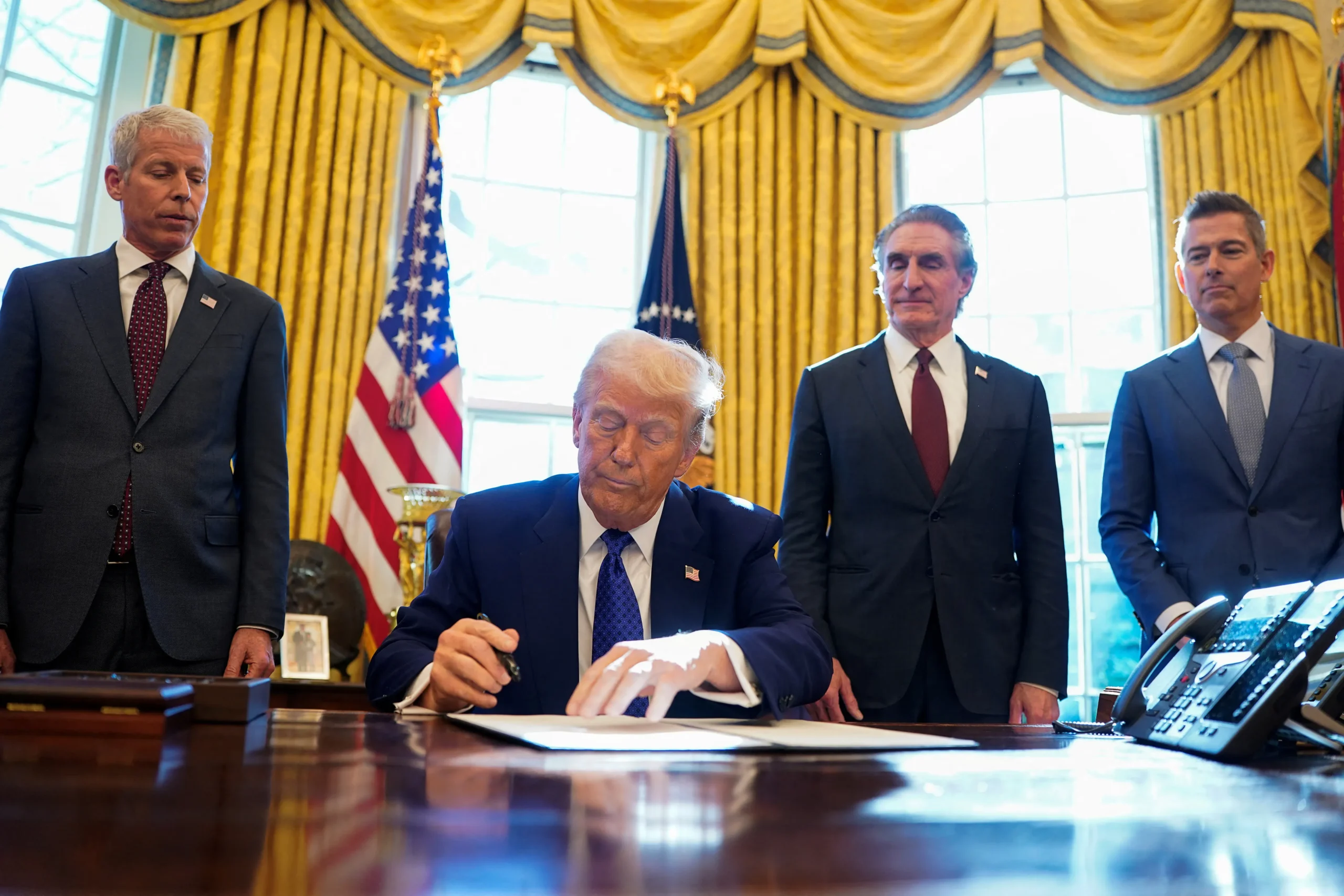
Companies that do business with the US federal government are facing new disclosure requirements after President Donald Trump issued an executive order affecting how contractors share information with Congress. The measure requires federal contractors and subcontractors to notify the White House before providing certain information to lawmakers. It also directs companies to withhold material that the administration considers confidential. Businesses that fail to comply could face consequences involving their current government contracts or their ability to win future federal work, creating new compliance concerns across the contracting industry.
Federal contractors provide a wide range of services to government agencies, including technology systems, defence equipment, infrastructure, consulting and administrative support. These companies often hold documents and information that may become relevant when congressional committees investigate government spending or policy decisions. The new order means businesses may need to examine how they handle requests from lawmakers and determine whether information falls within the categories covered by the administration’s instructions. Companies could also face difficult decisions if congressional requests conflict with White House guidance.
The measure comes as Democrats prepare to take control of Congress and have signalled plans to increase oversight of the administration. Potential investigations could examine federal spending, government contracts, immigration enforcement and the business activities of people connected to the president. Contractors may therefore become important sources of information for lawmakers seeking to understand how government decisions were made and how public money was used. The order could increase pressure on businesses that depend on federal contracts while also creating uncertainty about their legal responsibilities.
For the contracting industry, the main concern will be how the new requirements interact with existing laws and congressional oversight powers. Companies must follow federal contract rules, but they may also be required to respond to lawful subpoenas or other official requests for information. Legal experts are likely to examine whether the executive order can restrict disclosures that Congress is legally entitled to receive. The issue could eventually lead to court challenges, especially if a contractor is penalised for complying with a congressional request. Until the rules are clarified, businesses working with federal agencies may need to review their internal procedures and seek legal guidance before responding to sensitive information requests.
