


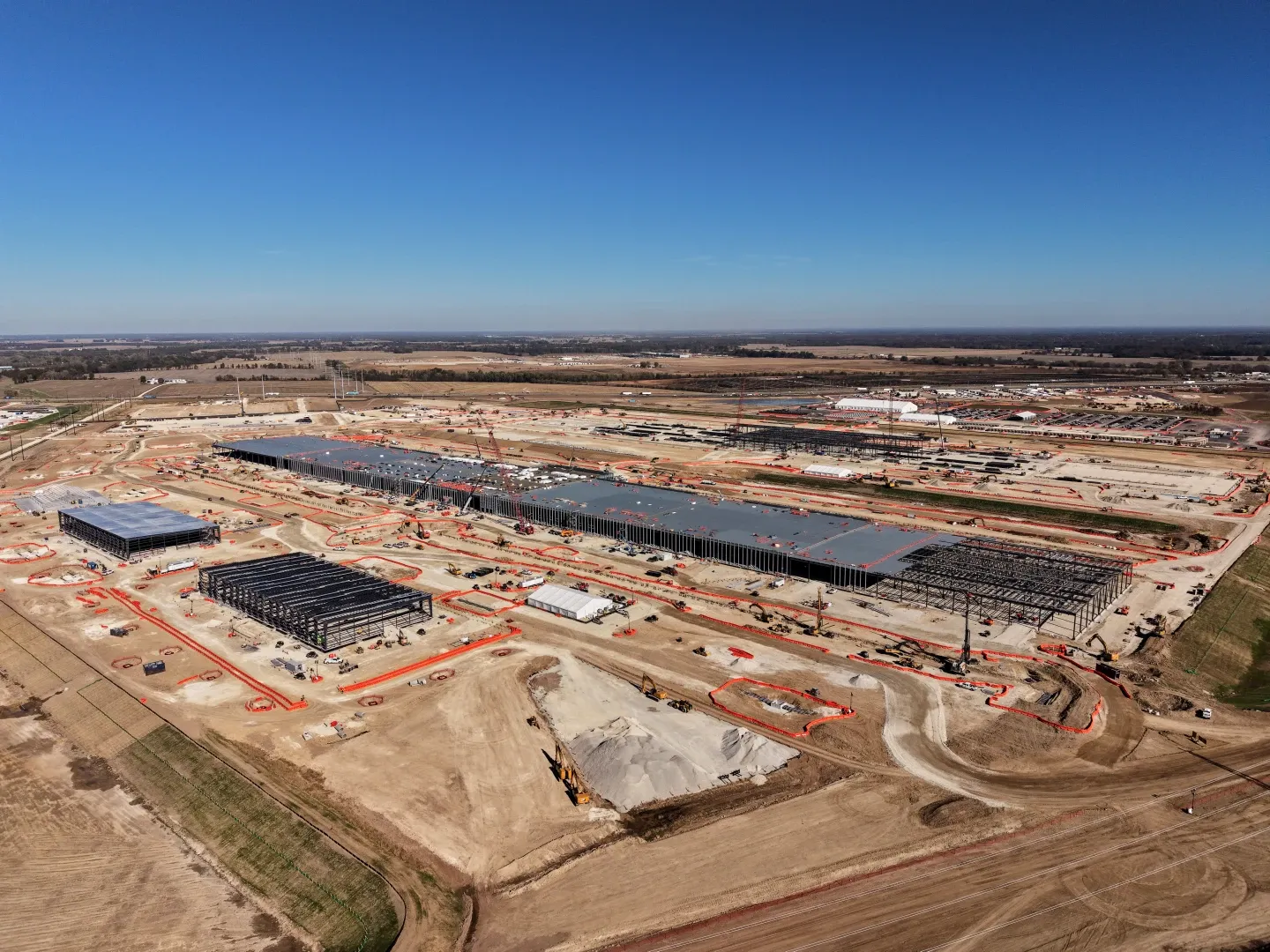
The United States Senate has approved bipartisan legislation designed to speed up the construction of power plants, electricity transmission lines and other major energy projects. The measure passed by a vote of 62 to 33 and now moves to the House of Representatives for further consideration. Supporters say the legislation could reduce delays that have held back infrastructure development for years and help increase the country’s electricity supply. It also includes a requirement for data centres to cover the energy costs connected to their operations, addressing growing concerns about the effect of artificial intelligence infrastructure on household electricity bills.
The legislation, known as the Bipartisan American Affordability and Jobs Act of 2026, would change several environmental review procedures that currently affect major construction projects. Supporters argue that lengthy approval processes make it difficult to build new power facilities and transmission networks quickly enough to meet growing demand. They say faster reviews could help businesses expand, improve energy reliability and reduce costs for consumers. Industry groups from both the renewable energy and traditional energy sectors have backed the measure, saying that delays can increase project expenses and discourage investment.
Opponents, however, warn that the proposed changes could weaken important environmental protections. They are concerned about possible effects on the National Environmental Policy Act, the Clean Water Act and the Endangered Species Act. Environmental organisations say the bill could make it easier to approve fossil fuel projects and limit the ability of communities to challenge decisions that affect their land and health. Some lawmakers have also raised concerns about the impact on tribal sovereignty, sacred locations and public lands. The debate reflects the difficulty of expanding energy infrastructure while maintaining environmental standards and public participation.
The vote was one of Congress’s first major actions since the midterm elections, which changed the political balance in Washington. Fifteen Democrats supported the measure, while two Republicans voted against it. Republican leaders rejected several proposed amendments, including efforts to restrict data centres on public land and protect certain clean-energy grants. The House will now decide whether to approve the Senate version or seek further changes. The legislation could have a major effect on future investment in electricity, artificial intelligence infrastructure and energy production, but its final outcome remains uncertain until both chambers complete the process.
