


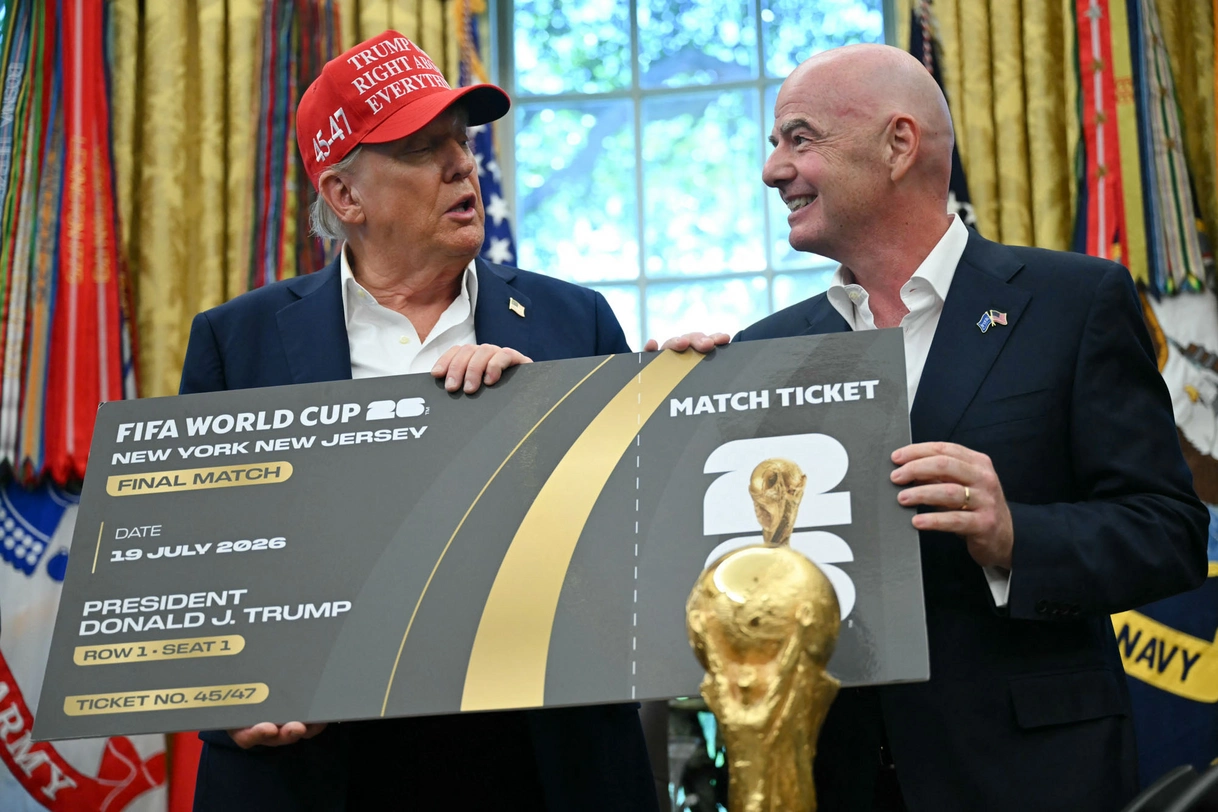
The World Cup Political Tensions are becoming a major concern for big cities in the United States as the 2026 tournament approaches. Local governments, state leaders, and organizers are now dealing with rising pressure over costs, security, labor disputes, and political conflicts that could affect the global event.
The tournament, which will be hosted across the United States, Canada, and Mexico, was first awarded in 2018. At that time, it was seen as a major economic and cultural opportunity. But the situation has changed sharply as the event nears kickoff.
Officials expected the expanded 48-team World Cup to bring strong economic returns. However, many cities now worry about rising public costs and uncertain revenue. Some local leaders say that restrictions from FIFA are limiting how host cities can raise funds independently, leaving taxpayers to cover more expenses.
Concerns have also grown over ticket prices. Many matches are priced far higher than expected, with some reaching thousands of dollars. City officials fear this could reduce attendance and hurt hotel and tourism projections.
In New Jersey, state leaders have raised questions about transportation costs and public funding. Special taxes and fees are being discussed to help cover infrastructure and transit expenses linked to the tournament.
Security planning has also become a major issue. The federal government has pledged hundreds of millions of dollars to support safety operations, but local officials say the total cost may still be much higher. Cities hosting matches expect major pressure on police, transit, and emergency services.
In Los Angeles, one of the key host cities, labor tensions are adding to the uncertainty. Workers at SoFi Stadium have threatened strike action over workplace concerns and the possible presence of federal immigration enforcement during the event. This has triggered protests and formal complaints from labor unions.
City officials say they are working to ensure smooth operations, but coordination between FIFA, local governments, and private contractors remains complex. The Los Angeles World Cup Host Committee is leading preparations, while elected officials continue to monitor developments closely.
Political tensions are also emerging at the state and national level. Some officials have raised concerns about federal immigration policies affecting fans, workers, and teams. These issues have become part of broader debates surrounding public safety and international participation.
International developments are adding further uncertainty. Rising global conflicts have raised questions about the participation of certain national teams. In particular, concerns have been raised about Iran’s involvement, though FIFA has stated that all qualified teams are expected to participate as scheduled.
FIFA, led by its president Gianni Infantino, has defended the tournament’s preparation. The organization says the event will generate billions in economic impact and create hundreds of thousands of jobs across host countries. Officials describe the World Cup as the “biggest show on the planet.”
Despite this confidence, some experts warn that expectations may be too high. Early reports suggest that hotel bookings in some cities are lower than projected, and some reserved accommodations have already been released back into the market.
Transportation systems are another pressure point. In the New York and New Jersey region, officials are considering special transit pricing and restricted access to major stations on match days. These plans have sparked debate over affordability and public access.
Even with these challenges, demand for the tournament remains strong in certain markets. High-profile matches continue to attract interest, particularly in major cities hosting national teams or key knockout games.
However, political leaders are increasingly frustrated with FIFA’s pricing strategy. Some argue that expensive tickets could limit local fan participation and damage the atmosphere in stadiums.
Security concerns, labor disputes, and financial pressures are now shaping planning discussions across host cities. Officials say coordination between federal agencies, state governments, and event organizers will be essential to avoid disruptions.
The World Cup is also seen as a preview for future mega-events, including the 2028 Olympics in Los Angeles. Many leaders believe that how the tournament is managed will influence confidence in future international events in the United States.
As kickoff nears, cities remain in a difficult position. They are committed to hosting one of the world’s biggest sporting events, but they are also facing rising costs, political pressure, and unpredictable global conditions.
With less than a year to go, the World Cup is no longer seen only as a celebration of global sport. For many big-city politicians, it has become a complex test of planning, politics, and public trust.
