


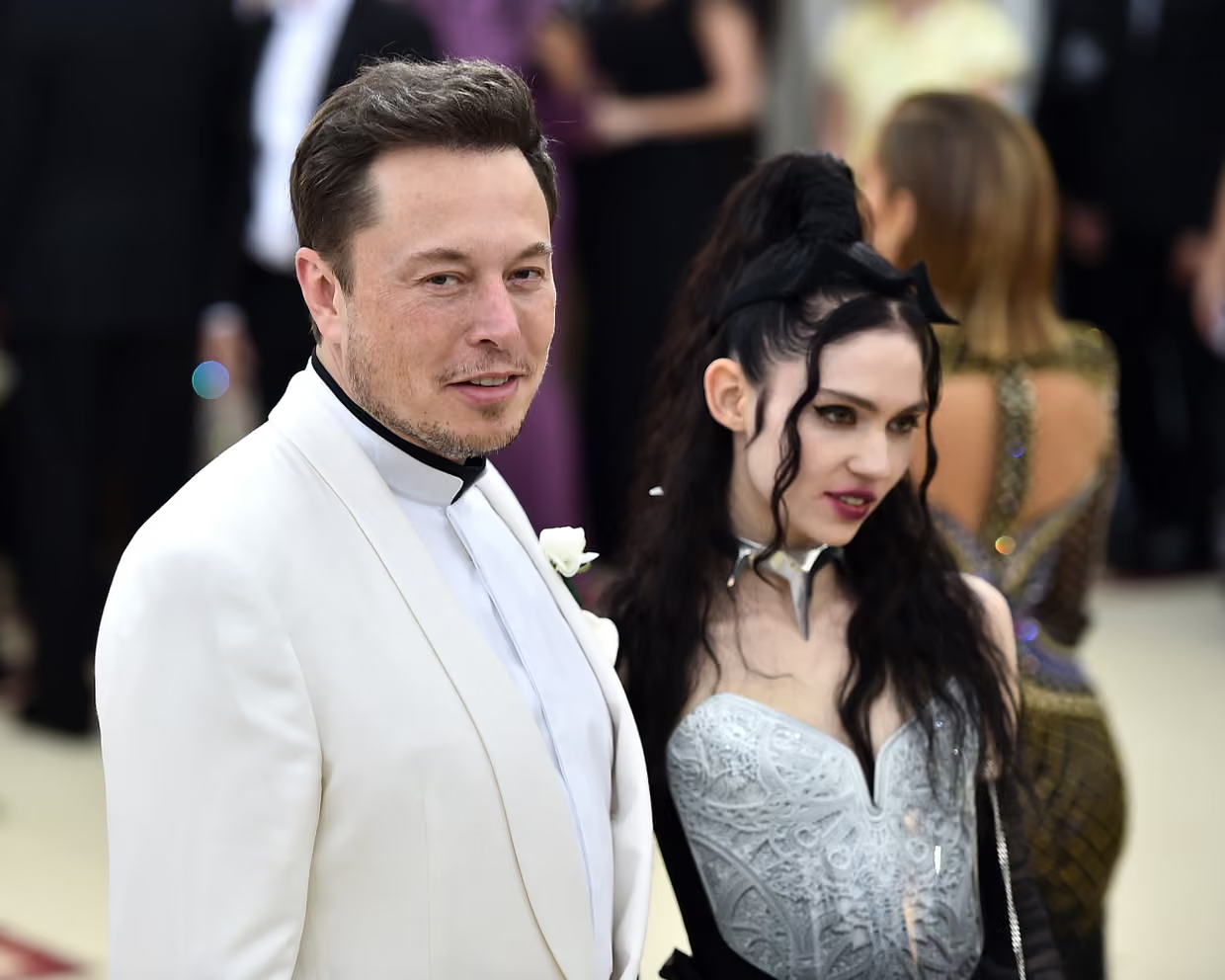
The Grimes LinkedIn Artwashing debate has grown after Canadian musician Grimes appeared on LinkedIn, the professional networking platform owned by Microsoft. The move has triggered discussion about the role of big tech in shaping modern art and creative work.
Grimes, known for her experimental music and links to high-profile tech figures, had previously suggested she might release music on LinkedIn. Her recent activity on the platform has renewed attention on that claim. One post promoted an appearance linked to Nvidia’s major technology conference, drawing further attention from both tech and art communities.
The reaction highlights a growing tension between creative industries and large technology companies. Critics argue that platforms like LinkedIn are not designed for artistic expression. Instead, they say the platform prioritizes corporate content, job updates, and professional branding.
LinkedIn has become an unusual space for artists. It is mainly used for career networking, recruitment, and business updates. However, some creatives now use it to reach professional audiences as other social platforms become more crowded or algorithm-driven.
This shift is part of a wider trend often described as “enshittification,” where online platforms become less useful for users over time. Many artists say earlier platforms like Twitter, Etsy, and Vimeo have changed in ways that reduce visibility for independent creators.
As a result, some artists are experimenting with new spaces to share their work. Platforms like TikTok and Instagram have become popular, but competition is intense and visibility is often controlled by algorithms.
The discussion around Grimes also connects to the influence of artificial intelligence in creative industries. Companies such as Nvidia are central to the development of AI tools used in art, video, and design.
Critics argue that big tech companies increasingly shape artistic narratives. They say these companies prefer stories that support their technologies rather than challenge them. This raises concerns about independence in digital storytelling.
Some observers believe artists are being used to promote corporate interests. They describe this as a form of “artwashing,” where creative work is used to improve the public image of powerful tech companies.
Supporters of this shift argue that technology and art are becoming more connected. They say new tools allow artists to reach audiences in innovative ways and experiment with new forms of expression.
The debate also reflects wider concerns about artificial intelligence. AI tools are now widely used to generate text, images, and video content. This has led to fears that original creative work may be replaced or devalued.
LinkedIn itself has recently seen changes in user behavior. Many posts are now written using AI tools, which critics say has made the platform feel repetitive and less authentic. Some users claim that content often follows predictable patterns and lacks originality.
Despite this, LinkedIn remains a powerful platform for professional visibility. Companies use it to recruit talent, share updates, and promote events. For some artists, it offers access to corporate audiences that are difficult to reach elsewhere.
The presence of figures like Grimes on LinkedIn has therefore become symbolic. It represents the blending of art, technology, and corporate influence in the digital age.
Some creatives welcome this crossover, seeing it as an opportunity to engage directly with tech leaders and influence future tools. Others worry it blurs the line between independent art and corporate messaging.
The discussion also touches on the role of AI companies such as OpenAI, which develop tools used in content creation. Critics say these systems may shape how stories are told, especially if they become widely adopted in professional environments.
At the center of the debate is a question about control. Who decides how stories are told in a digital world increasingly driven by algorithms and automation?
For now, artists continue to experiment with where and how to share their work. Some see platforms like LinkedIn as a new frontier. Others see them as a warning sign of growing corporate influence over creative expression.
The Grimes LinkedIn Artwashing debate is unlikely to end soon. It reflects broader changes in how art, technology, and business are becoming deeply connected in the modern internet landscape.
