


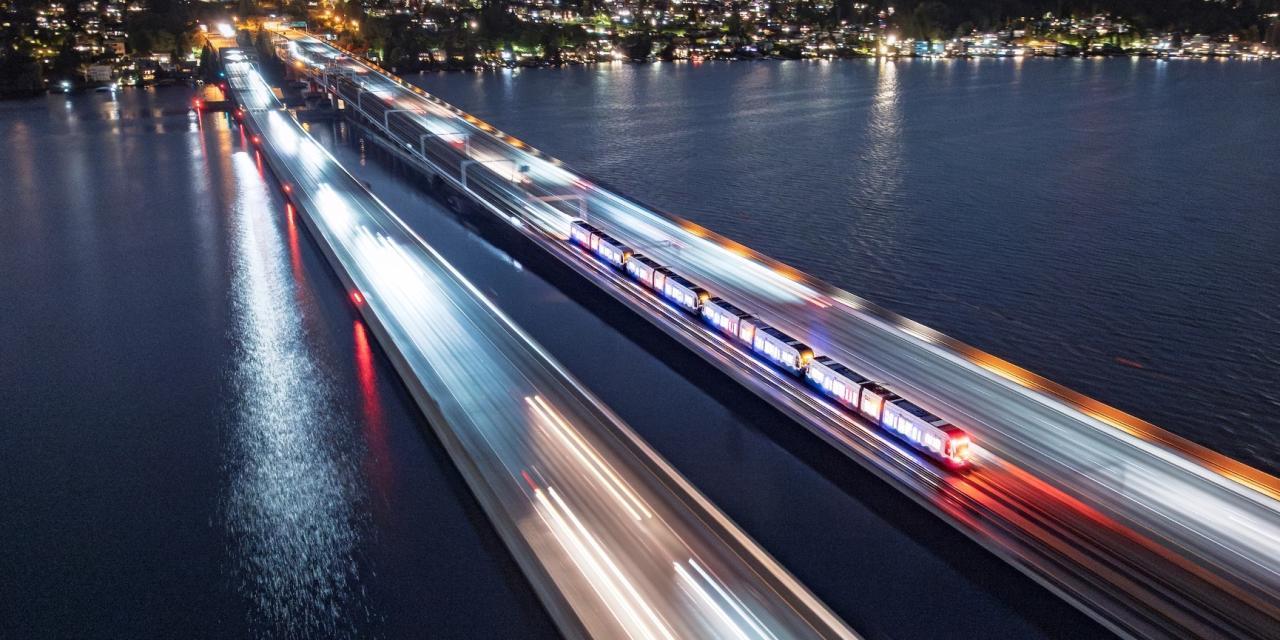
Seattle free transit pilot is expanding in Seattle as Washington State grows its push for greener transport. The new step focuses on wider access to public transport. It helps students and low-income riders move more easily across the city. The plan also supports cleaner and smoother travel in busy areas.
The Seattle free transit pilot now includes more routes and wider eligibility. More people can now use free or discounted transport options. The goal is to make public travel simple and fair. It also helps reduce the cost of daily movement for many residents.
Officials say the Seattle free transit pilot is part of a larger plan in Washington State. The state is working to build a stronger and greener transport system. Public transit is seen as a key part of this change. It helps reduce private car use in busy urban areas.
Students are among the main groups supported by the Seattle free transit pilot. Many young people depend on buses and trains for school travel. Free or low-cost access helps them attend classes on time. It also reduces financial pressure on families.
Low-income residents also benefit strongly from the Seattle free transit pilot. Transport costs can be a daily burden for many households. The program helps reduce that pressure. It gives more people equal access to jobs, schools, and services.
Environmental goals are another major reason behind the Seattle free transit pilot. Public transport produces fewer emissions than private cars. By encouraging more people to use buses and trains, the state aims to lower pollution. This supports cleaner air in urban areas.
Traffic congestion is also expected to improve with the Seattle free transit pilot. Seattle has faced growing road traffic in recent years. More public transport use can reduce the number of private cars on the road. This helps shorten travel times for everyone.
City planners believe the Seattle free transit pilot can change daily travel habits. When transit becomes easier and cheaper, more people choose it. Over time, this can reduce road pressure. It also creates a more organized transport system.
The Seattle free transit pilot may also improve access to job opportunities. Many workers rely on transport to reach workplaces. Free or discounted travel makes commuting easier. It helps people accept jobs that are farther from home.
Education access is another key benefit linked to the Seattle free transit pilot. Students can travel to schools, colleges, and training centers more easily. This helps improve attendance and learning outcomes. It also supports long-term education goals.
The program also supports social inclusion. The Seattle free transit pilot helps connect different parts of the city. People from various income levels can move more freely. This creates better access to services, events, and public spaces.
Transport officials say the Seattle free transit pilot is designed to be simple to use. Eligible riders can access discounts or free rides through standard transit systems. The aim is to avoid complex steps. Easy access encourages more people to join the program.
Public response to the Seattle free transit pilot has been mostly positive. Many residents welcome lower transport costs. Others see it as a step toward fairer city planning. The program is expected to grow if results remain strong.
The Seattle free transit pilot also supports local climate targets. Washington State has set goals to reduce carbon emissions. Expanding public transport use is part of that plan. Fewer cars on the road can help meet these goals faster.
Economic benefits are also expected from the Seattle free transit pilot. When people save money on transport, they can spend more in local businesses. This supports small shops and service providers. It also strengthens the local economy.
City officials are closely watching how the Seattle free transit pilot develops. They are tracking ridership numbers and traffic patterns. Early results will help guide future decisions. Expansion may continue if improvements are clear.
The Seattle free transit pilot is also helping build trust in public transport. Reliable and affordable travel encourages long-term use. This can lead to a stronger transit system in the future. It also supports sustainable city growth.
Experts say the Seattle free transit pilot could shape future transport policy in other cities. If successful, similar programs may expand elsewhere. Many urban areas face similar transport challenges. Seattle’s approach may become a useful model.
The Seattle free transit pilot is still developing, but early signs are positive. More people are using public transport each day. This shows growing interest in shared travel systems. It also reflects changing attitudes toward mobility.
Washington State continues to focus on cleaner and more inclusive transport solutions. The Seattle free transit pilot plays an important role in this strategy. It combines environmental goals with social support. This makes it a key step in long-term planning.
Overall, the Seattle free transit pilot is helping reshape how people move in the city. It supports students, workers, and families. It also reduces pressure on roads and the environment. The program is expected to grow as more benefits appear over time.
