


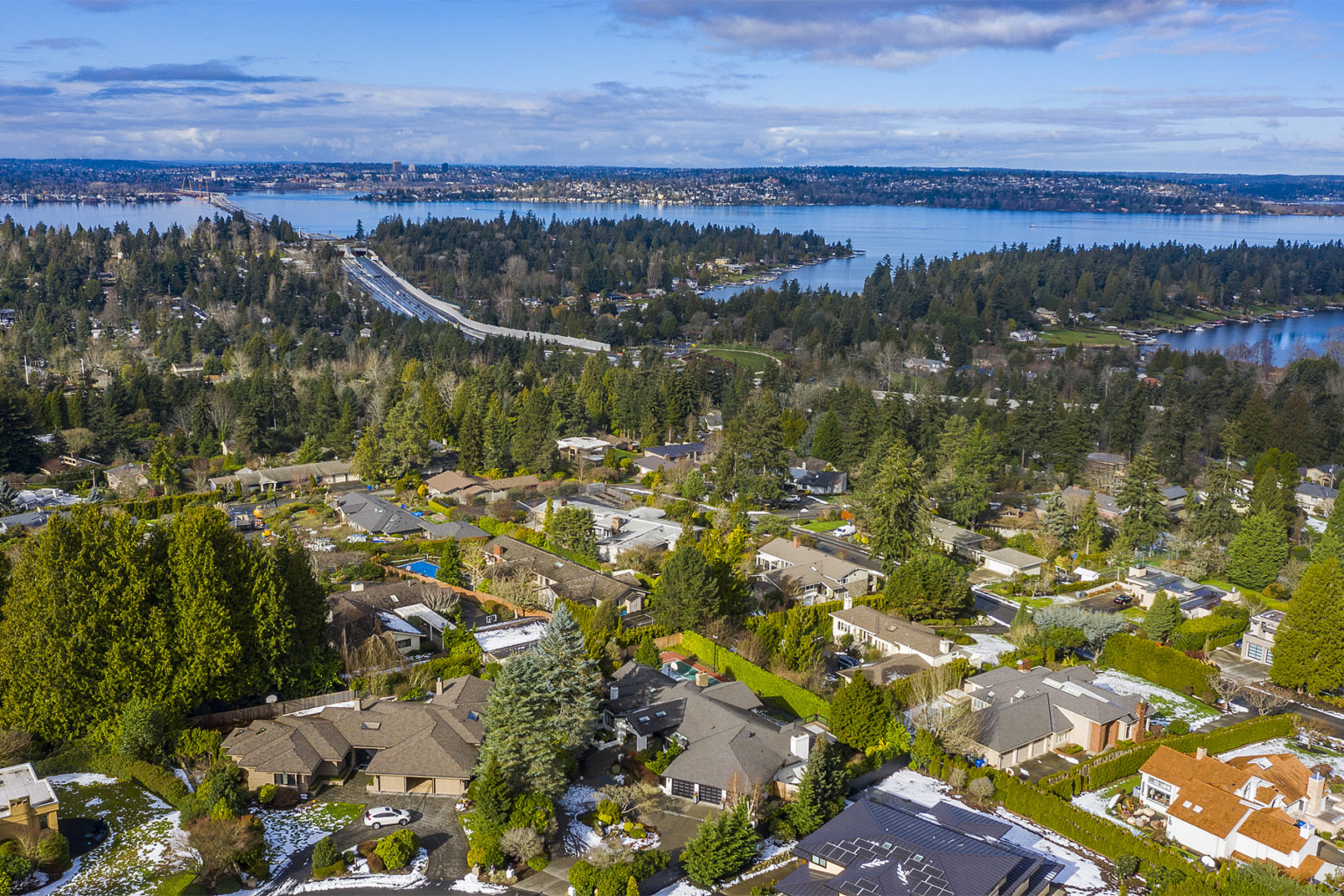
The Seattle housing market is showing clear signs of cooling, with more homes being listed for sale and increased price reductions across several neighborhoods. The shift suggests a move toward a more balanced or buyer-friendlier market after periods of strong demand.
Real estate agents in the region report that sellers are adjusting expectations as homes are taking longer to sell. In many cases, listing prices are being reduced to attract more interest from potential buyers.
The slowdown comes after years of strong price growth in the city’s housing sector. Higher borrowing costs, changing demand patterns, and increased supply are all contributing to the current market shift.
Buyers are now seeing more options available compared to previous months. This increase in inventory is giving them greater negotiating power and more time to make decisions.
At the same time, sellers are facing more competition. With more properties on the market, pricing strategy has become more important for securing a sale.
The cooling trend is also linked to broader economic conditions. Higher mortgage rates have made home loans more expensive, reducing the number of qualified buyers in the market.
Seattle has experienced one of the fastest-growing housing markets in the country over the past decade. However, recent data shows that momentum is slowing as affordability challenges grow.
Real estate analysts say the current trend does not indicate a collapse in demand, but rather a normalization after a period of rapid price increases. The market is gradually shifting toward more stable conditions.
Increased housing supply is another key factor. More listings mean buyers have more choices, which reduces competition for individual homes and puts downward pressure on prices.
Some sellers are choosing to adjust prices early rather than wait for extended listing periods. This strategy is becoming more common in areas where competition has eased.
Despite the slowdown, housing demand remains steady in certain segments, especially in well-located neighborhoods and properties with strong amenities.
Experts say the market is now more sensitive to pricing accuracy. Homes priced too high compared to market conditions are more likely to remain unsold for longer periods.
The shift is also affecting investor activity. Some real estate investors are becoming more cautious as price growth slows and rental yields face pressure from changing demand.
Housing affordability remains a major concern for residents in Seattle. Even with cooling prices, homeownership continues to be challenging for many first-time buyers due to high overall costs.
Economists say the current cooling phase may continue if mortgage rates remain elevated and new supply keeps entering the market.
However, they also note that Seattle’s long-term demand fundamentals remain strong due to its job market, technology sector, and population growth.
For now, the Seattle housing market is transitioning into a more balanced environment, where buyers and sellers have more equal footing compared to recent high-demand years.
