


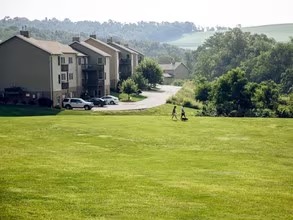
Washington State is seeing a rise in green housing development. The focus keyword Washington green housing reflects a growing shift toward eco-friendly homes. New housing projects are now using energy-efficient materials and cleaner building methods. This trend is spreading across several urban and suburban areas in the state.
State officials and developers are working together to support this change. The goal is to build homes that use less energy and reduce environmental impact. These homes are designed to lower electricity use and improve long-term sustainability. The movement is supported by new incentives from state programs.
Eco-friendly housing projects are becoming more common in Washington. Builders are using modern materials that help reduce heat loss and energy waste. Many new buildings also include better insulation, smart energy systems, and improved water management features. These designs help reduce monthly utility costs for residents.
Cities across the state are now encouraging greener construction methods. Local governments are supporting developers who follow sustainability guidelines. This includes faster approval processes and financial support for qualifying projects. These efforts aim to increase the number of affordable and environmentally friendly homes.
The demand for housing in Washington continues to grow. At the same time, climate concerns are becoming more important for planners and builders. This combination has led to stronger interest in sustainable development. Green housing is seen as a solution that supports both housing needs and environmental goals.
Many new housing projects now include energy-efficient heating and cooling systems. These systems reduce electricity consumption and help lower carbon emissions. Solar energy options are also being added to some developments. This helps residents produce part of their own electricity.
Developers say that sustainability incentives have made green construction more practical. These incentives reduce some of the extra costs linked to eco-friendly building materials. As a result, more companies are willing to invest in green housing projects.
In urban areas, multi-family housing developments are leading the trend. Apartment buildings and housing complexes are being designed with green standards in mind. These buildings often include shared energy systems and efficient lighting solutions. This helps reduce overall energy use across entire communities.
State housing programs are also encouraging innovation in construction. Builders are being supported to test new designs and materials that improve energy efficiency. This includes better window systems, improved ventilation, and advanced insulation techniques.
Experts say green housing can also improve public health. Better air quality inside homes and reduced pollution from energy use are key benefits. Energy-efficient homes also create more stable living conditions for families.
However, challenges remain in expanding green housing across all areas. Construction costs can still be higher compared to traditional buildings. Some developers also face delays in obtaining permits for new designs. Despite these issues, interest in sustainable housing continues to grow.
Local communities have shown strong support for eco-friendly housing projects. Many residents see these developments as a long-term investment in both housing stability and environmental protection. Affordable green housing is also seen as an important step in reducing living costs.
The state government believes that expanding Washington green housing will help meet future housing demand. Officials say the focus is on building homes that are both affordable and environmentally responsible. They also want to reduce the state’s overall carbon footprint through better construction practices.
Financial incentives play a key role in this growth. These incentives include tax benefits and funding support for developers who meet sustainability standards. This helps reduce the financial gap between traditional and green housing projects.
Energy experts say that long-term savings are a major advantage of green homes. Even if construction costs are slightly higher at the beginning, lower energy bills make them more cost-effective over time. This is one reason why demand for such homes is increasing.
Washington’s housing market is expected to continue evolving toward more sustainable solutions. Developers, policymakers, and communities are working together to support this shift. The goal is to create housing that meets both human needs and environmental targets.
As more projects are launched, green housing is becoming a central part of the state’s development strategy. The expansion of eco-friendly homes shows a clear direction toward cleaner and more efficient living spaces across Washington.
