


The Alaska Senate election is facing a growing legal fight as the US Justice Department investigates claims that Democrats helped recruit a candidate to affect the race. Federal officials want a judge to stop the state from certifying the results if Republican Senator Dan Sullivan loses by a narrow margin.
The case comes just days before the November 3 midterm elections. The result could help decide which party controls the US Senate. President Donald Trump and other Republicans are working to keep their majority, while Democrats hope to gain seats.
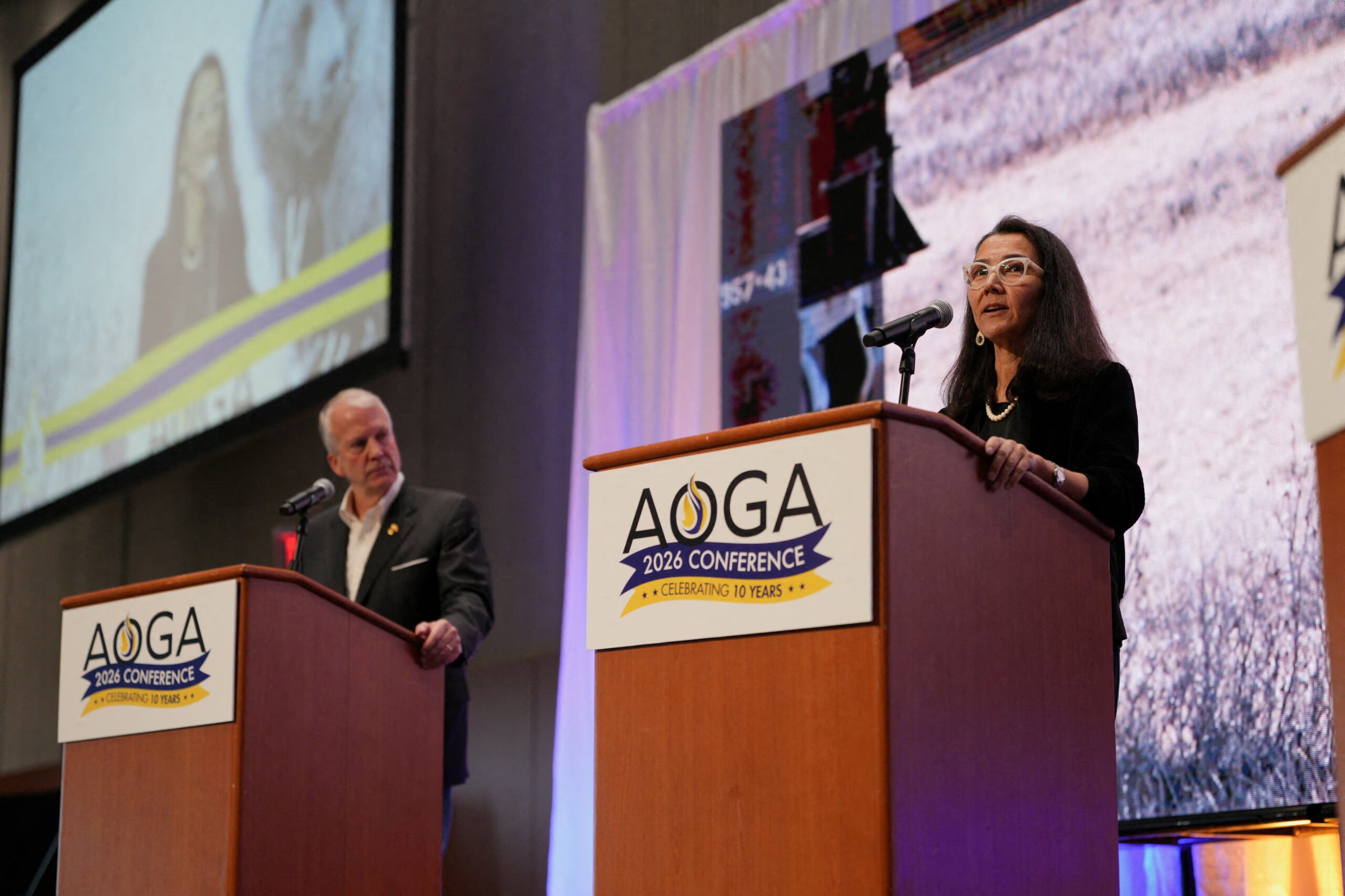
Former US Representative Mary Peltola is challenging Sullivan in Alaska. The race has drawn attention because the ballot includes two candidates with the same name. One is the sitting senator, Daniel S. Sullivan. The other is Daniel J. Sullivan, a retired teacher.
Federal officials are looking into claims that Democratic campaign staff helped recruit the retired teacher to enter the race. Critics say this may have been an effort to draw votes away from the senator or confuse voters. However, the claims remain disputed, and no criminal charges have been announced.
A report published earlier this week said Peltola’s aides worked with campaign lawyers and senior staff from the Democratic Senatorial Campaign Committee to recruit Daniel J. Sullivan. The claims have not been independently confirmed.
The Democratic Senatorial Campaign Committee has denied taking part in the effort. It has also said Republicans have supported other candidates to help their own campaigns. Daniel J. Sullivan has denied coordinating with Peltola’s campaign.
Peltola’s campaign has not responded to a request for comment. Its lawyers have asked US District Judge Sharon Gleason to dismiss the Justice Department’s lawsuit. They argue that federal officials lack the legal power to bring the case.
Trump has called for Peltola to face prosecution over the allegations. Alaska Governor Mike Dunleavy, a Republican, has also ordered a state law enforcement investigation. Neither Trump nor Dunleavy has named a specific law that they believe may have been broken.
A Justice Department official said no decision had been made on whether to bring criminal charges. The department is also pursuing a civil case that seeks to stop the state from certifying the election result under certain conditions.
Michael Heyman, the top federal prosecutor in Alaska, told reporters on Friday that the department plans to seek a preliminary injunction. Such an order can stop an action while a court reviews a case.
The Justice Department wants the order to apply if Senator Sullivan loses by a small margin. The lawsuit is still pending, and the court has not issued a final ruling on the request.
The dispute over the retired teacher’s candidacy began earlier this year. Alaska’s election regulator blocked Daniel J. Sullivan from appearing on the ballot. The regulator said his candidacy was not made in good faith and appeared designed to confuse or mislead voters.
State courts later restored his name to the ballot. The courts said there was not enough evidence to prove that he intended to confuse voters. They also found that Alaska law did not require a candidate to show that the decision to run was made in good faith.
These rulings could make the federal case harder to win. Legal experts say the US Constitution gives states the main role in running elections. This raises questions about whether federal officials have the power to stop Alaska from certifying its results.
Joshua Douglas, a law professor at the University of Kentucky, said the reports about Democratic efforts to recruit candidates were unlikely to strengthen the Justice Department’s case. Allegations alone may not prove that election laws were broken.
The ballot identifies Daniel S. Sullivan as the incumbent senator. This may help voters distinguish him from the retired teacher. Still, the legal fight has raised questions about how the state should handle the election if the result is close.
The case could have effects beyond Alaska. With control of the Senate at stake, a close result could shape the balance of power in Washington. The dispute may also test the limits of federal authority over state election rules.
As election day approaches, the Justice Department must convince the court that its request has a sound legal basis. The court’s decision could affect the next steps if Sullivan loses by a narrow margin.
