


The United States has called on European NATO allies and Canada to significantly increase their contributions of aircraft and naval assets as Washington begins reducing its own military commitments to the alliance.
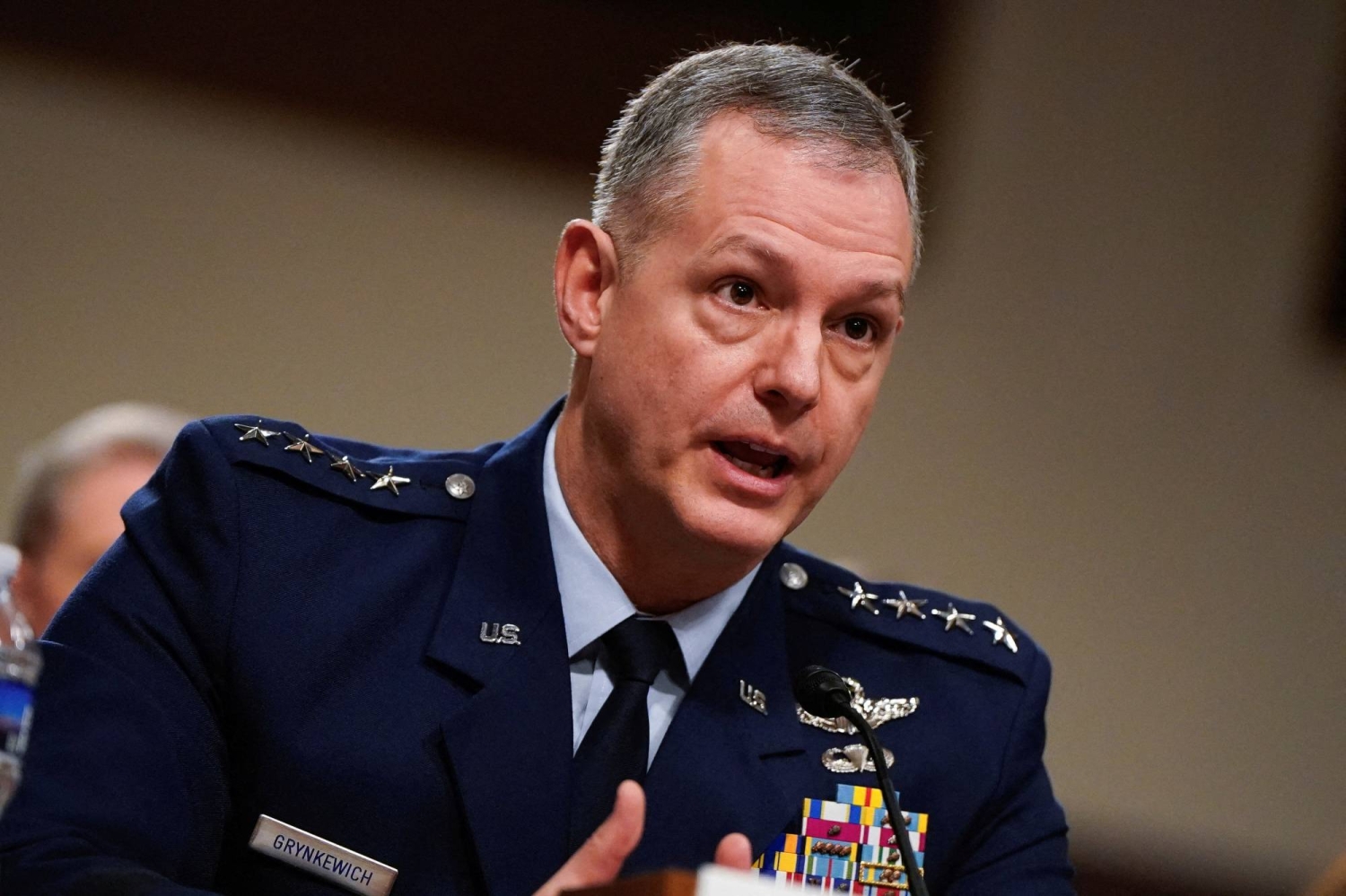
The push for stronger allied participation in NATO Air Naval Forces was outlined on Wednesday by U.S. Air Force General Alexus Grynkewich, who also serves as NATO’s top commander and head of U.S. forces in Europe.
His remarks followed a decision by the Trump administration to scale back the number of American military resources assigned to NATO defense planning structures, a move that marks a notable shift in the alliance’s burden-sharing arrangement.
According to senior military officials, the United States has informed allies that it will reduce its contribution to the NATO Force Model. This framework includes a pool of military assets that can be activated in a crisis to support collective defense.
The planned reductions are expected to affect several key capabilities, including fighter jets, aerial refueling aircraft, drones, and naval vessels. However, officials have not publicly detailed the full scope or timeline of the changes.
A military source familiar with the matter said the cuts include a reduction in U.S. F-15 and F-15E fighter jets available to NATO by about one-third, bringing the total down to 99 aircraft. The number of MQ-4 and MQ-9 Reaper drones is also expected to be cut in half to 12.
The same source warned that reducing surveillance drone availability could weaken NATO’s intelligence and monitoring capacity, particularly in sensitive regions where aerial surveillance plays a key role.
The changes come as President Donald Trump continues to pressure European allies to take greater responsibility for the conventional defense of the continent. He has repeatedly argued that European nations should contribute more and rely less on U.S. military power.
General Grynkewich said there has been what he described as “an unhealthy co-dependence” on U.S. forces within NATO’s current structure. He added that the alliance must adapt to emerging global security challenges.
He also pointed to the possibility of simultaneous conflicts in multiple regions, saying NATO planning must reflect a more distributed burden across member states.
In his statement following a meeting of NATO military planners, Grynkewich said manned and unmanned aircraft, along with naval vessels, are areas where European allies and Canada can quickly expand their contributions.
He emphasized that these capabilities are already available within allied forces and can be assigned to NATO planning structures without significant delays.
A NATO military spokesperson, U.S. Army Colonel Martin O’Donnell, sought to reassure allies, stating that the capabilities being discussed are already sufficient among member states. He said no immediate defense gaps are expected as a result of the U.S. adjustments.
According to O’Donnell, the main requirement is for countries to formally allocate existing military assets to NATO operations and planning frameworks.
Despite these assurances, concerns remain among European officials about the long-term implications of reduced U.S. involvement. NATO has historically relied heavily on American military strength, particularly in airpower, intelligence, and logistics support.
Analysts warn that any sustained reduction in U.S. contributions could increase pressure on European governments to accelerate defense spending and expand their own military capabilities.
Former U.S. defense official Jim Townsend said the move could send a concerning message to both allies and adversaries. He argued that reducing U.S. forces in Europe may weaken deterrence and embolden Russia at a time of heightened geopolitical tension.
The adjustments are part of a broader strategic reassessment by Washington, which is seeking to redistribute military resources across multiple global theaters.
While NATO officials insist the alliance remains strong and adaptable, the latest changes highlight growing uncertainty over the future balance of responsibilities between the United States and its European partners.
