


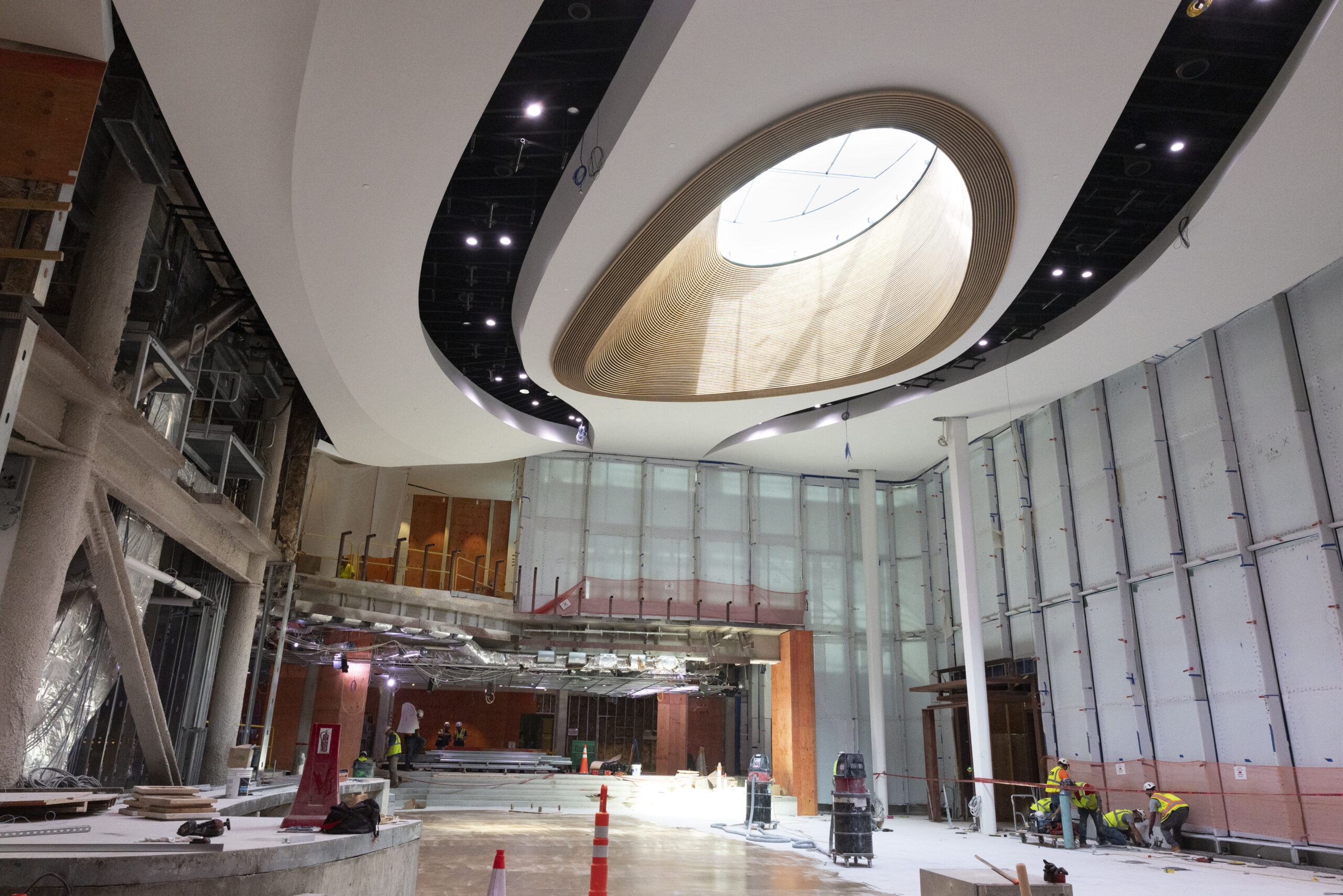
National Geographic has officially opened its new Museum of Exploration in Washington, D.C., launching a large-scale cultural space designed to bring the spirit of discovery to life through immersive exhibits, artifacts, and storytelling experiences.
The National Geographic Museum of Exploration spans around 100,000 square feet and represents a project that took four years to complete. The museum opened with a ribbon-cutting ceremony, marking the beginning of a new public space focused on exploration, science, and global discovery. It is designed to reflect more than a century of National Geographic’s work documenting the world through photography, film, and field research.
The museum aims to connect visitors with the stories of explorers from different eras and backgrounds. Its exhibits combine interactive technology, historical artifacts, and visual storytelling to create a hands-on learning environment. Visitors can explore galleries featuring iconic National Geographic photography and objects linked to thousands of explorers who have contributed to scientific and cultural discovery over the years.
One of the highlights of the opening event was the presence of filmmaker and explorer James Cameron, who attended the launch and toured the exhibits. Cameron spoke about the importance of storytelling in exploration, saying that returning from expeditions with experiences to share is a key part of the journey. He described filmmaking as a way to turn exploration into lasting narratives that can be shared with wider audiences.
Cameron also reflected on his personal connection to exploration, saying that the sense of curiosity and wonder he felt as a child continues to drive his work today. His comments underscored the museum’s central theme of inspiring curiosity across generations and encouraging visitors to engage with the world through discovery.
Inside the museum, visitors can experience a variety of interactive installations. These include immersive environments where guests can simulate exploration scenarios, as well as a theater designed to create sensory experiences linked to natural and scientific environments. The exhibits are intended to make exploration more accessible and engaging for audiences of all ages.
Explorer Bertie Gregory highlighted some of the unique artifacts on display, noting that many items tell personal stories of exploration. Among them are well-worn boots and equipment used in challenging expeditions, each representing real-world journeys into remote and difficult environments. These objects help illustrate the physical and emotional challenges faced by explorers in the field.
National Geographic Society CEO Jill Tiefenthaler described the museum as both ambitious and forward-looking. She said the project was designed to inspire future generations of explorers while also serving as a modern hub for storytelling and research. According to her, building a large museum in the center of a busy city presented challenges, but it also reflects the organization’s commitment to innovation and public engagement.
The museum also functions as an extension of National Geographic’s broader mission to promote curiosity, education, and environmental awareness. By combining interactive technology with real-world artifacts, it aims to bridge the gap between traditional museum experiences and modern digital storytelling.
Officials say the museum is intended to encourage visitors not only to learn about exploration but also to consider their own role in discovering and sharing stories about the world. The experience is designed to be participatory, inviting guests to engage directly with exhibits rather than passively observe them.
The Museum of Exploration will open to the public on June 26, welcoming visitors to experience its exhibits firsthand. Organizers say the goal is simple: to inspire curiosity and encourage people to see themselves as part of the ongoing story of exploration.
