


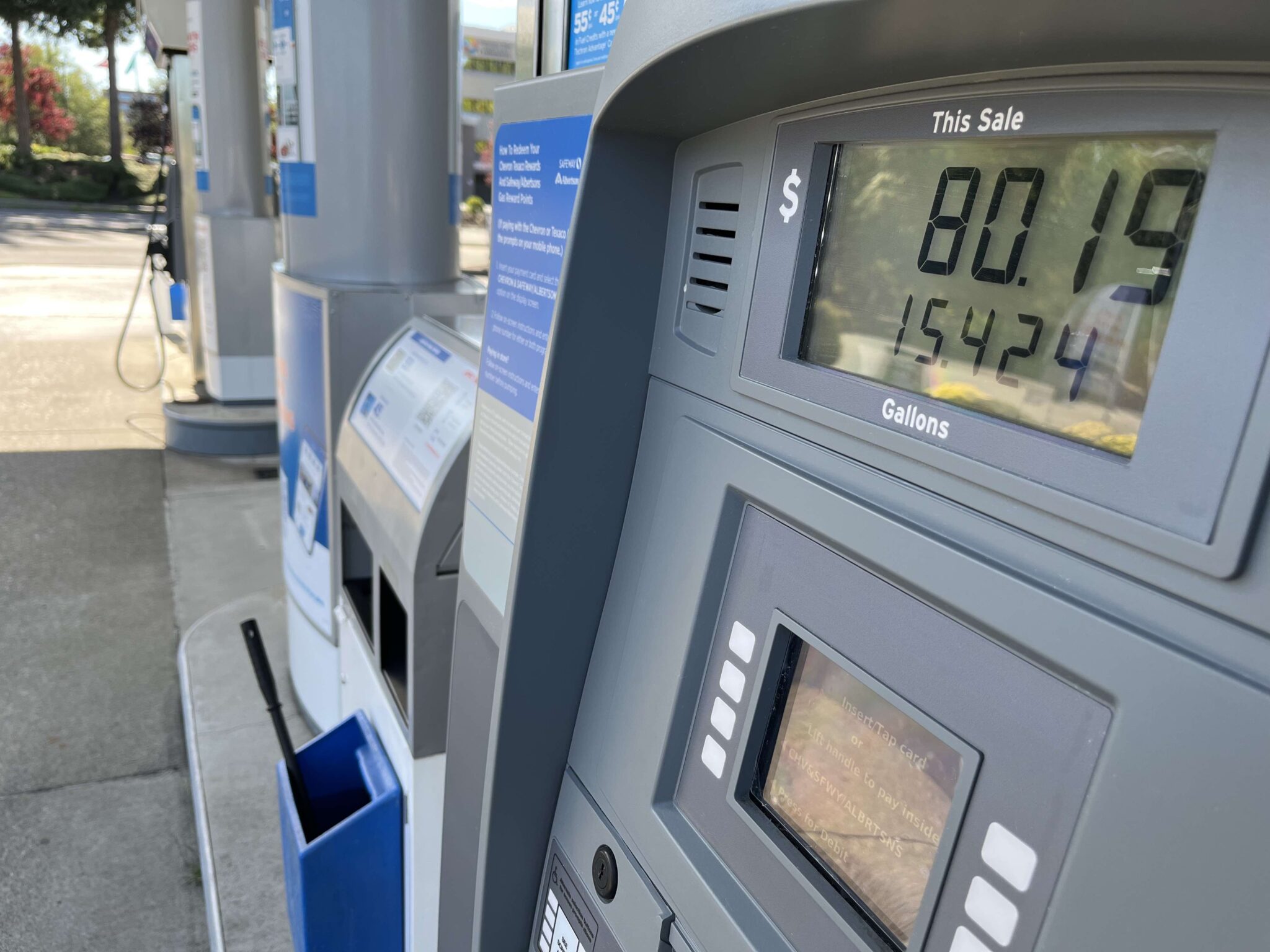
Drivers in Washington state will soon pay more at the pump as a new fuel tax increase takes effect on July 1. The change comes as state officials face a growing challenge: transportation revenue is falling even as taxes and fees rise.
Washington’s gasoline tax will increase from 55.4 cents per gallon to 56.5 cents per gallon. The 1.1-cent increase is the first annual inflation adjustment required under a transportation funding law approved in 2025. After the increase, Washington will continue to have one of the highest gas taxes in the United States, behind only California and Pennsylvania.
The diesel fuel tax will also rise. The state tax on diesel will increase from 58.4 cents to 59.5 cents per gallon. These state taxes are added to federal fuel taxes, which are 18.4 cents per gallon for gasoline and 24.4 cents per gallon for diesel.
The upcoming increase follows a major transportation package passed by state lawmakers earlier this year. That legislation included a six-cent increase in the gasoline tax and a nine-cent increase in the diesel tax. The package was signed into law by Governor Bob Ferguson as part of a broader effort to support transportation projects and infrastructure improvements.
Despite higher fuel taxes, state officials say transportation revenue is not keeping pace with growing costs. Demand for gasoline continues to decline as more drivers switch to electric vehicles and newer vehicles become more fuel efficient. As a result, gas tax collections are falling.
State budget officials also point to lower collections from fees and uncertainty surrounding future federal transportation funding. These factors are creating additional pressure on the state’s transportation budget.
According to the latest revenue forecast, Washington expects to collect less transportation revenue than previously projected. Officials estimate collections for the current two-year budget period will be $36 million lower than expected. Revenue for the 2027-29 budget cycle is forecast to be $130 million below earlier estimates.
Washington’s transportation budget is funded separately from the state’s general budget. Revenue comes from fuel taxes, vehicle registration fees, permits, tolls, ferry fares, and proceeds generated through the Climate Commitment Act.
Fuel taxes remain the largest source of transportation funding. They account for nearly 40% of transportation revenue. Registration fees, licenses, and permits make up about one-quarter of the total. Revenue from carbon allowance auctions under the Climate Commitment Act contributes more than 8%.
The state’s chief economist recently projected transportation revenue of $8.7 billion for the current budget period. Revenue is expected to reach $10.6 billion in the next budget cycle and about $10 billion in the 2029-31 period. However, total collections over those years are expected to be $435 million lower than earlier forecasts.
The projected decline is tied mainly to reduced gas tax revenue, lower vehicle registration collections, and weaker rental car tax receipts.
Several other transportation-related fees will also increase on July 1. Truck weight fees will rise by 2%, affecting annual registration costs for vehicles ranging from pickup trucks to large commercial vehicles. The retail sales tax on boats and recreational vessels will increase from 6.5% to 7%. In addition, the fee for obtaining a title and registration for a vehicle previously registered in another state will increase from $50 to $75.
Washington already has some of the highest fuel prices in the nation. Recent data from AAA showed the average price for a gallon of regular gasoline in the state was about $5.32.
Lawmakers say maintaining roads, bridges, ferries, and other transportation infrastructure requires stable funding. However, changing driving habits and the growth of electric vehicles are forcing states across the country to rethink how transportation systems are financed.
As the July 1 increases take effect, Washington officials will continue searching for ways to balance infrastructure needs with declining fuel tax revenue in the years ahead.
