


Washington State Ferries has selected Siemens Energy as the systems integrator for a major shore power project that supports the agency’s long-term fleet electrification plan. The contract marks another step in Washington’s effort to modernize its ferry system while reducing emissions and diesel fuel use.
The project is part of a broader strategy to replace aging diesel-powered ferries with cleaner hybrid-electric vessels and eventually expand battery-electric ferry operations. Officials say the new infrastructure will improve reliability while helping the state’s transportation network meet future environmental goals.
David Sowers, electrification program administrator for Washington State Ferries, said the contract represents an important milestone in preparing the ferry system for the coming decades. He said the project will help build the electrical infrastructure needed to support a stronger and more reliable ferry network.
Washington State Ferries is carrying out one of the largest ferry electrification programs in North America. The agency plans to retrofit existing vessels, construct new hybrid-electric ferries, and install charging systems at ferry terminals throughout its network.
Under its long-term strategy, the agency aims to build 16 hybrid-electric ferries by 2040. These vessels are expected to gradually replace older diesel-powered ferries that have served the state for many years.
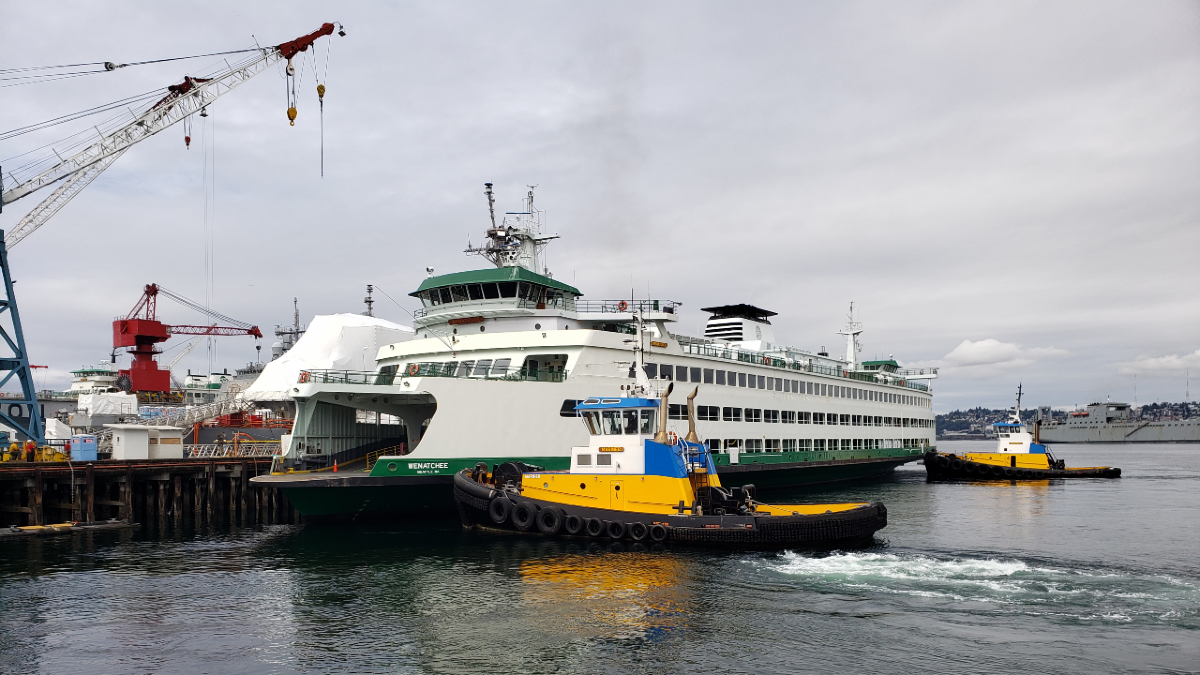
The modernization effort is already underway. Washington State Ferries has converted the Olympic-class vessel Wenatchee to hybrid-electric propulsion, allowing it to operate with lower fuel consumption and reduced emissions.
In 2025, the agency also awarded a contract to Eastern Shipbuilding Group to build two new hybrid-electric ferries. Each vessel will carry up to 1,500 passengers and 160 vehicles. The ferries will include onboard energy storage systems and will be equipped to connect with high-power charging stations at ferry terminals.
The newly awarded contract gives Siemens Energy responsibility for designing and integrating the electrical systems needed for shore-side charging. The company will provide engineering services, oversee system integration, coordinate equipment installation, and support medium-voltage electrical infrastructure at Washington State Ferries terminals.
Officials say the charging systems will support both the current generation of hybrid-electric ferries and future battery-electric vessels as the fleet continues to evolve.
Washington State Ferries operates the largest ferry system in the United States and ranks among the largest in North America. The network serves nearly 25 million passengers every year across 10 ferry routes that connect communities throughout the Puget Sound region.
Because of its size, the ferry system is also the largest consumer of diesel fuel within Washington state government operations. Officials believe shifting toward electric propulsion will significantly reduce fuel use while lowering greenhouse gas emissions and improving regional air quality.
The project is expected to deliver several long-term benefits beyond environmental improvements. Electric ferries generally require less fuel, produce lower maintenance costs, and operate more quietly than traditional diesel-powered vessels. Shore-side charging infrastructure will also allow vessels to recharge efficiently while loading and unloading passengers.
Transportation agencies across North America are increasingly investing in electric ferry technology as governments seek cleaner transportation solutions. Washington’s large-scale program is viewed as one of the most ambitious efforts to modernize public ferry services while reducing dependence on fossil fuels.
The shore power project will play a central role in supporting the growing hybrid-electric fleet over the coming years. Reliable charging systems are considered essential for maintaining regular ferry schedules while maximizing the environmental benefits of electric propulsion.
As construction and modernization continue, officials expect the Washington Ferry Electrification program to transform one of the nation’s busiest ferry systems into a cleaner and more energy-efficient transportation network. The latest contract with Siemens Energy represents another important step toward achieving the state’s long-term transportation and climate goals.
