


A new Zambia tasting menu experience is changing how people see Zambian food. In Livingstone, chef Sungani Piri is serving a 14-course meal that brings local ingredients, culture, and memory into fine dining.
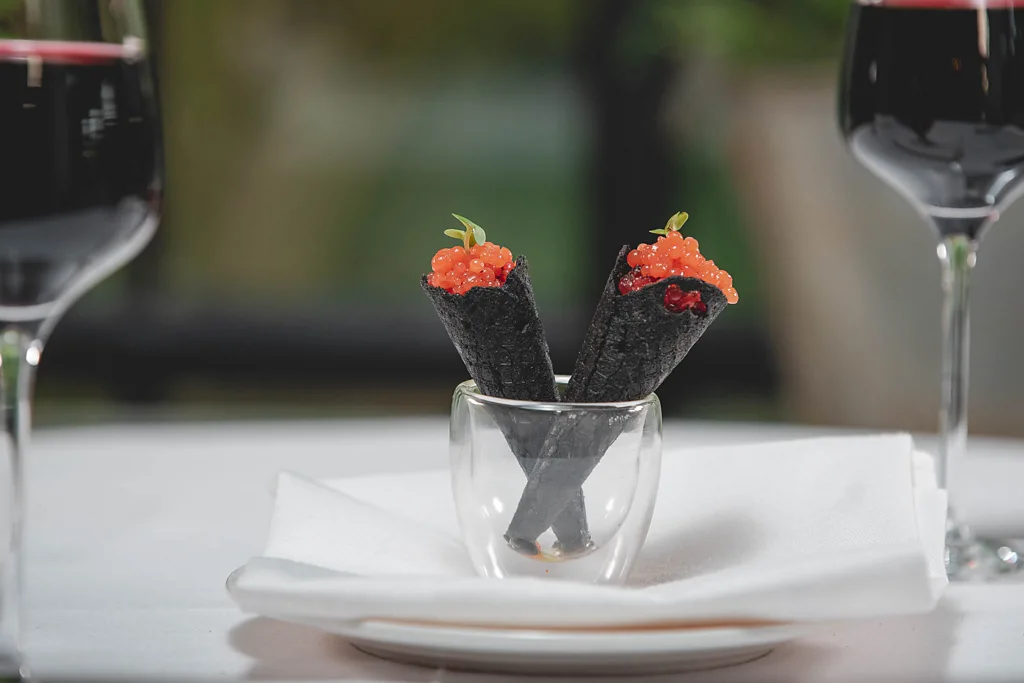
I visited the experience with my family in a quiet suburb. We sat on an outdoor verandah at the chef’s home. The meal started with small dishes that looked like art. One early course was a cassava cone filled with avocado ice cream. It sat on millet inside a traditional cooking pot. It was sweet and salty at the same time.
Each dish had meaning. The gold on top of one dish represented the Copperbelt region. That area is known for mining. The food was not only about taste. It was also about stories from across the country.
Most visitors in Zambia usually eat simple local meals or international food. Popular dishes include stews and nshima, a thick cornmeal dish. Fine dining with local identity is rare. This Zambia tasting menu experience is trying to change that.
Chef Sungani Piri wanted to build something new. He trained in high-level kitchens in South Africa. He also worked in hotels and lodges in Zambia. But he wanted food that felt more personal and more local.
His idea came after a family discussion. He was told that copying European fine dining styles without local roots did not feel right. That moment changed his direction. He began building dishes from ingredients he grew up with.
The restaurant is inside his own home. Guests sit close to the kitchen. The chef and his family welcome diners personally. The setting feels warm and simple. It is not like a traditional restaurant.
The menu changes with the seasons. Most ingredients come from within 100 kilometers. The goal is to use what is fresh, local, and often ignored. This makes every dining experience slightly different.
The Zambia tasting menu experience includes 14 to 16 courses. Each one reflects a part of the country. Some dishes come from rivers, farms, and forests. Others come from traditional snacks and home cooking.
The meal begins with a hibiscus drink. It is bright pink and slightly sour. Later, guests taste a marshmallow made from local greens. There is also a dumpling filled with village chicken and vegetables.
One dish is a small onion soup served in a glass. Another is a crispy pastry filled with crayfish from the Zambezi River. Each plate is small but detailed.
A special drink is made from traditional fermented reed. It is turned into a modern cocktail. It is served in a natural shell and paired with fruit. This mix of old and new is a key part of the experience.
Bread and jam follow. One bread uses sour milk from local farms. Another uses cassava. These simple foods remind guests of home cooking in Zambia.
Later, guests eat fish from the Zambezi River. It is prepared in thin layers with lemon, ginger, and herbs. Even familiar food is shown in a new way.
One of the most talked-about dishes uses dried caterpillars. In many homes, they are fried and eaten as snacks. Here, they are turned into a fine powder and used as seasoning on steak. The flavor is strong but balanced.
Dessert ends the journey. A frozen cake is inspired by a local street snack. It is filled with coffee cream and soft layers. It connects modern taste with childhood memories.
The chef says every region in Zambia has a story. He wants each dish to share that story with guests. His goal is to show that local food can be fine dining.
The experience is also used to train young chefs. Many learn to cook with native ingredients for the first time. They practice turning simple foods into modern dishes.
By the end of the meal, guests do not just feel full. They also learn about Zambia’s land, people, and traditions. The Zambia tasting menu experience shows that food can be both cultural and creative.
It is more than a meal. It is a journey through memory, place, and identity. The chef hopes it will help Zambian cuisine gain global respect while staying true to its roots.
