


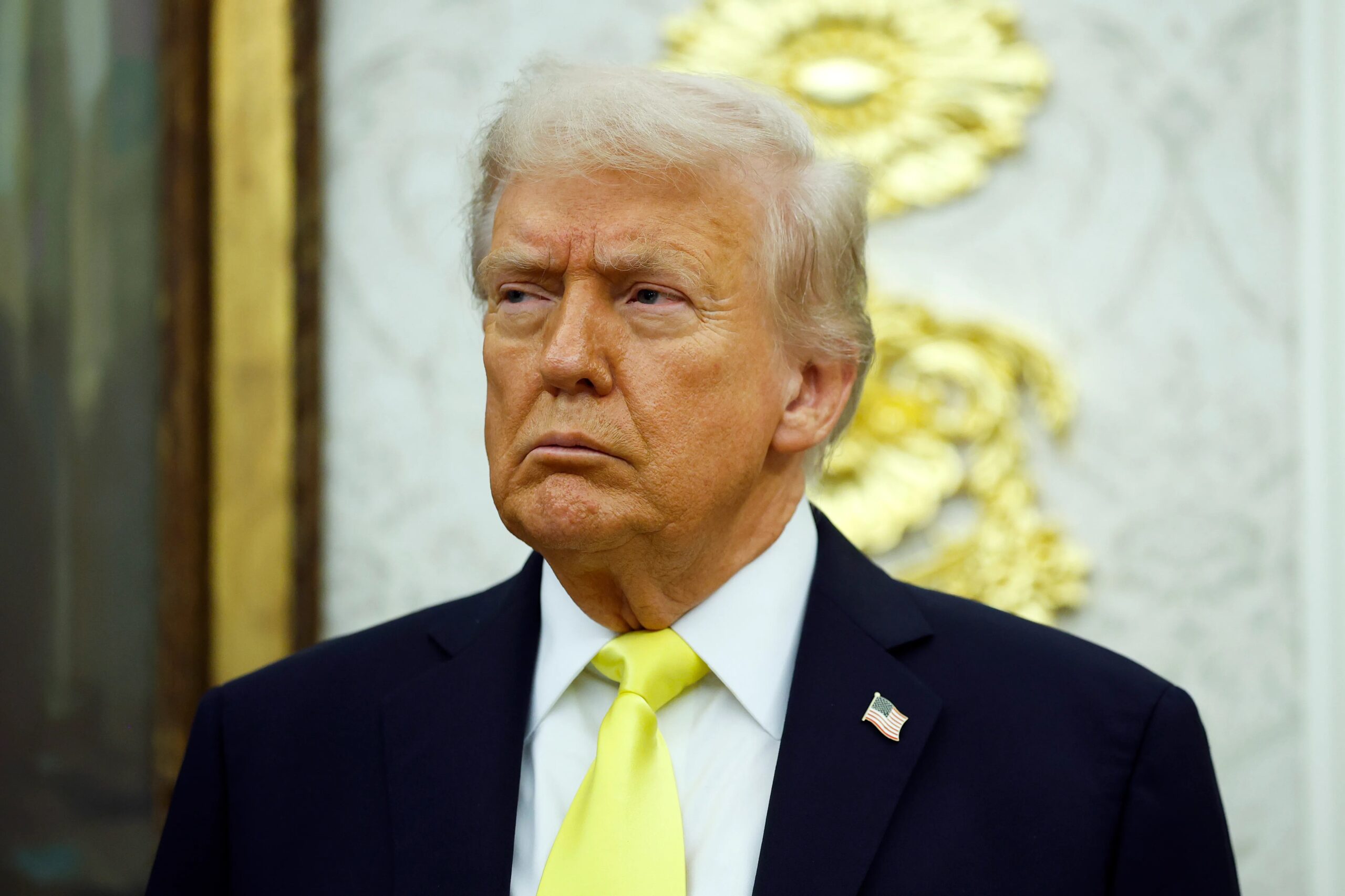
President Donald Trump spoke to reporters on Friday. He dismissed concerns over long aircraft carrier deployments. The U.S.S. Abraham Lincoln has spent over eight months at sea. The vessel works in operations connected to the war in Iran. A reporter asked if the ship stayed out too long. The president said the trip was not long enough. He said families of the crew are not worried. He added that another vessel will replace the ship soon. The U.S.S. George Washington will take over the mission.
Reports point to tough conditions for crew members at sea. Sailors faced a lack of simple basic supplies. Clean drinking water was very hard to get. Plumbing systems on the vessel broke down completely. Mail delivery suffered long delays for many months. Stress and mental health issues grew among many workers. Deck safety became a major topic of concern. Democratic leaders in Congress sent a formal letter to military heads. They asked for fast answers about the health of all sailors.
Top defense leaders also pushed back against the claims. The Defense Secretary stated that media stories twisted the real facts. He said news stories gave a false view of life at sea. Navy leaders said safety stays their main goal every single day. They stated that food and clean water come first. Heavy combat operations slowed down usual supply routes to the ship. That disruption made sending packages on time very difficult. Leaders claimed health cases did not rise above normal levels. They did not release official numbers.
The war in Iran has gone on longer than first planned. The president promised a fast end to the fight. But combat operations have stretched on for many months. Clear end goals remain hard to define for many. Still, the president called the military effort a huge success. He stated that American forces destroyed key military targets. He said Iran lost much of its armed power. He believes the whole operation shows great national strength.
The human cost of the conflict remains a big issue. Eighteen American troops died since the fighting started. Hundreds of service members suffered injuries in active combat. The president played down the weight of these losses. He compared this action to far longer historical wars. He noted that past wars cost many more lives. He argued that this fight has a lower death toll. The Defense Department tried to adjust official casualty counts. They attempted to remove four names after a cease-fire order. However, real fighting continued in the region.
The conflict created economic trouble across global energy markets. The Strait of Hormuz handles a large portion of global oil. Iranian forces blocked shipping traffic in the key waterway. That blockade caused fuel prices to jump up rapidly worldwide. On Friday, the president spoke to crowds in New York state. He suggested that the U.S. could take control of the strait. He stated that blocking nuclear weapons justified the financial strain.
Everyday citizens face higher living expenses due to the war. Drivers must pay much higher prices at local gas pumps. The president acknowledged the sudden rise in fuel prices. He told the public that four dollars a gallon is fine. He declared that he would never apologize for his policies. He maintains that his strategic decisions were correct. He feels the final goal justifies current financial pains.
The extended sea voyage broke historical time records for Navy stays. Crew members have spent long months far away from home. The warship spent over two hundred days without port visits. Family members continue to voice anxiety for their loved ones. Lawmakers demand clear answers from top military officers. They call for improved daily care for troops at sea. They want reliable supply operations for every military ship. They demand high safety standards across the naval fleet.
A replacement warship is currently sailing to the target zone. The U.S.S. George Washington is on its way right now. It will take over the primary mission very soon. The swap will grant relief to the crew on the Lincoln. The move keeps strong military power active in the region. Naval blockades on local ports will remain fully active. Military leaders say they can hold the line long term. No final date exists for the official end of operations.
Public debate over aircraft carrier deployments keeps growing. Critics argue that long sea stays hurt troop health. Ships and heavy gear also suffer from continuous operation. Supporters claim firm military actions protect national security. They argue that troops train specifically for hard assignments. White House officials stand firmly behind their current strategy. The president says the broad mission must press forward.
