


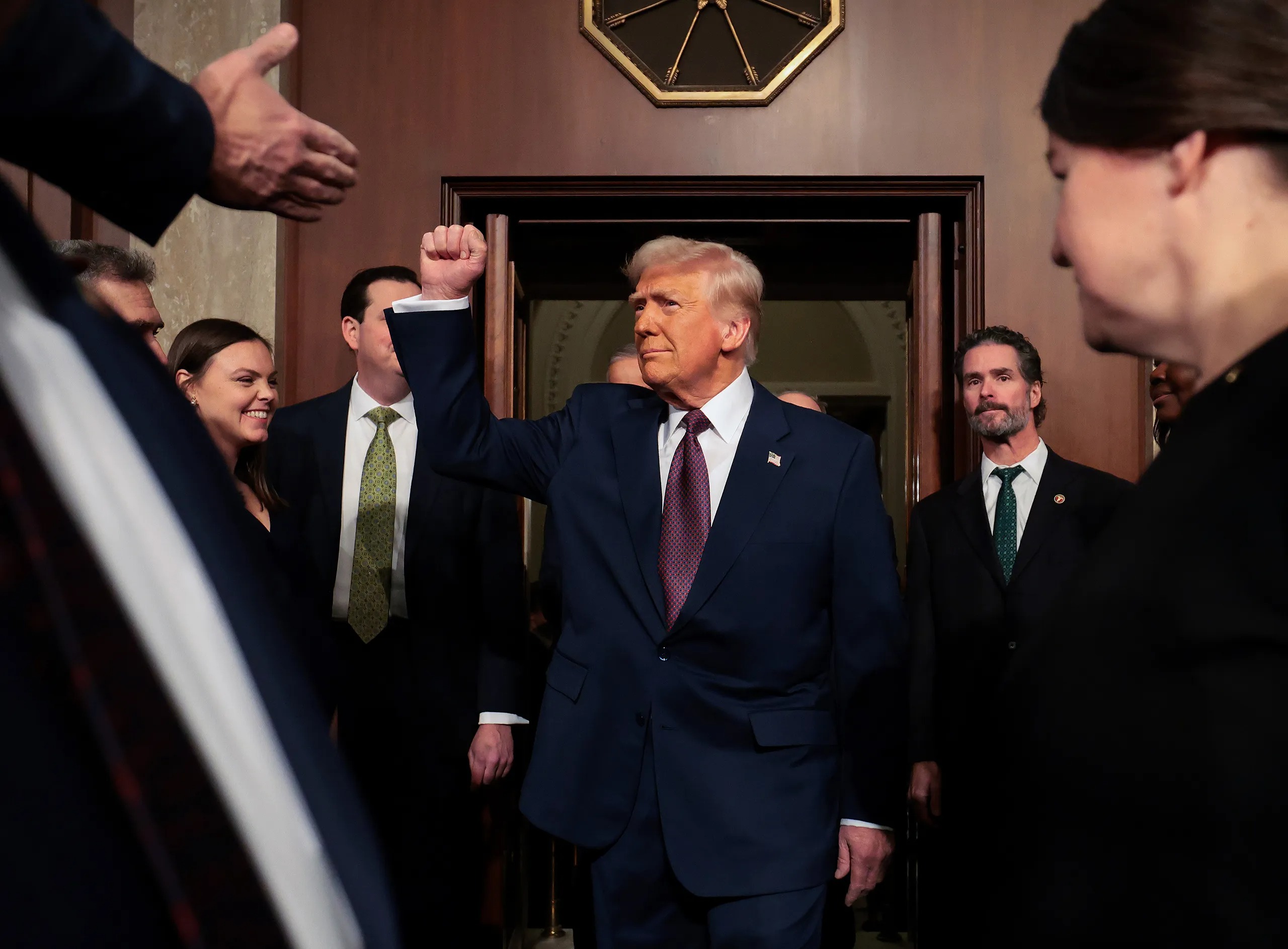
Donald Trump wants Iran to surrender now.He told the nation to raise a white flag to end the ongoing conflict.The sixty-day negotiation period between the two countries has ended without a deal. The leader of the United States confirmed his stance during a recent broadcast interview. He stated that his goal is to prevent Iran from building nuclear weapons.
Trump said his administration maintains direct lines of communication with top military leaders in Iran.He praised their negotiation skills but claimed their position is growing weaker.The president noted that he feels no need to rush a final agreement.He stated that he works with no set timeline for stopping military action.
The ongoing conflict brings major political debate within the United States. Five months of war have raised deep concerns among American voters. Lawmakers closely follow each update as national elections approach. Still, the president insists political dates do not shape his strategy.
During his statement, Trump also issued a direct warning to Oman.He said Oman must not interfere with American efforts to reopen the Strait of Hormuz.He warned of severe military actions if Oman stands in the way.The shipping lane serves as a key passage for global energy supplies.
Iran has maintained a blockade on the passage, stopping normal boat movement.Leaders in Oman and Iran have held talks to establish fresh maritime rules.Iranian officials stated that both sides agreed on a new route map for ships.However, high tension remains across the region as world leaders track each update.
The end of the agreement poses fresh challenges for global trade. Many countries rely on fuel shipped through this narrow sea path.Interruptions in trade cause energy prices to rise quickly for everyday buyers. International groups urge both sides to seek a peaceful resolution.
Experts note that this single path carries a large share of the world’s crude oil. When ships stop moving, total trade slows down across multiple sectors. Business owners fear long delays will harm global market stability. Diplomatic teams continue to work around the clock to support peaceful dialogue.
Official sources repeat that keeping key sea routes safe remains a top priority. Administration aides emphasize that regional peace depends on strong trade paths. Meanwhle, Iranian representatives claim they must retain control over nearby water lanes. They state that any future arrangement must respect their territorial rights.
Neighboring nations express concern over growing risks in the area. Oman has long served as a quiet mediator between Western and local governments. A breakdown in communication could make diplomatic progress much harder to achieve. Energy markets show fast fluctuations as traders assess every new message.
Shipping firms are seeking safe alternative paths to protect their cargo and crews. Many companies request official security guarantees before resuming normal routes. Around the globe, leaders urge calm steps to restore stability and safeguard vital trade lines.
As discussions continue, international observers remain focused on the Strait of Hormuz. Restoring clear movement through the waterway is critical for economic stability worldwide.Both sides face increasing diplomatic pressure to reach a sustainable outcome.
