


President Donald Trump has announced a major energy agreement that would give the United States a controlling interest in a significant portion of Venezuela’s untapped oil reserves. The proposal is being presented as a long-term effort to expand energy access and support future oil production.
The announcement was made on Friday through a social media post. Trump called the agreement a historic achievement and said it would strengthen the United States’ position in the global energy market.
Federal officials said the arrangement grants the United States a controlling stake in nearly one-quarter of Venezuela’s undeveloped oil reserves. Under the plan, a new joint venture company will be created to manage oil operations tied to the agreement.
The company will oversee long-term contracts connected to oil fields in Venezuela. Officials said these contracts could remain active for as long as 100 years, giving the venture a long period to develop and produce energy resources.
Trump stated that the agreement secures majority U.S. control over more than 65 billion barrels of proven oil reserves. He credited senior administration officials and Venezuelan partners for helping complete the negotiations.
The deal is expected to involve cooperation between government representatives and private business interests. Supporters believe the structure will encourage investment in areas that have seen little development in recent years.
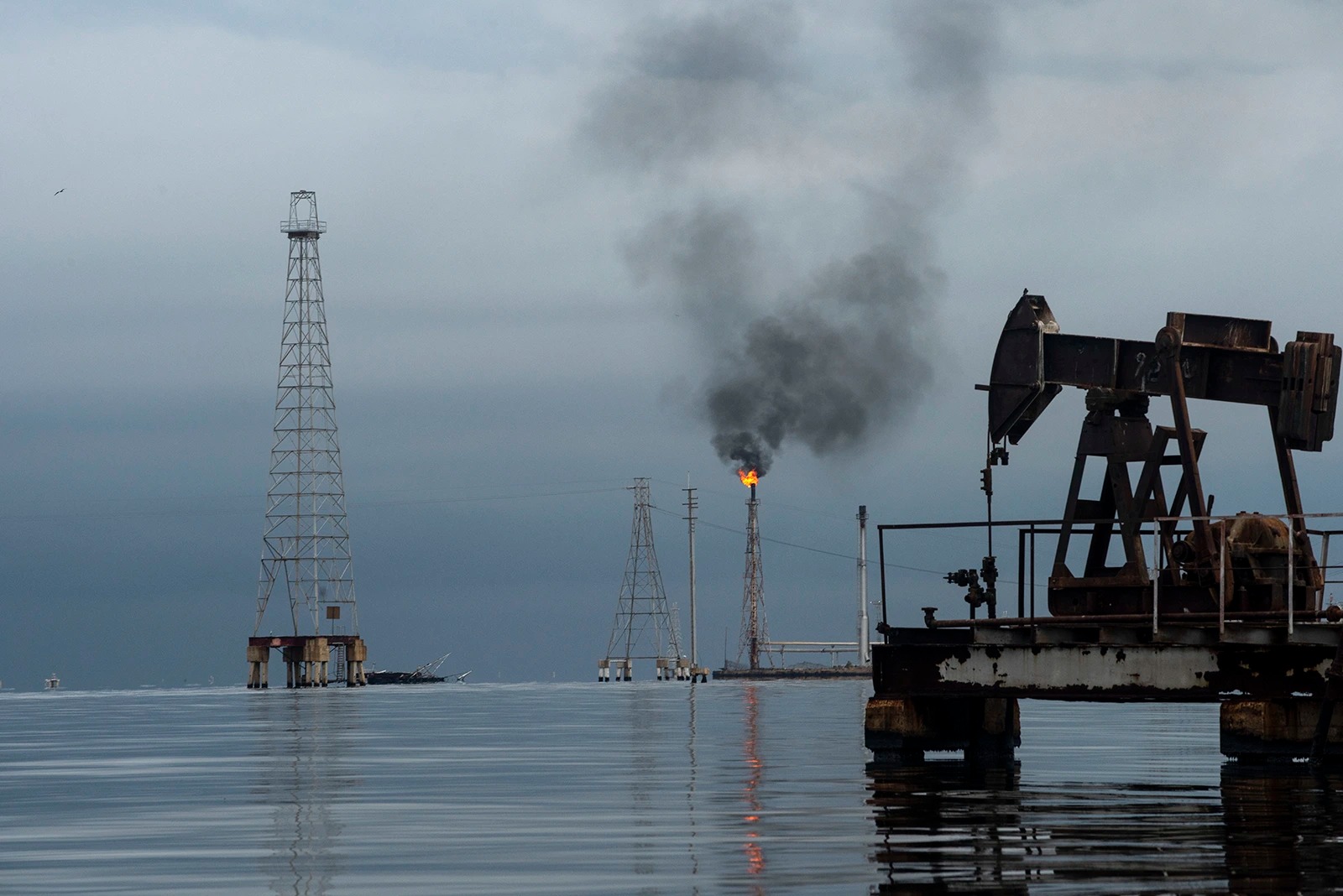
Venezuela holds some of the largest oil reserves in the world. However, many of those resources remain untapped. Experts say security concerns, aging facilities, and difficult working conditions have made many investors reluctant to commit large amounts of money to projects in the country.
Because of these challenges, production growth has remained limited despite the country’s vast energy potential. Officials behind the agreement argue that stronger involvement from the United States could help overcome some of the barriers that have slowed development.
One of the main Venezuelan partners in the project is businessman Alejandro Betancourt. He controls one of the largest private oil companies in the country and is expected to play a key role in the planned venture.
Betancourt has faced legal scrutiny in several countries. Reports have linked him to investigations involving alleged money laundering. He has also been connected to legal proceedings in Switzerland. Even so, supporters of the agreement continue to view him as an important participant in the project.
The announcement comes at a time when energy prices remain a major topic for consumers. Fuel costs continue to affect household budgets, transportation expenses, and business operations across the United States.
Trump said the Venezuela Oil Reserve Deal could help lower gasoline prices for Americans in the future. He argued that increased access to large oil reserves would strengthen supply and support long-term energy stability.
Many energy analysts, however, say any direct effect on fuel prices is likely to take time. They note that bringing new oil production online is a complex process that often requires years of preparation and investment.
Developing oil fields on a large scale involves building infrastructure, upgrading equipment, improving transportation networks, and creating systems for storage and processing. These steps can take years before meaningful increases in production are achieved.
Experts also point to legal and operational questions surrounding the proposal. International energy agreements often require detailed reviews, regulatory approvals, and long-term cooperation between multiple parties. These factors could influence how quickly the project moves forward.
Supporters argue that the potential rewards are substantial. They believe access to large reserves could provide economic benefits, strengthen energy security, and increase the United States’ influence in global oil markets.
Critics, meanwhile, warn that the project may face challenges linked to costs, logistics, and political uncertainty. They say the success of the plan will depend on effective management and stable conditions over many years.
For now, the Venezuela Oil Reserve Deal marks a significant development in the energy sector. While questions remain about implementation and timing, the agreement signals a major effort to expand access to one of the world’s largest oil resources and could shape future energy policy for decades.
