


President Donald Trump has announced a major energy agreement with Venezuela that he described as the largest oil deal ever made. The agreement is expected to give the United States access to a significant share of Venezuela’s vast oil reserves, but many details about the project remain unknown.
The deal was announced Friday through a statement from Trump. Since then, officials from both countries have provided only limited information. While supporters have praised the agreement as a historic opportunity, experts and investors are still waiting for details on financing, operations, and long-term implementation.
According to information released by Venezuelan officials, the agreement centers on the development of 17 oil fields containing an estimated 65 billion barrels of proven oil reserves. The project could attract as much as $100 billion in investment and generate more than $200 billion in tax revenue for Venezuela over time.
Trump has argued that the agreement will strengthen American energy security and increase access to oil supplies. He also said the arrangement would not require direct spending from U.S. taxpayers. Instead, private investment and commercial partnerships are expected to play a major role in developing the fields.
One of the most important aspects of the agreement is the creation of a new company that will oversee development of the oil reserves. Officials said the venture will receive rights to operate the designated oil fields and manage future production. The United States is expected to receive 55% of the effective output through a combination of ownership interests and purchasing rights.
American officials have indicated that some of the oil could be directed to the Strategic Petroleum Reserve and other government energy needs. Supporters say this could help reduce dependence on foreign suppliers and strengthen national energy planning.
Venezuelan acting President Delcy Rodríguez described the agreement as a path toward economic recovery. She said the project would modernize the nation’s oil industry, create jobs, improve wages, and help fund public services. Venezuelan officials also stated that revenue from the project could support housing, infrastructure, healthcare, and education programs.
Despite the positive projections, major questions remain unanswered. No complete text of the agreement has been released to the public. As a result, analysts have limited information about ownership structures, legal protections, financing arrangements, and production schedules.
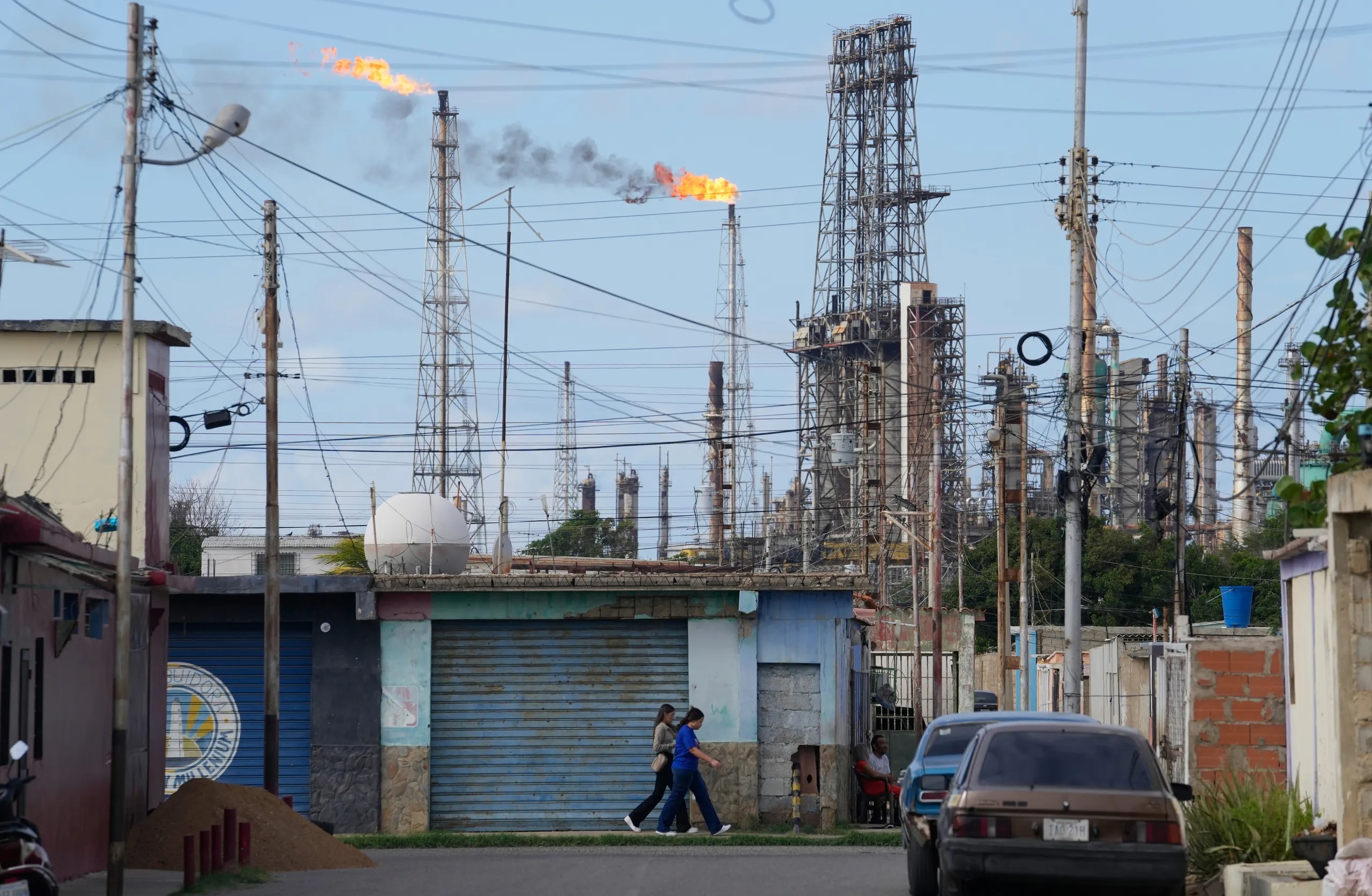
Energy experts also caution that any benefits may take years to appear. Venezuela possesses some of the world’s largest oil reserves, but much of its infrastructure has suffered from years of underinvestment and operational problems. Restoring production capacity could require billions of dollars and extensive modernization efforts.
Another uncertainty involves private sector participation. Large energy companies have not fully outlined their plans regarding the project. Industry observers say investor confidence will depend on political stability, contract protections, and the condition of existing facilities. Some firms have remained cautious because of the risks associated with operating in Venezuela.
The agreement has also triggered political debate. Supporters view it as a strategic move that could expand energy supplies and encourage economic growth in both countries. Critics, however, question the transparency of the deal and argue that more information should be made public before major development begins. Concerns have also been raised about long-term legal and political challenges that could affect future operations.
Questions remain about whether the project will reduce fuel prices for American consumers. Trump has suggested that increased production could eventually help lower energy costs. However, analysts note that infrastructure repairs, investment timelines, and global market conditions may delay any direct impact on prices.
The US Venezuela Oil Agreement represents a major shift in energy relations between Washington and Caracas. It also reflects the growing importance of energy security in global economic policy. While leaders in both countries have described the project as historic, the ultimate success of the agreement will depend on investment, execution, and the release of clearer details in the months ahead. For now, the scale of the opportunity is clear, but many of the most important questions have yet to be answered.
