


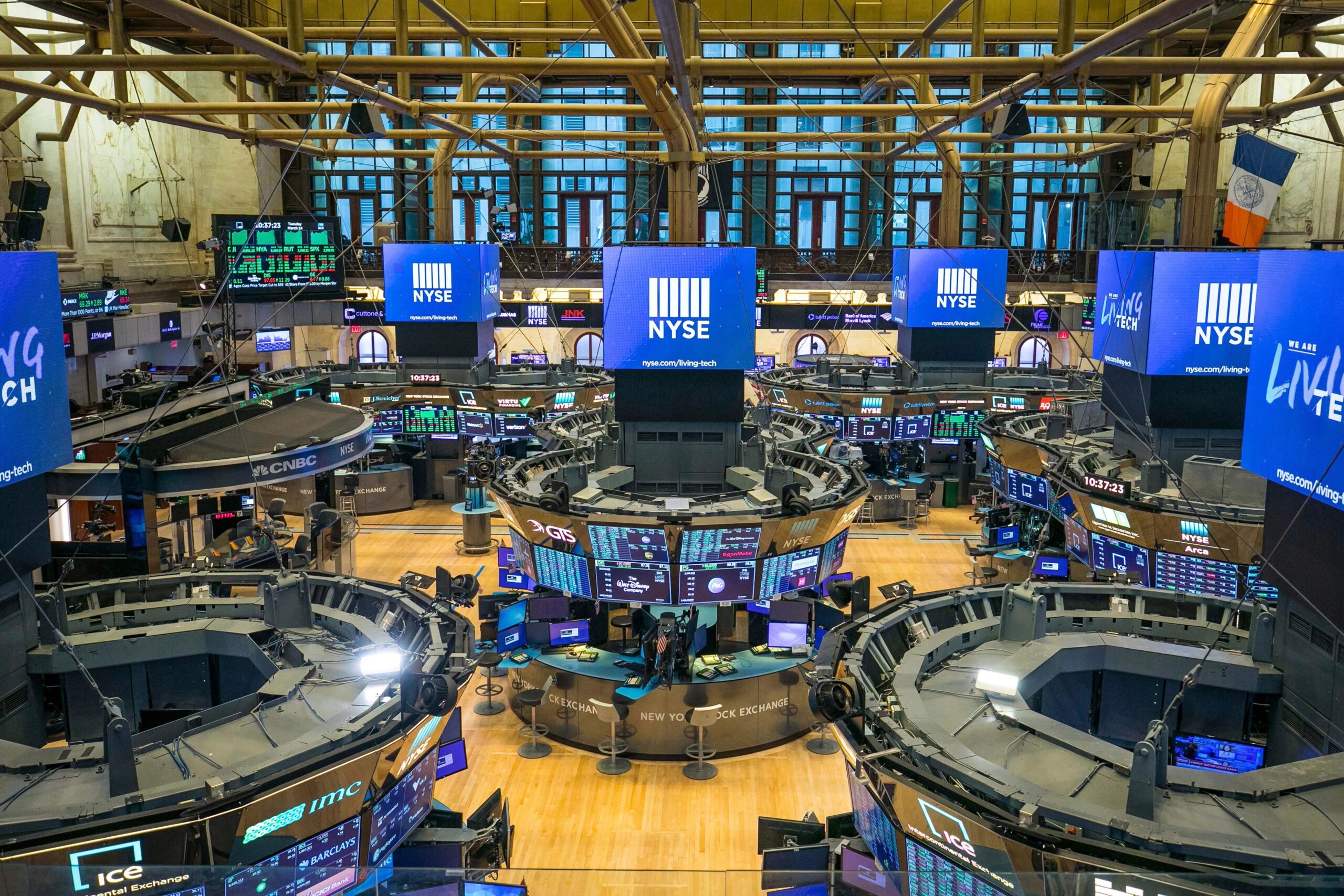
US stock futures moved higher on Wednesday night as investors reacted to a strong rally on Wall Street. Lower oil prices and the results of the 2026 midterm elections helped lift market confidence.
Dow Jones Industrial Average futures added 90 points, or 0.2%. Futures tied to the S&P 500 gained 0.1%. Nasdaq-100 futures showed little change during the same period.
The gains followed a strong day for US stocks. The Dow rose more than 1,500 points, marking a 3% increase. It was the index’s best daily performance since April 2025. The S&P 500 also climbed 1.6%.
A steep drop in oil prices helped support the market. West Texas Intermediate crude futures fell more than 8% to settle at $88.12 per barrel. The decline eased concerns about rising energy costs and their impact on the wider economy.
The move came as investors followed developments in the Iran war. Vice President JD Vance blamed the conflict for Republican losses in Tuesday’s midterm elections. The war has remained a major source of concern for energy markets and global trade.
The election results also shaped investor decisions. Democrats won control of both the House of Representatives and the Senate. They also secured several governorships, giving the party a strong position ahead of the next congressional session.
Investors adjusted their portfolios as the results became clearer. Some consumer-focused companies gained ground during Wednesday’s session. Walmart shares rose more than 3%, helping support the wider market.
Technology and artificial intelligence stocks had a more mixed performance. Companies linked to the expansion of data centers faced pressure as investors considered the risk of stronger political opposition to new projects.
CoreWeave was among the companies affected by these concerns. The debate over data center construction has grown in several states due to questions about electricity use, local resources and the impact on communities.
Texas was one example of this changing political climate. Democrat Gina Hinojosa won the state’s governor race after supporting tighter rules for data center development. Her victory added to questions about how future state policies could affect the industry.
Jordan Watson, a portfolio manager at Tandem Investment Advisors, said the market rally and shift away from some artificial intelligence stocks might prove temporary.
He warned that investors could see more volatility as they study the election outcome and its possible effect on government policy. Watson also questioned whether the large amounts of money flowing into AI infrastructure would produce the returns that investors expect.
After the regular market closed, company earnings created further movement in individual stocks. Qualcomm reported results that beat analyst estimates, but its shares dropped 6.5% in after-hours trading.
AppLovin moved in the opposite direction. Shares in the AI-powered advertising company surged almost 24%. The company reported stronger-than-expected results and issued guidance that exceeded market forecasts.
Asian markets delivered mixed results on Thursday. Japan’s Nikkei 225 rose 0.49%, while the broader Topix index gained more than 2%.
South Korea’s Kospi fell 2.33%. The technology-focused Kosdaq also declined by 1.24%. Australia’s S&P/ASX 200 advanced 1.39%.
Investors are now looking toward fresh US economic data. Weekly jobless claims figures are due on Thursday. The report could offer more insight into the health of the labor market.
The October nonfarm payrolls report is scheduled for Friday. Investors will watch the figures for signs of changes in hiring and employment conditions.
Several major companies are also set to publish earnings on Thursday. Tapestry, Kimberly-Clark and ConocoPhillips are expected to report before the market opens. Airbnb and Akamai are due to release their results later in the day.
Despite Wednesday’s gains, uncertainty remains. Investors must weigh lower energy prices against political changes, company earnings and concerns about high spending on artificial intelligence.
The next few trading sessions may show whether the latest rally can continue or whether markets will face another period of sharp price swings.
