


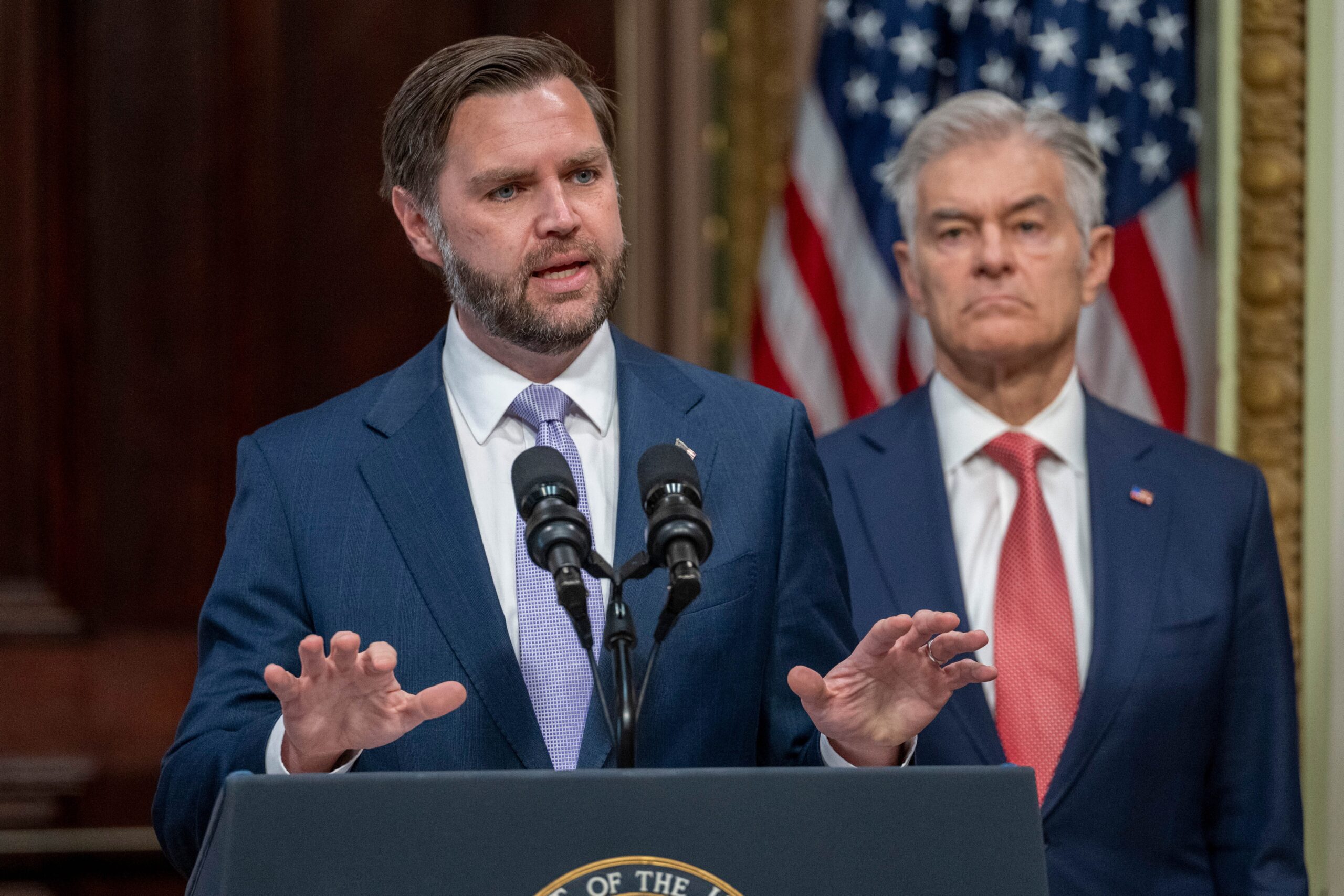
President Donald Trump and Vice President JD Vance are offering different messages about the US economy as the country moves towards the November midterm elections. Trump has described the current period as a golden age, while Vance has acknowledged that many people remain frustrated by high prices. Their different tones show how the cost of living has become a major political issue.
Trump has pushed back against complaints about affordability. He has argued that his policies are improving the country and has at times dismissed concerns about prices. Vance has taken a softer approach, saying that some Americans are unhappy with the pace of progress and that the administration is working to address their concerns.
The difference matters because voters often judge an economy by what they pay each week, not only by broad national figures. The cost of fuel, food, housing and other basic needs can shape how people feel about their financial security. Even if some parts of the economy improve, families may still feel pressure when bills rise faster than their income.
The report said consumer confidence had fallen to its lowest point in about a decade. Mortgage rates were also at a three-year high, while unemployment had ticked up. These pressures create a challenge for the administration as it tries to persuade voters that its policies are working. They also give the opposition a clear way to question the government’s record.
Trump’s message focuses on the idea that his leadership has put the country on a stronger path. He has argued that the benefits of his policies will become clear and has rejected claims that affordability problems show a failure. This approach may appeal to supporters who trust his plans, but it risks sounding out of touch to people who are struggling with daily costs.
Vance has tried to show that the administration understands those concerns. He has said that gas prices remain too high and that work is under way to improve the situation. His tone recognises that economic recovery can take time and that many households may not yet feel the gains the government says it has achieved.
The two messages also reflect a political challenge for Republicans. The party wants to keep control of Congress in the midterms, and voters’ views on the economy could shape the result. If people believe their living costs are too high, they may punish the party in power. If they believe the administration is making progress, they may be more willing to support its candidates.
Young voters and people facing high housing costs may be especially sensitive to the debate. A high mortgage rate can make buying a home harder, while higher fuel costs can affect workers who must drive. For families with limited savings, even a small rise in basic costs can force them to delay other spending or rely more on credit.
The wider economy is complex, and no single message can explain every household’s experience. Inflation, wages, jobs, borrowing costs and energy prices all shape the picture. Government policies can influence some of these factors, but they do not control every change in the market. Voters often judge leaders on whether they believe the government has made life more secure.
The different approaches from Trump and Vance show that the administration is trying to speak to both confidence and concern. One message highlights achievements and national strength. The other accepts that people are still waiting for relief. The challenge is to turn promises into changes that families can see in their own budgets.
As election day approaches, economic claims will face close scrutiny. Voters will consider whether their wages can cover their bills, whether jobs feel secure and whether borrowing costs allow them to plan for the future. The debate between Trump and Vance shows that even within one administration, there is a need to balance a positive story with the daily pressures many Americans face.
