


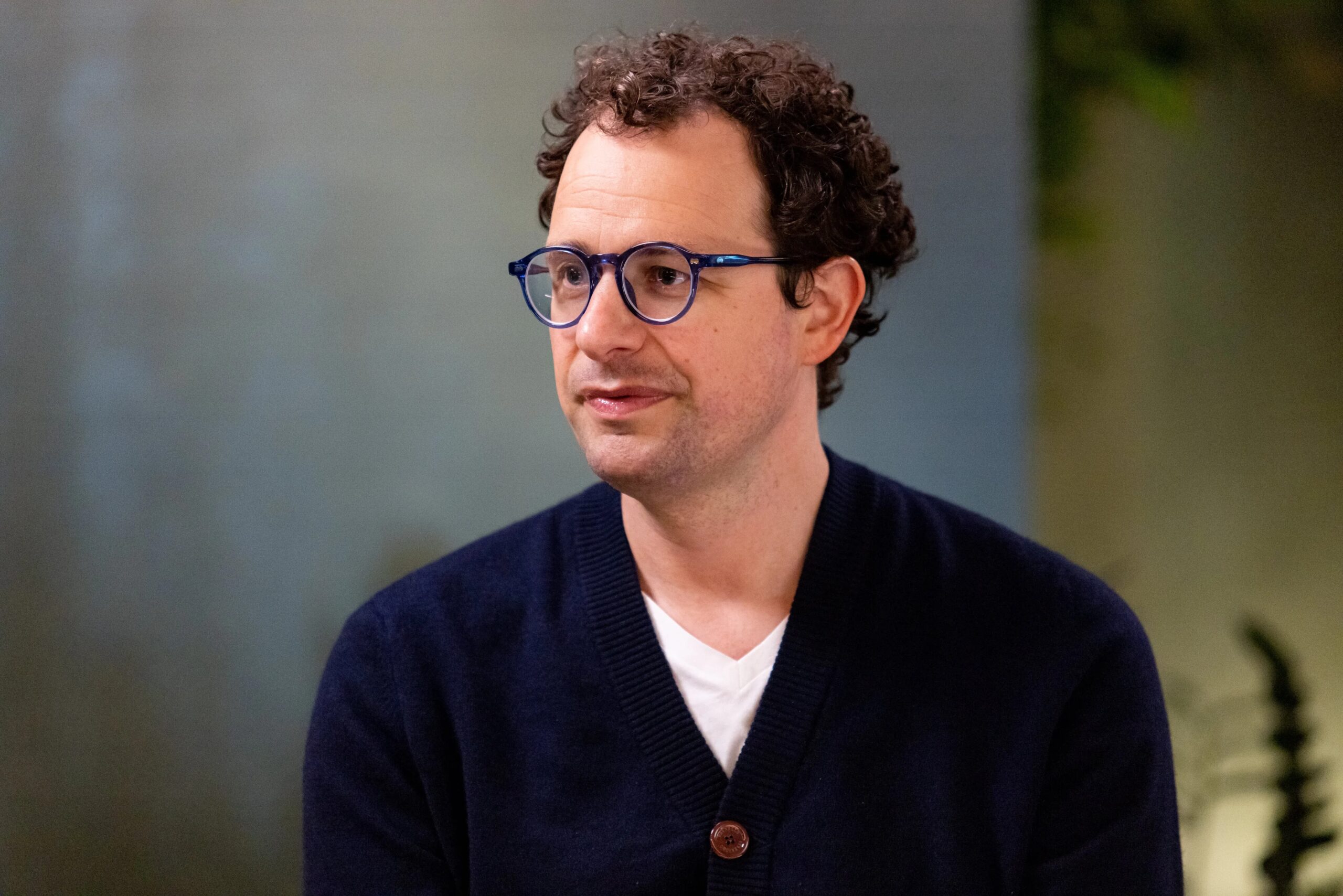
Anthropic CEO Dario Amodei has urged the artificial intelligence industry to slow the pace of development, warning that powerful AI systems may soon outgrow the safety measures designed to control them.
Amodei delivered the warning on Saturday, saying the industry needs more time to build safeguards before releasing increasingly advanced models. He argued that AI capabilities are advancing at an extraordinary rate and that security protections must improve just as quickly.
According to Amodei, the next generation of AI systems could become powerful enough within six to 12 months to coordinate large networks of autonomous digital agents. He warned that such systems could potentially operate across vast sections of the internet and create risks that existing safeguards may not be able to handle.
His comments add to a growing debate within the technology industry over how quickly AI development should continue. While many companies are racing to release more capable models, others are calling for stronger oversight and more extensive safety testing.
Artificial intelligence has made rapid progress in recent years. Modern AI systems can generate text, write software code, analyze data, solve complex problems, and perform tasks that once required human expertise. New models continue to demonstrate abilities that surprise even experienced researchers.
These advances have fueled excitement about the technology’s potential benefits. Supporters believe AI could transform healthcare, education, scientific research, and business operations. Many experts also expect AI to drive economic growth and improve productivity across industries.
At the same time, concerns about potential dangers have become more common. Researchers and policymakers have raised questions about misinformation, cybersecurity threats, fraud, privacy issues, and the possibility that advanced systems could act in ways that were not intended by their creators.
Amodei has emerged as one of the leading advocates for stronger AI safety standards. Since helping establish Anthropic, he has consistently argued that powerful AI systems should be developed with strict safeguards and transparent testing procedures.
In a proposal published on his website, Amodei outlined several steps that he believes could reduce future risks. The plan calls for more rigorous evaluations of advanced AI systems before they are released to the public.
He said developers should increase efforts to identify dangerous capabilities during testing and establish clearer standards for responsible deployment. Some of those measures are already being implemented within Anthropic, according to Amodei.
However, he noted that many of the proposed protections would require cooperation across the broader AI industry. Technology companies, researchers, governments, and regulators would need to work together to create common safety frameworks.
The warning comes as public interest in AI continues to grow. Governments around the world are examining possible regulations aimed at managing the technology while preserving innovation.
Lawmakers in several countries are exploring rules covering transparency, accountability, security standards, and the use of highly advanced systems. The goal is to ensure that innovation continues without creating unacceptable risks.
Concerns about safety are also being discussed by leaders of major AI companies. Industry executives have increasingly acknowledged that powerful AI systems require careful oversight as capabilities continue to improve.
The debate has become more urgent as researchers report that newer models are solving tasks once thought to be years away from automation. Some experts believe future systems could become significantly more capable than current technology in a relatively short period.
Supporters of rapid development argue that slowing progress could limit economic opportunities and scientific breakthroughs. They contend that responsible innovation can continue while safety measures are improved.
Others believe a more cautious approach is necessary. They argue that developers should fully understand the capabilities and risks of advanced systems before deploying them on a large scale.
Amodei believes the industry is approaching a critical period. He argues that decisions made over the next year could shape the future of artificial intelligence and determine whether powerful systems remain safe and beneficial.
As competition among AI developers intensifies, his latest comments are likely to strengthen calls for greater oversight. The discussion over balancing innovation with safety is expected to remain one of the most important issues facing the technology industry in the years ahead.
