


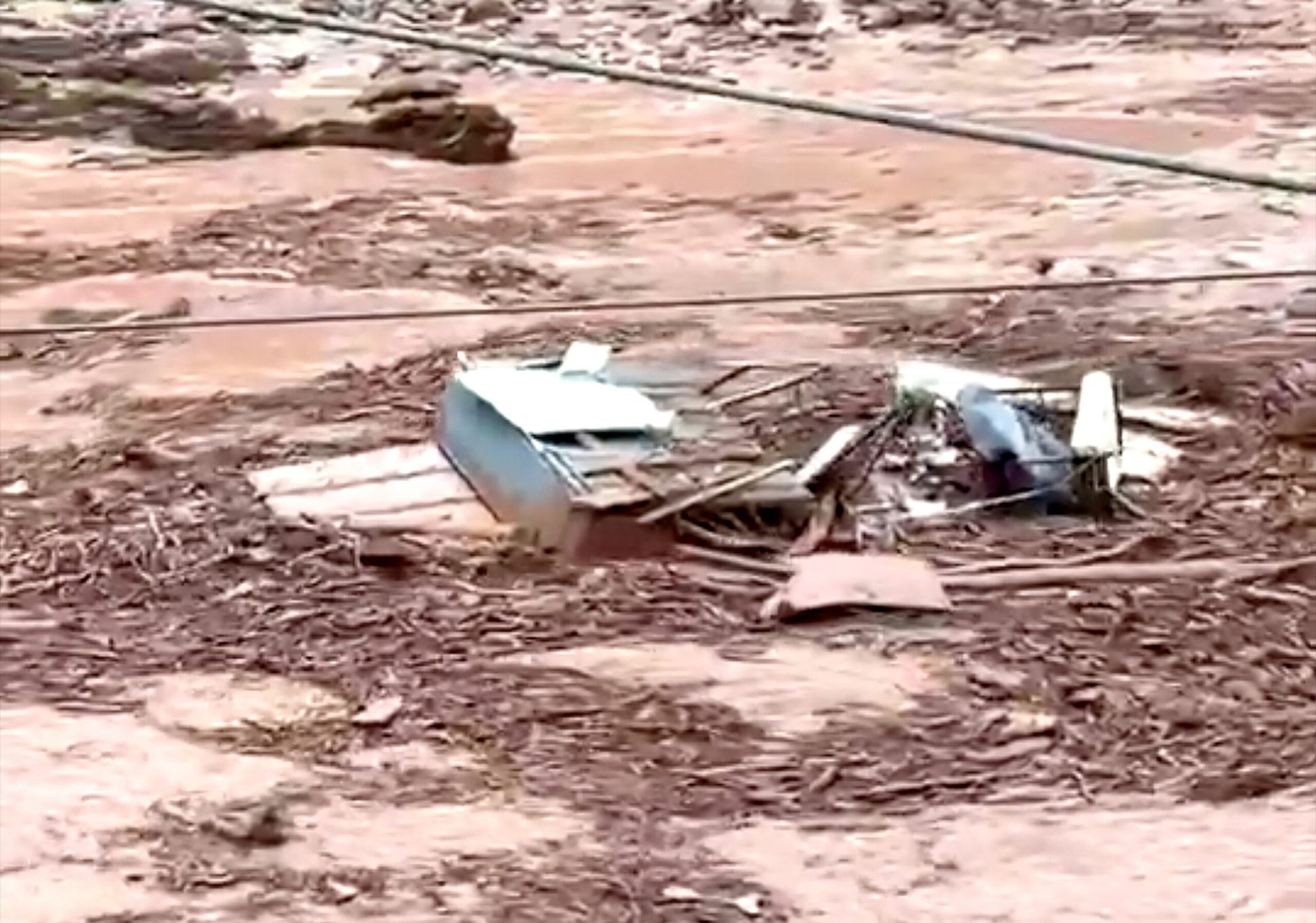
The Grand Canyon Flood Search continued on Monday after a deadly weekend storm claimed two lives and left one person missing in Arizona. Rescue teams have made major progress since the flooding began, reducing the number of missing people from about 30 to just one.
The flash flood struck Grand Canyon National Park on Saturday after heavy rain moved through Bright Angel Canyon. Large amounts of water rushed down the canyon and spread across the canyon floor. The sudden flood created dangerous conditions for visitors, workers, and hikers in the area.
One of the hardest-hit locations was Phantom Ranch. The site is the only lodging facility below the rim of the Grand Canyon and is a popular stop for hikers traveling through the canyon. Floodwaters moved through the area after intense rainfall, causing disruption and forcing emergency crews to respond.
Officials confirmed that at least two people died during the flood event. One of the victims was a chiropractor from Texas. Authorities have not released many details about the second victim as they continue to work with relatives and complete official procedures.
Rescue teams launched a large search effort soon after reports of missing people began to emerge. During the height of the emergency, around 30 people were listed as missing or unaccounted for. Through search operations and communication efforts, nearly all of those individuals have now been located.
Only one person remains missing. Search crews continue to examine affected areas and waterways where floodwaters moved with great force. Officials said the operation remains active and teams will continue their efforts until the missing individual is found.
The flooding developed after powerful storms brought heavy rainfall to the region. Water collected quickly in Bright Angel Canyon and surged through narrow channels. The steep walls of the canyon can cause rainwater to move rapidly, creating flash floods with little warning.
Park officials said such events can become dangerous within minutes. Even when rainfall occurs miles away, water can quickly travel through canyon systems and reach areas where visitors may not be aware of the threat. This makes flash flooding one of the most serious weather hazards in the Grand Canyon.
Despite the deadly flooding, Grand Canyon National Park reopened to visitors on Monday. Officials said the park remains accessible, although some locations may be temporarily closed while safety checks and cleanup operations continue. Authorities are inspecting trails, facilities, and infrastructure that may have been affected by the storm.
Weather conditions remain unstable across parts of northern Arizona. Forecasters said additional showers and thunderstorms are possible throughout the day. Because of the continued risk of heavy rain, a flood watch remains in effect through the evening.
Park officials are urging visitors to remain cautious. Rangers advised travelers to avoid low-lying areas, stream beds, and narrow canyon sections where water levels can rise rapidly. Visitors are also being encouraged to check weather forecasts before beginning hikes or outdoor activities.
Emergency workers and park staff continue to assess the full impact of the flooding. Crews are clearing debris, checking damaged areas, and working to restore normal operations where conditions allow. Officials said public safety remains the top priority as recovery efforts move forward.
The Grand Canyon attracts millions of visitors each year and is known for its dramatic landscape and outdoor adventures. However, the same terrain that makes the park famous can also increase the danger during severe weather. Narrow canyons and steep slopes can turn heavy rainfall into fast-moving floodwaters in a short time.
As the Grand Canyon Flood Search enters another day, rescue teams remain focused on locating the last missing person. Authorities are also watching weather conditions closely as more storms may develop. Officials continue to ask visitors to follow safety guidance and remain alert while traveling through the park during this period of heightened flood risk.
