


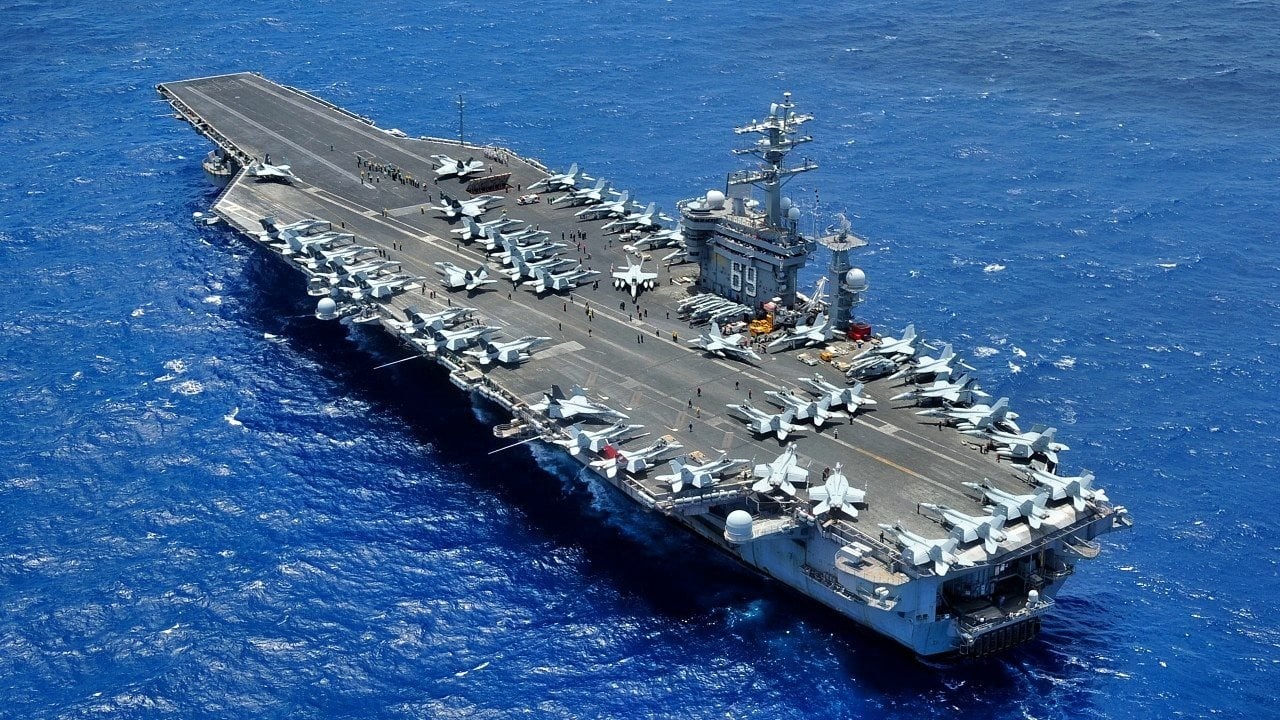
The mental health of U.S. Navy sailors has come under renewed scrutiny after officials revealed that eight members of the USS Abraham Lincoln carrier strike group attempted suicide during a deployment marked by extended combat operations and months at sea.
The figure was disclosed in a letter from Acting Navy Secretary Hung Cao to Sen. Kirsten Gillibrand. The letter stated that the eight suicide attempts occurred across the strike group, which includes the aircraft carrier, escorting warships, aviation units, and command staff assigned to the mission.
While no sailor died by suicide during the deployment, the number of attempts has raised concerns about the pressures faced by military personnel serving in demanding operational environments.
The USS Abraham Lincoln carrier strike group spent more than six months deployed, with thousands of sailors participating in missions linked to military operations in the Middle East. During that period, the strike group conducted a high tempo of activities while spending extended time away from port.
According to Navy officials, between 6,000 and 7,000 sailors served as part of the deployment. The carrier and its accompanying vessels remained heavily engaged throughout much of the mission, limiting opportunities for rest and recreation.
Military experts note that long deployments can place significant stress on service members. Extended periods away from family, demanding work schedules, and uncertainty about deployment timelines can affect morale and emotional well-being.
One military official described the reported number of suicide attempts as unusually high compared with recent carrier strike group deployments. The official noted that many deployments have recorded fewer such incidents over a similar period.
The disclosure has sparked discussion about the challenges sailors faced while operating under sustained combat conditions. The Abraham Lincoln strike group spent months supporting missions in a region marked by heightened tensions and military activity.
Several reports during the deployment highlighted concerns about crew morale. Sailors described uncertainty surrounding return schedules and the emotional strain that came with a prolonged mission.
One crew member said many sailors paid close attention to daily updates from leadership regarding plans for returning home. The sailor described a sense of anxiety among personnel eager to reunite with family members after spending months at sea.
Crew members also reported challenges involving shipboard living conditions. Some sailors said certain facilities, including toilets and water fountains, were periodically unavailable. Others reported that hot water was sometimes limited. Although such issues can occur on naval vessels, sailors indicated that the length of the deployment increased frustration.
The Navy has emphasized that mental health resources were available throughout the mission. According to Cao’s letter, the strike group carried a team of support professionals that included chaplains, behavioral health specialists, a psychologist, a clinical social worker, and a prevention counselor.
Officials also provided details about several incidents involving sailors who went overboard or attempted to do so. In one case, a sailor assigned to the carrier air wing entered the water but was quickly recovered and treated by medical personnel.
Another sailor attempted to go overboard earlier in the deployment but was stopped by fellow crew members before entering the sea. The individual received immediate medical attention and later returned home.
The Navy has previously stated that it has not identified a direct connection between deployment length and self-harm incidents. Officials have also said that overboard events are not unique to the Abraham Lincoln strike group.
Nevertheless, the newly disclosed figures have prompted renewed attention on the mental health needs of service members. Lawmakers and military advocates continue to stress the importance of providing effective support systems for personnel serving in high-pressure environments.
Sen. Gillibrand argued that the experiences of sailors and their families deserve serious attention. She called for greater focus on the well-being of military personnel who spend long periods supporting demanding missions around the world.
The USS Abraham Lincoln left the Middle East in August and is expected to return to its home port in San Diego soon. As the deployment comes to an end, the discussion surrounding sailor welfare, morale, and mental health is likely to remain an important issue for Navy leaders and policymakers.
