


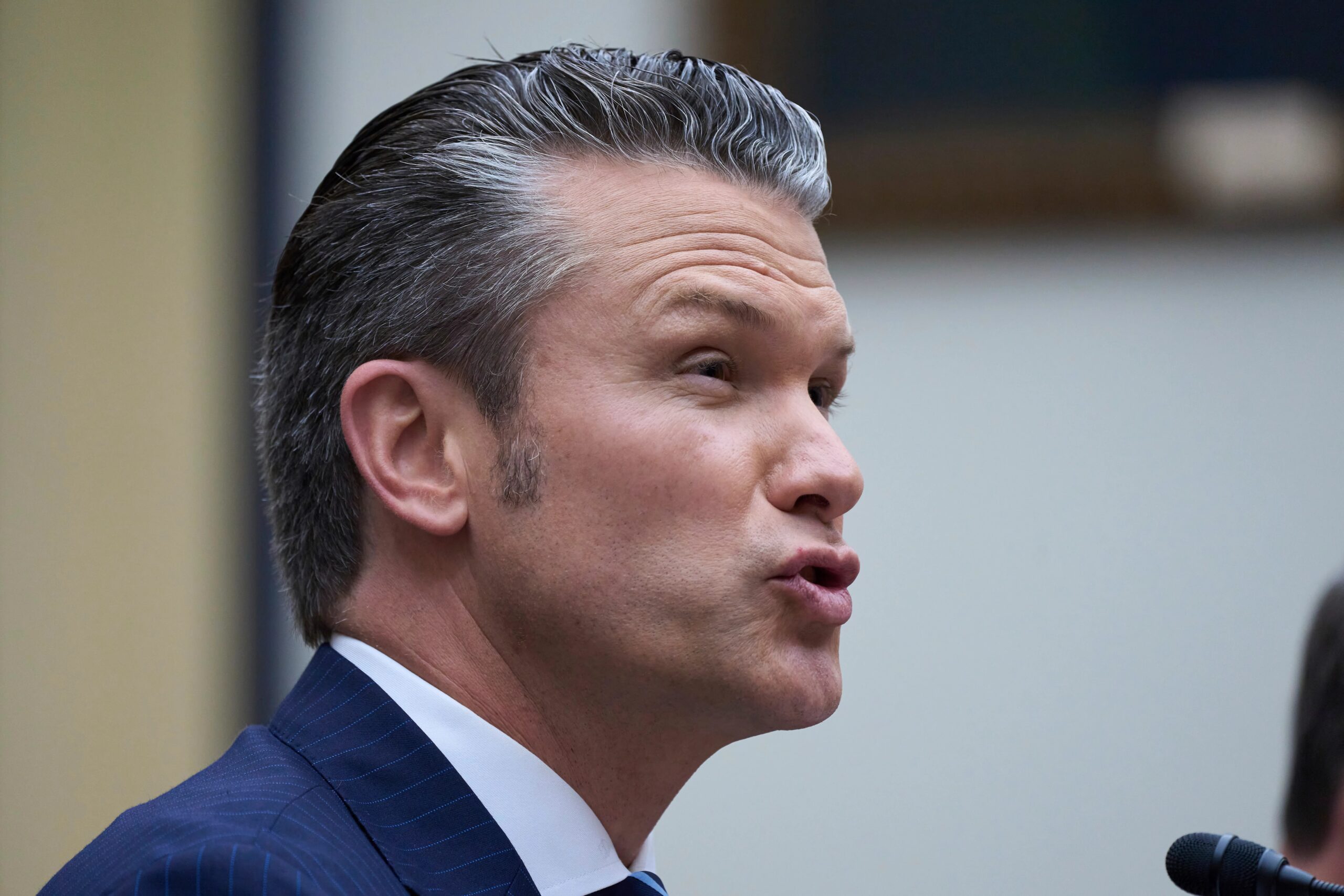
US Defense Secretary Pete Hegseth has outlined a new set of reforms that could bring major changes to the armed forces. The plans include reducing the number of top military officers, launching a future warfare study, and creating new partnerships with universities.
Hegseth shared the details during a speech at Marine Corps Base Quantico in Virginia. He said the military should remain focused on readiness, training, discipline, accountability, and mission success.
One of the biggest announcements was a plan to cut the number of generals and admirals by 20%. Hegseth said the goal is to create a more efficient leadership structure and strengthen decision-making across the military.
The defense secretary said the Pentagon is working to ensure that military resources are directed toward operational needs. He argued that a strong military depends on clear leadership, high standards, and a focus on combat readiness.
Hegseth also defended recent policy changes introduced under President Donald Trump’s administration. He said the Defense Department has shifted away from diversity-related initiatives and returned its attention to military performance and preparedness.
According to Hegseth, the armed forces should concentrate on training and mission execution. He said those priorities are essential for maintaining a capable and effective military force.
The defense secretary also responded to reports that questioned troop morale. He rejected suggestions that morale is low and said retention levels remain strong across the services.
As an example, Hegseth highlighted the USS Abraham Lincoln. The aircraft carrier recently completed a deployment that lasted almost nine months. He said around 80% of personnel assigned to the vessel chose to remain in service.
The carrier became the subject of public discussion after reports raised concerns about mental health challenges and supply issues during the deployment. The mission lasted 286 days at sea before the crew left the ship in Thailand on September 1.
The deployment had originally been scheduled to end in May. However, it was extended due to military operations connected to the conflict involving Iran. The longer mission increased the demands placed on sailors and support personnel.
During his address, Hegseth also criticized media reports about military conditions. He argued that some coverage did not accurately reflect the experiences of service members. He said troops continue to serve with commitment and professionalism despite difficult assignments.
Another major part of the speech focused on future military planning. Hegseth announced a Pentagon project that will study how warfare may change in the years ahead.
The initiative will include several high-profile participants. Elon Musk will join the effort alongside technology entrepreneur Palmer Luckey and former House Speaker Newt Gingrich. The group will work with defense officials to examine new technologies and emerging security challenges.
The study is expected to explore areas such as advanced defense systems, artificial intelligence, and changing battlefield tactics. Pentagon leaders hope the project will help prepare the military for future threats.
Luckey is the founder of Anduril Industries, a defense technology company known for developing security and military systems. The company has expanded its role in the defense sector through a series of government contracts.
Hegseth also announced changes related to military education. He said the Pentagon plans to build stronger relationships with a wider range of colleges and universities.
Institutions mentioned during the speech included Liberty University, Hillsdale College, Louisiana State University, Mississippi University, and Tuskegee University. Hegseth said these schools could help support the development of future officers and defense professionals.
The reforms represent another step in the administration’s effort to reshape Pentagon priorities. The proposed officer reductions, new warfare study, and expanded education partnerships all point to a broader shift in defense policy.
Supporters say the measures could improve efficiency and strengthen readiness. Critics continue to debate the direction of the changes. As the plans move ahead, military leaders, lawmakers, and service members will be watching closely to see how the reforms affect the future of the armed forces.
