


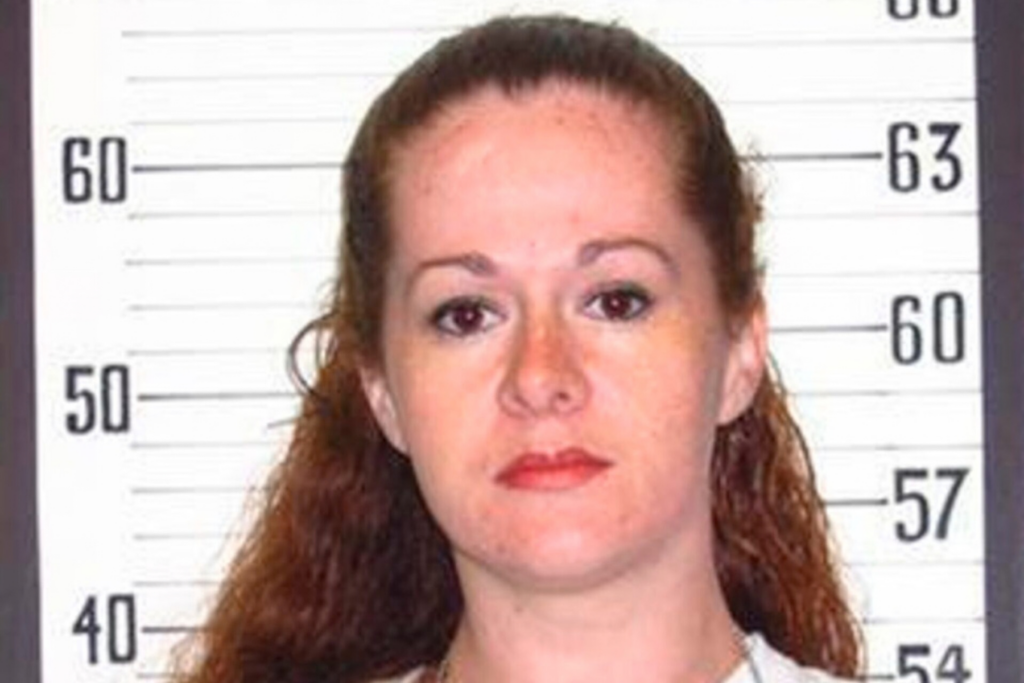
The case of Tennessee death row inmate Christa Pike has taken another unexpected turn after her lawyers said she is now conscious and speaking in hospital following a failed execution attempt.
Pike, 50, survived a lethal injection procedure last week and has been receiving critical medical care since then. Her attorneys said she spent several days unconscious before showing signs of recovery.
The development has sparked renewed debate about execution procedures and raised questions that state officials have yet to answer.
According to her legal team, Pike remains under close medical supervision. Doctors continue to monitor her condition while she recovers from the effects of the drugs used during the execution attempt.
Her lawyers described her progress as remarkable. They said the recovery is medically unusual and warned that the full impact on her health may not be known for some time.
Pike was scheduled to be executed using pentobarbital, a drug commonly used in lethal injection protocols. Officials carried out the procedure, but the execution failed.
She was later rushed to a hospital, where medical staff worked to stabilize her condition. Over the following days, doctors treated her while her body recovered from the effects of the drug.
Now awake and able to communicate, Pike has become the focus of a case that many legal experts describe as unprecedented.
Researchers who study capital punishment say there have been previous incidents where executions did not move forward as planned. In most of those cases, officials were unable to complete the procedure before any execution drugs entered the inmate’s body.
Pike’s case appears different because the drug was administered and the process was carried out. Experts say there is no widely recognized example of a prisoner surviving under similar circumstances and later regaining consciousness.
That distinction has made the case a major topic among legal scholars and medical professionals.
State officials have not released a detailed explanation of why the execution failed. Questions remain about the drug, the procedure and the events that followed after it was administered.
Authorities have also not announced whether they plan to seek another execution date. Any future decision is expected to face legal review and could become the subject of further court proceedings.
The case comes at a time when Tennessee is already reviewing its execution practices.
Governor Bill Lee has suspended executions for the remainder of the year as the state examines its procedures. The pause was ordered as part of a broader effort to evaluate how executions are conducted.
The issue gained even more attention after the head of the state prison system announced plans to resign. The combination of events has increased public interest in the management of the state’s death penalty system.
Pike was sentenced to death for the murder of 19-year-old Colleen Slemmer in 1995.
Court records show that Pike was 18 years old when the crime occurred. Prosecutors said Pike and her then-boyfriend, Tadaryl Shipp, attacked and killed Slemmer after meeting her at a job training program for troubled teens.
The crime shocked the community and led to a lengthy legal process that kept Pike on death row for decades.
Today, the focus has shifted from the original case to the failed execution and its consequences.
Pike’s attorneys are scheduled to appear in court in Nashville this week. They are expected to seek answers about the execution attempt and discuss her current medical condition.
The court hearing may provide more details about what happened during the procedure and what actions could follow.
For now, Pike remains hospitalized as doctors continue her treatment. Her recovery has surprised many observers and created new legal questions that remain unresolved.
The Christa Pike Failed Execution case is likely to remain under close scrutiny as officials, attorneys and experts work to understand how the execution failed and what the outcome
