


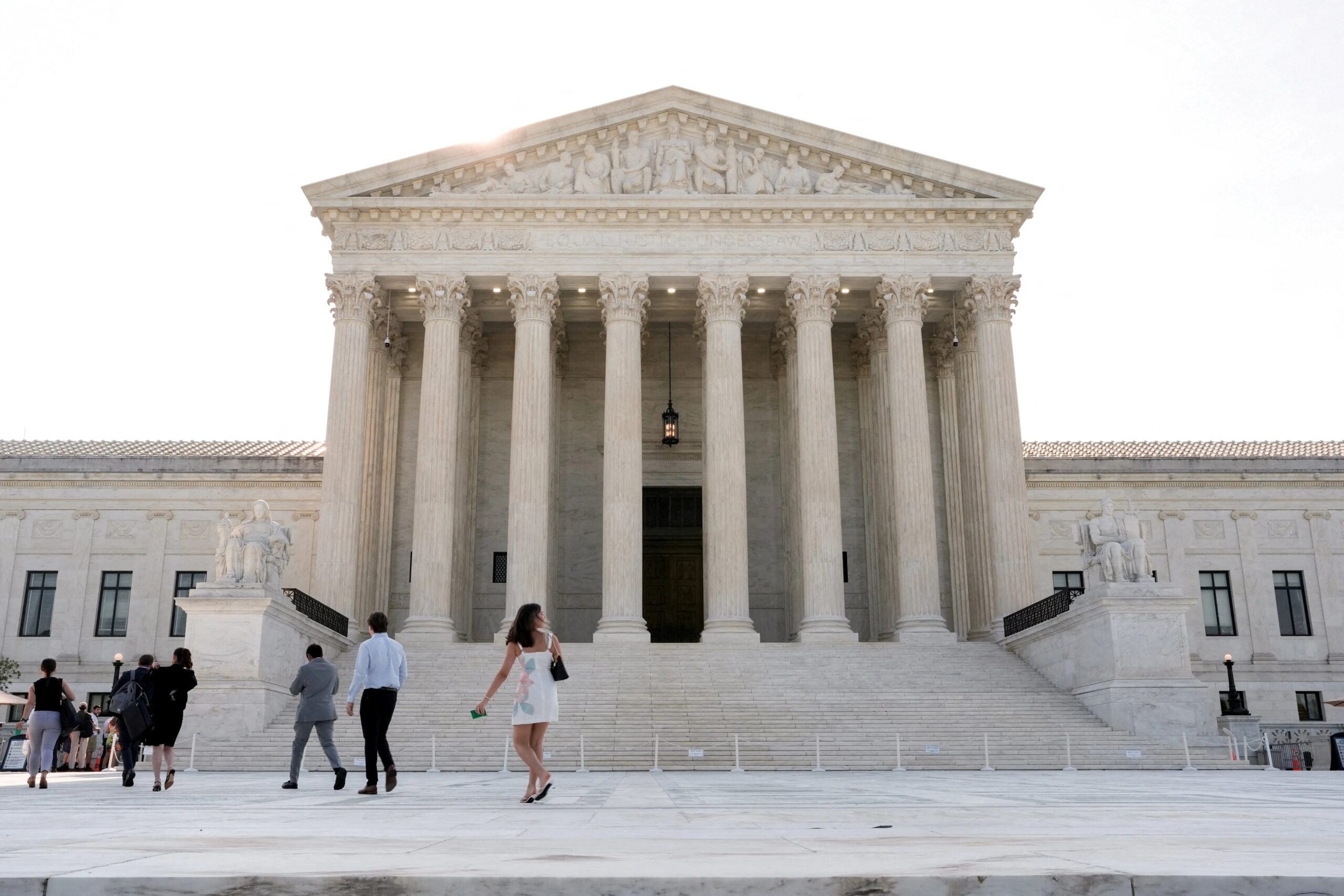
The Supreme Court began its new term with a closely watched case involving climate change and the energy industry. The dispute could have a major impact on lawsuits filed by cities and counties against oil companies across the United States.
The case centers on a lawsuit filed by Boulder, Colorado. Local officials say climate change has created growing costs for their community. They point to wildfire risks, extreme heat, drought, and other environmental challenges that require public spending.
Boulder brought legal claims against Exxon Mobil and Suncor Energy under state law. The city and county argue that the companies misled consumers for years about the climate effects linked to greenhouse gas emissions from their products.
The oil companies reject the allegations. They say climate change is a national and global issue that cannot be addressed through state court lawsuits. They also argue that allowing such cases to continue could expose energy companies to billions of dollars in damages.
The Supreme Court’s decision could reach far beyond Colorado. More than two dozen similar climate-related lawsuits have been filed in different parts of the country. Legal experts say the ruling may help determine whether those cases move forward or face new barriers.
The hearing took place before eight justices. Justice Samuel Alito did not participate in the case. His absence creates the possibility of a tie vote. If the court splits evenly, the Boulder lawsuit would continue, but the larger legal questions would remain unresolved.
Several justices asked challenging questions during the arguments. Their comments suggested that the court has not yet settled on a clear path.
Chief Justice John Roberts focused on the possible consequences of a ruling in Boulder’s favor. He questioned whether cities and counties across the nation would quickly file similar lawsuits if the case proceeds.
Roberts said local governments in many states could decide to launch their own legal actions against energy companies. He also questioned whether Boulder’s lawsuit is mainly about consumer protection or whether it is an indirect attempt to reduce greenhouse gas emissions.
At the same time, Roberts noted that state courts often hear cases involving companies based outside their borders. He pointed out that lawsuits over products that allegedly cause harm are common in the legal system.
Justice Elena Kagan compared the dispute to past lawsuits involving tobacco companies and opioid manufacturers. Those cases moved forward despite arguments that the issues were too broad or complex for courts to handle.
The oil companies argued that climate change cases are different. They said tobacco and opioid claims involved a more direct connection between products and alleged injuries. Climate change, they argued, results from many activities and many sources around the world.
Kagan also raised questions about the Clean Air Act. The federal law regulates air pollution and emissions throughout the country. She suggested that if the court sides with the oil companies, it could conclude that federal law blocks Boulder’s claims.
Such an approach would provide a narrower ruling. It would avoid broader constitutional questions while still resolving the case.
Justice Sonia Sotomayor highlighted another issue. She noted that Boulder is not seeking to set limits on emissions through the lawsuit. Instead, the case focuses on claims related to marketing and consumer information.
Sotomayor questioned whether the Clean Air Act applies to advertising or promotional statements about fuel products. Her comments suggested that some parts of Boulder’s lawsuit may fall outside the law’s direct scope.
Justice Brett Kavanaugh appeared to support the companies’ position more strongly. He cited earlier court decisions involving pollution disputes. According to Kavanaugh, those rulings indicate that air and water pollution matters are generally governed by federal law.
He said previous decisions provide clear guidance and reduce the need for new legal interpretations. His comments signaled concern about allowing state-based climate lawsuits to expand.
As the hearing continued, no clear majority view emerged. The justices appeared divided on how best to address the legal questions. Some focused on federal authority, while others examined the specific claims made by Boulder.
The case is unfolding during a wider debate over climate policy and environmental regulation. Questions about federal oversight of greenhouse gas emissions are also being challenged in separate legal disputes.
Boulder’s attorney argued that those ongoing debates add complexity to the case. He said it may be difficult to determine whether federal law blocks the lawsuit while larger questions about greenhouse gas regulation remain unsettled.
The oil companies climate lawsuit was the first case argued as the Supreme Court opened its new term. The court is also expected to hear major disputes involving immigration policies and firearm restrictions in the months ahead.
A decision is expected before the term ends. The ruling could shape climate litigation nationwide and influence how future claims against energy companies are handled in courts across the country.
